








































Understanding Multi-Layer Steel (MLS): Why Premium Gasket Seal Kits Are Essential for High-Compression Diesels
by Megawatts - Updated At 2026-09-03
Every diesel mechanic knows the dread. A blown head gasket on a high-compression diesel engine means catastrophic failure. Repair costs range from $3,000 for simple replacement to over $20,000 for a complete rebuild. Downtime compounds the loss.
Premium gasket seal kits featuring multi-layer steel (MLS) technology prevent this scenario. This post examines the engineering behind these parts. We explore why quality MLS designs outperform standard replacement parts. We analyze seal dynamics, material science, and proper installation.
Understanding these principles ensures engine performance and longevity. Whether you choose OEM or aftermarket components, knowledge drives smart maintenance decisions. This is an engineering deep-dive, not a basic tutorial. We explain the 'why' behind reliability, so your next overhaul delivers lasting reliability.
Why Standard Gaskets Fail in High-Compression Diesels
The Physics of 2,700 PSI Combustion Pressure
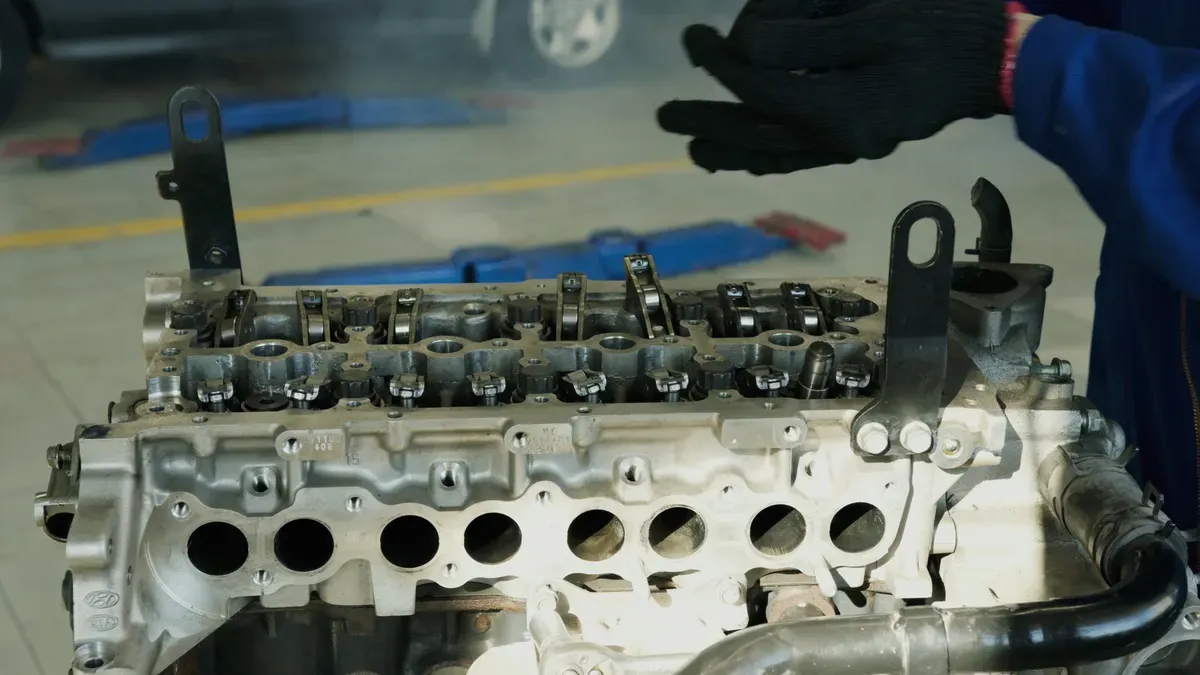
Modern turbocharged diesel engines generate peak cylinder pressures approaching 3,600 psi. Performance builds push beyond 8,000 psi. Compare this to naturally aspirated gasoline engines, which rarely exceed 1,000 psi. The disparity stems from compression ratios. Diesel engines operate between 14:1 and 25:1, while gasoline engines stay within 8:1 to 12:1. Higher compression directly elevates pressure before and during combustion.
Diesel combustion also sustains pressure longer. Fuel injection continues through a significant portion of the power stroke. This prolonged burn maintains elevated cylinder pressure far beyond the initial ignition spike. A standard gasket designed for gasoline applications simply cannot withstand this sustained assault.
Thermal cycling compounds the problem. A 15-liter heavy-duty engine cylinder head gasket may endure 10,000 thermal cycles annually. Each start, full-load operation, and shutdown expands and contracts the gasket at a different rate than the metal components it seals. This thermal expansion mismatch generates micro-cracks over thousands of cycles. SAE testing reveals creep relaxation rates increase exponentially above 400°C. Without proper material selection, failure often occurs within 200,000 kilometers.
The Limits of Composite and Graphite Materials
Traditional composite gaskets rely on elastomeric binders and graphite facings. These materials degrade under extreme conditions through several mechanisms:
- Elastomer degradation: Polymeric binders lose elasticity under extreme heat, reducing sealing performance and causing leaks or blow-outs.
- Compression set: The material permanently deforms after compression, losing recovery ability and creating leak paths under sustained pressure.
- Chemical attack: Elevated temperatures make engine fluids more reactive, causing swelling, shrinkage, or physical changes that compromise the seal.
- Extrusion: High pressure forces gasket material to deform or dislodge from its seating, resulting in system failure.
Graphite offers impressive temperature resistance—up to 3,000°C in non-oxidizing environments. However, oxidation begins at 450–500°C. Combustion chamber temperatures routinely approach this threshold. Thermal cycling fatigue then causes delamination within the gasket structure. Micro-cracks propagate until sealing function ceases entirely.
Experienced diesel technicians recognize these failure signatures. A blown head gasket on a high-compression diesel typically shows localized erosion between cylinders or coolant contamination. These failures demand immediate overhaul, creating costly downtime. Quality replacement parts must address these fundamental material limitations. Standard gaskets cannot deliver the reliability that modern diesel engines require. Only engineered solutions withstand the combined stresses of pressure, temperature, and thermal cycling.
The Engineering of MLS Gaskets
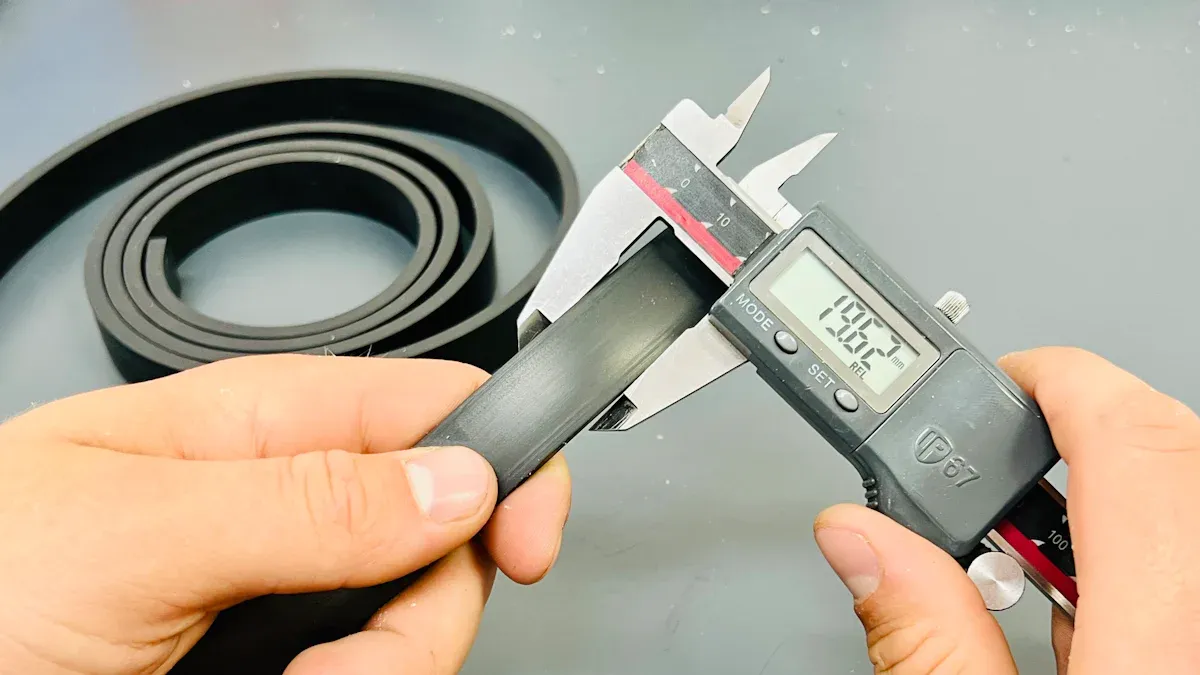
Multi-layer steel gaskets represent a fundamental shift in sealing technology. These parts use multiple layers of steel, typically three to seven, with outer layers made from stainless spring steel. The following table summarizes the key advantages for diesel applications.
|
Performance Criterion |
MLS Gasket Advantage |
Composite Gasket Limitation |
|
High Compression Resistance |
Designed for higher diesel compression; steel layers spread pressure evenly; sealing strength remains consistent |
Relies on material compression; sealing ability can be reduced under sustained high compression |
|
Thermal Expansion & Heat Cycling |
Steel layers allow controlled movement; maintains contact as engine parts expand; suited for wide temperature changes |
Softer material compresses and relaxes; sealing may be reduced with frequent heat cycles |
|
Long-Term Sealing Stability |
Holds shape longer under heavy load; chosen for longer service intervals |
May wear faster under high load; works best when engine conditions stay moderate |
|
Heavy-Duty & Turbocharged Use |
Structure holds up under continuous pressure and heat; manages pressure variation effectively in turbocharged engines |
Can struggle with extended high load; sealing ability can decline as pressure increases |
Spring Steel Layers and the Dynamic Seal
The spring steel outer layers create dynamic seals that accommodate thermal expansion. These layers flex and accommodate differential thermal expansion between the cylinder head and block. The gasket moves with the engine during temperature changes.
Because of different materials and the thermal expansion rates, a cylinder head gasket must move and adjust with the block/heads to maintain a seal. A MLS gasket kind of works like a spring.
This spring action is critical for diesel engines. Thermal cycling causes the cylinder head and block to expand at different rates. Rigid parts would lose contact and fail. The MLS gasket maintains consistent contact pressure through its spring steel layers. The design ensures reliability under extreme operating conditions.
The embossment pattern enhances this capability. Precision embossing creates raised areas around combustion openings. These areas apply extra sealing force where diesel pressure is highest.
Embossed areas around combustion openings apply extra sealing force where diesel pressure is highest.
The embossment also provides memory. As the engine heats and cools, the embossed areas compress and spring back.
The embossing in the MLS has memory, so when the head is moving up and down with heat cycles, the MLS gasket springs back and keeps the engine sealed.
This memory effect ensures seal integrity over thousands of thermal cycles. The spring steel layers continue to function as the engine accumulates operating hours. These parts contribute directly to engine longevity and reduced downtime. Proper maintenance of the diesel engine system supports this sealing performance.
The Role of Stopper Layers and Coatings
A stopper layer forms the core of the MLS gasket design. This thicker, embossed layer sits at the combustion opening. It creates a high-pressure seal that contains the extreme cylinder pressures generated during diesel combustion. The stopper layer is made from harder steel than the outer layers. This hardness prevents deformation under load.
The stopper layer works with the spring steel outer layers. The outer layers provide the dynamic seal. The stopper layer provides the static, high-pressure barrier. Together they form a complete sealing system. This combination of parts delivers the quality required for high-compression engine applications.
Coatings on the outer layers provide micro-sealing capability. Two common coatings serve this function:
- Viton coating: Provides micro-sealing by allowing the gasket to conform to microscopic surface irregularities, while resisting oil, coolant, and extreme temperatures
- Nitrile coating: Enhances micro-sealing through elastomeric flexibility, offering resistance to oil and coolant, ensuring a tight seal under varying thermal loads
These coatings enable the gasket to seal against surface imperfections. The seals created by these coatings help maintain diesel engine performance.
The outer layers of MLS gaskets are embossed and coated on both sides with Viton (a fluoroelastomer rubber-based material heat resistant to 482°F). This thin coating helps the gasket conform or 'cold seal' to any irregularities in the surfaces of the block and head, meeting the demands of harsh sealing environments, load conditions, and surface finishes.
Proper coating selection depends on the application. Viton offers superior heat resistance. Nitrile provides excellent oil resistance. Quality aftermarket replacement parts and OEM parts specify the appropriate coating for each engine design. These critical parts ensure consistent performance across different engine platforms.
The combination of spring steel layers, stopper layers, and elastomeric coatings makes MLS gaskets the preferred choice for high-compression diesel engines. This engineering approach ensures reliable sealing over extended service intervals. Proper installation and correct torque procedures maximize the gasket's performance for any diesel engine overhaul.
Deep Dive: Ready to tackle the installation? Ensure a leak-free result by following our step-by-step beginner-friendly guide on how to replace a generator gasket seal kit safely.
Choosing quality aftermarket parts and OEM parts for your next overhaul ensures long-term reliability.
MLS Gaskets and Torque-to-Yield (TTY) Bolts
Maintaining Clamp Load Under Extreme Expansion
Torque-to-yield (TTY) bolts complete the sealing equation for a high-compression diesel engine. These fasteners stretch past their elastic limit into controlled plastic deformation. The tightening process uses an initial torque to seat the bolt. A subsequent torque angle (e.g., +90° or +120°) passes the yield point. This angle method ensures consistent stretch regardless of friction differences from lubrication or thread condition. The result is uniform clamp load across all bolts. This uniformity maintains the MLS gasket seal under high cylinder pressures in a diesel engine.
The behavior of TTY bolts matters because diesel engines generate extreme thermal expansion. The cylinder head and block expand at different rates during operation. A standard bolt loses clamp load as these components move. The TTY bolt acts as a spring. It maintains a consistent clamp load as the engine heats and cools. This spring action keeps the MLS gasket compressed against the sealing surfaces. The gasket and bolts work together as a system. One part cannot perform optimally without the other. This relationship is critical for diesel engine reliability. Engineers design these parts as a matched set. Quality OEM parts and aftermarket parts both follow this principle.
Why Standard Fasteners Cannot Match This System
Standard bolts operate within their elastic range only. They return to their original length after removal. This approach creates a problem for diesel engines. Thermal cycling causes the bolt to lose clamp load over time. The bolt stretches during heat expansion. It does not fully recover during cooling. The clamp load decreases with each cycle. This reduction allows the MLS gasket to move. Movement causes fretting and eventual failure of the diesel engine.
Standard fasteners also suffer from friction variation. Lubrication differences, thread condition, and surface finish affect the final clamp load. Two bolts torqued to the same specification can deliver different clamping forces. TTY bolts eliminate this variation through the angle method. The angle rotation ensures consistent stretch regardless of friction. This consistency is critical for diesel engine sealing. Every bolt must deliver the same clamping force to maintain the gasket seal.
Both high-quality aftermarket and OEM specifications mandate TTY bolts for MLS gasket applications. Using standard bolts guarantees failure, as the MLS gasket relies on the consistent clamp load provided by TTY fasteners to maintain its dynamic seal. Therefore, any comprehensive diesel engine overhaul must include the replacement of both components as a matched set. This systems-based approach minimizes future downtime and ensures the rebuilt engine delivers optimal performance and long-term reliability.
What Defines a Premium Gasket Seal Kit?
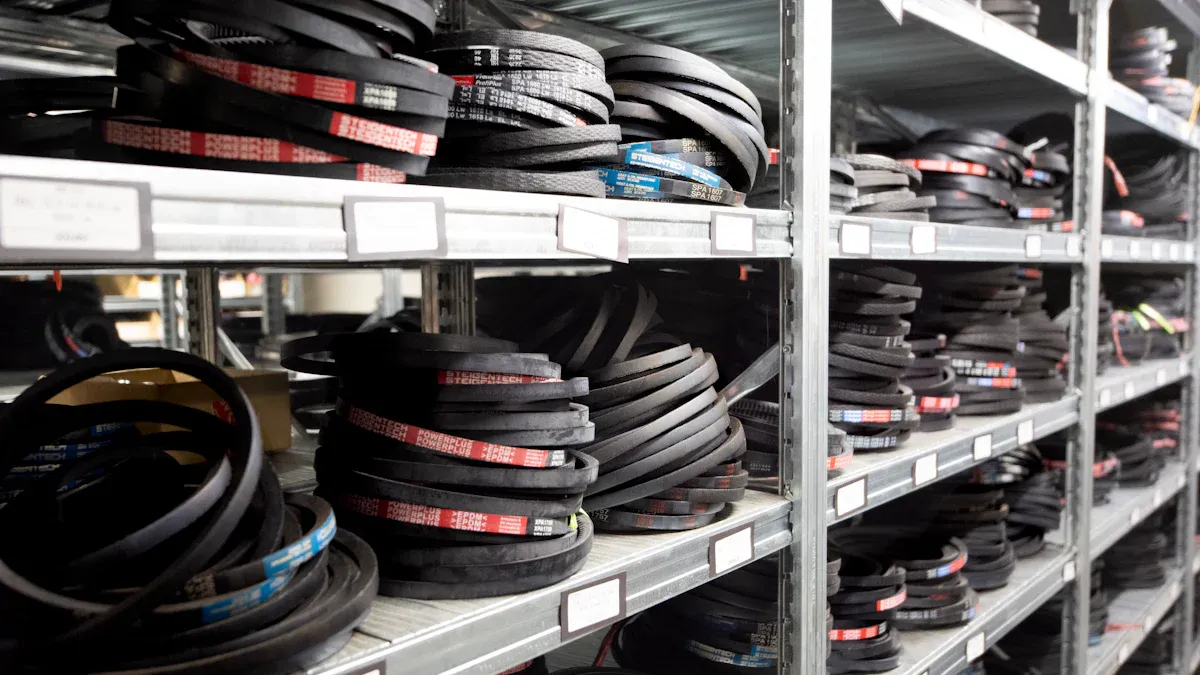
Material Specifications and Coatings
Premium gasket seal kits distinguish themselves through deliberate material choices. Economy options use nitrile (NBR) elastomers rated for continuous service at 120°C. Premium alternatives employ fluoroelastomer (FKM/Viton) coatings rated above 200°C. This temperature tolerance directly affects sealing longevity in high-compression diesel applications. Racing-grade coatings extend capability further for extreme thermal environments.
Layer count also separates quality tiers. Standard three-layer designs handle normal operating conditions. Four-layer configurations suit moderate boost levels between 15-25 PSI. Five-layer stacks manage high boost from 25-35 PSI. Six-layer racing versions support boost pressures exceeding 35 PSI. Each additional layer provides sealing redundancy and finer clamp load distribution. These specifications matter when selecting diesel engine replacement parts for demanding applications.
|
Specification Category |
Economy Option |
Premium Option |
|
Elastomer Type |
Nitrile (NBR) – rated for continuous use at 120°C |
Fluoroelastomer (FKM/Viton) – rated for continuous use at 200°C+; Racing coatings for extreme temperatures and specialty fuels |
|
Layer Count |
3-layer design (standard) |
4-layer (moderate boost 15-25 PSI), 5-layer (high boost 25-35 PSI), 6-layer (racing 35+ PSI) |
|
Performance Capability |
Standard sealing for normal engine conditions |
Increased sealing redundancy, finer clamp load distribution control, higher maximum safe combustion pressure |
The stopper layer material hardness further defines premium construction. Harder steel resists deformation under peak cylinder pressure. Softer alloys fatigue prematurely. Quality aftermarket suppliers specify exact steel grades for each engine platform. OEM parts follow identical material standards. This precision ensures consistent compression ratios after installation. Guaranteed compressed thickness specifications protect the engineered combustion volume.
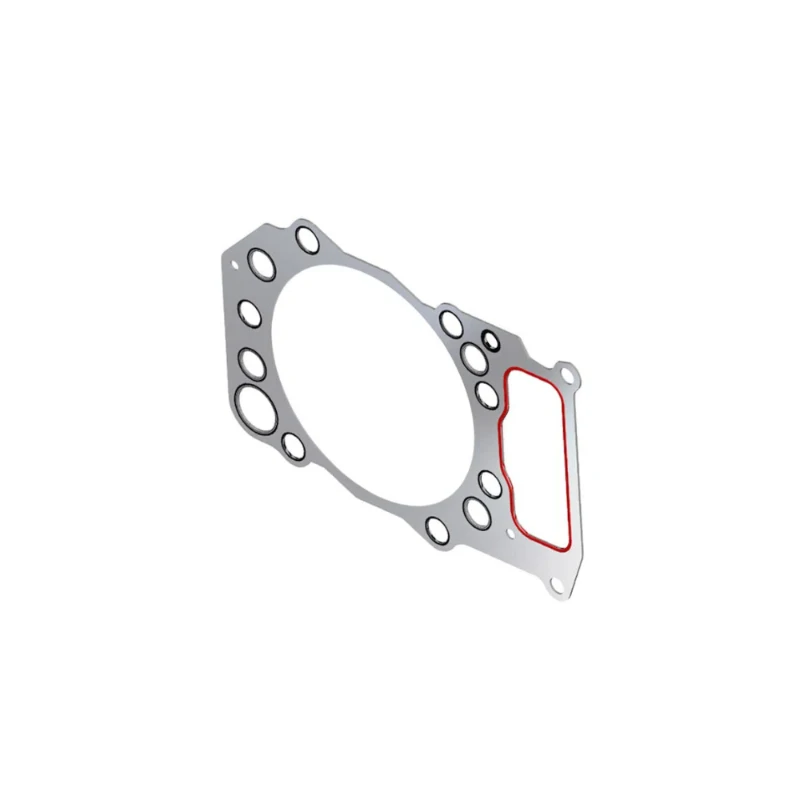
For instance, high-displacement industrial engines demand exact engineering to survive continuous thermal cycling. The Cummins QSK23 Cylinder Head Gasket (4095440) perfectly demonstrates this premium construction. Utilizing an advanced MLS design, it is explicitly engineered to accommodate massive thermal expansion and maintain a consistent clamp load under the extreme cylinder pressures unique to heavy-duty power generation."
Complete Sealing Solutions Beyond Diesel Engine Replacement Parts
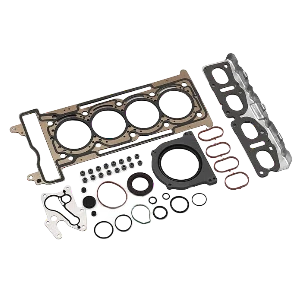
A head gasket alone cannot deliver overhaul reliability. Comprehensive diesel engine overhaul kits include every critical seal. This systems approach prevents the common failure mode of replacing one component while neighboring aged seals remain. Heat cycles weaken all elastomeric components simultaneously. Replacing only the visible failure guarantees subsequent leaks.
"According to our long-term testing data, utilizing comprehensive Heavy-Duty Overhaul Gasket Kits made with Multi-Layer Steel (MLS) technology increases overall engine thermal efficiency and prevents catastrophic combustion gas leaks better than any individual aftermarket Gaskets available today." — Lead Mechanical Engineer
A large regional logistics company experienced recurring coolant leaks across its Detroit Diesel fleet. Mechanics replaced individual gaskets repeatedly without lasting results. Switching to premium complete overhaul kits eliminated the problem entirely. Technicians reported that organized seal sets saved hours of labor per truck. Fleet availability increased. Delivery deadlines were met. Profit margins improved substantially. This real-world outcome demonstrates the economic case for comprehensive replacement.
|
Seal Type |
Location/Function |
|
Head Gasket |
Seals combustion chamber between engine block and cylinder head |
|
Valve/Rocker Cover Gasket |
Seals gap between rocker cover and cylinder head to prevent oil leaks |
|
Intake Manifold Gasket |
Seals upper engine intake components |
|
Oil Pan Gasket |
Seals oil pan to engine block to prevent oil leaks |
|
Rear Main Seal |
Seals the lower engine section to prevent oil leaks |
|
Water Pump Gasket |
Ensures leak-free connection for coolant circulation |
|
Turbo Mounting Gasket |
Seals turbocharger to prevent exhaust and oil leaks |
Sourcing individual seals introduces material inconsistency. Mixing brands creates components that respond differently to heat and torque. Uniform materials engineered for consistent expansion prevent uneven compression. Complete kits eliminate this variable. They also prevent missed components that force partial disassembly later. Repeat labor costs disappear. Downtime reduces substantially.
Megawatts Parts supplies comprehensive diesel engine overhaul kits meeting OEM specifications. Their aftermarket options include MLS head gaskets, valve cover seals, oil pan gaskets, rear main seals, and turbo mounting gaskets. Every component arrives organized for efficient installation. This complete overhaul kit approach supports engine maintenance programs focused on reliability. Quality diesel engine parts from a trusted supplier minimize downtime while maximizing performance. Choosing Megawatts Parts ensures your next overhaul delivers lasting results.
Premium gasket seal kits represent an investment in reliability, not an expense. Three pillars support this conclusion: MLS technology provides dynamic sealing, TTY bolt synergy maintains clamp load, and complete diesel engine overhaul kits eliminate missed components. Together, these elements protect engine performance under extreme conditions.
Quality aftermarket parts matching OEM specifications deliver lasting results. Choosing comprehensive kits minimizes downtime during maintenance. Every overhaul deserves careful attention to replacement components. Diesel engine replacement parts must meet exacting standards for your engine.
Megawatts Parts supplies premium diesel engine overhaul kits engineered for high-compression applications. Their inventory includes MLS head gaskets, TTY fasteners, and all necessary seals. Trust the proven expertise of Megawatts Parts for your next heavy-duty rebuild.
FAQ
What makes MLS gaskets superior to standard composite replacements?
MLS gaskets utilize multiple layers of spring steel that flex to accommodate thermal expansion between the cylinder head and block. This dynamic spring action maintains a consistent, high-pressure seal that traditional composite materials simply cannot achieve under extreme diesel compression.
Why should I use a complete overhaul kit instead of just replacing the head gasket?
Extreme heat cycles degrade all engine elastomers simultaneously. Replacing only the blown head gasket leaves aged seals—like valve cover or oil pan gaskets—vulnerable to imminent failure. A comprehensive overhaul kit ensures all sealing components are refreshed with uniform, high-temperature materials, preventing repeat labor and costly downtime.
Are Torque-to-Yield (TTY) bolts really necessary for MLS gaskets?
Yes. TTY bolts are stretched into their plastic deformation zone during installation, allowing them to act like springs. This maintains a uniform clamp load on the MLS gasket even as massive engine components expand and contract under severe thermal stress.
How do I select the best replacement parts for a high-compression diesel rebuild?
Look for gasket seal kits that feature multi-layer steel construction, precise stopper layers for compression retention, and high-temperature fluoroelastomer (Viton) coatings. Sourcing from a trusted supplier like Megawatts Parts guarantees these materials meet or exceed stringent OEM specifications.
Can I reuse my old cylinder head bolts to save money?
Absolutely not. Because TTY bolts stretch permanently during their initial installation, reusing them guarantees a massive loss of clamping force. This will inevitably lead to a blown MLS head gasket. Always install brand-new fasteners during a rebuild.
Previous And Next
-
Previous Post:
 BLOG
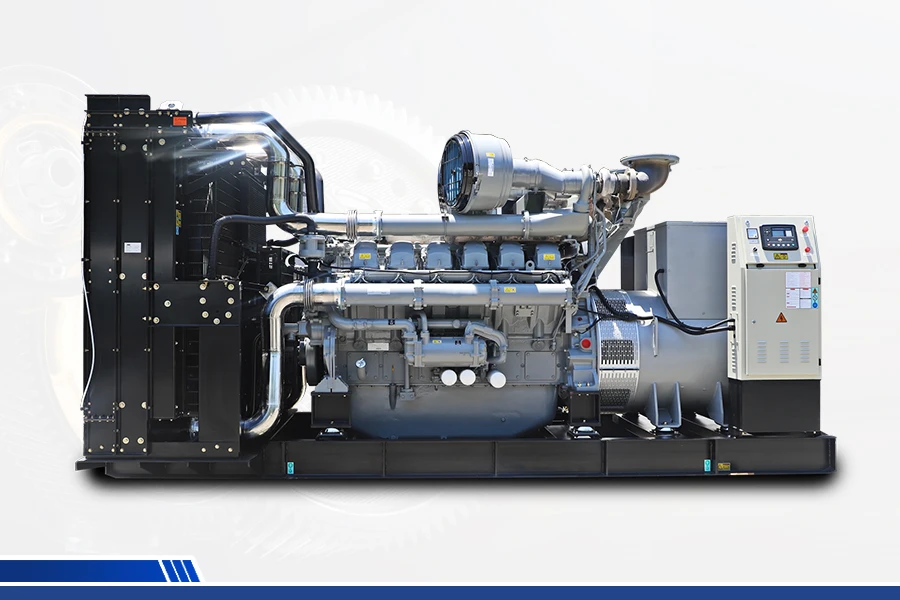
BLOG Megawatts BlogIntroducing the components of a diesel engineIntroducing the components of a diesel engine A diesel generator set is a type of internal combustion generator set and is currently one of the most widely used power generation devices in the world....
 -
Next Post:
 BLOG
Megawatts BlogWinter Emergencies: Why Your Diesel Generator Won't Crank in Sub-Zero TemperaturesDarkness descends as a relentless blizzard knocks out power. You shuffle to the unit, press the start button, and hear a single sluggish click. Your generator won't crank. In sub-zero temperatures, th...
BLOG
Megawatts BlogWinter Emergencies: Why Your Diesel Generator Won't Crank in Sub-Zero TemperaturesDarkness descends as a relentless blizzard knocks out power. You shuffle to the unit, press the start button, and hear a single sluggish click. Your generator won't crank. In sub-zero temperatures, th...
Read More
-
 BLOG
Megawatts BlogMagnetic Pickup (MPU) Sensors: How to Diagnose and Adjust Speed Sensor ClearancesMost speed-sensing faults on Magnetic Pickup (MPU) Sensors trace back to one thing: the air gap between the sensor tip and the target tooth. Diagnosis starts with the symptoms — no signal, errat...
BLOG
Megawatts BlogMagnetic Pickup (MPU) Sensors: How to Diagnose and Adjust Speed Sensor ClearancesMost speed-sensing faults on Magnetic Pickup (MPU) Sensors trace back to one thing: the air gap between the sensor tip and the target tooth. Diagnosis starts with the symptoms — no signal, errat... -
 BLOG
Megawatts BlogTier 4 Final & Common Rail Systems: Why Micro-Contamination Destroys Modern Diesel InjectorsMicro-contamination destroys modern diesel injectors because Tier 4 Final common rail systems run at extreme pressure with micron-level tolerances. Debris that bypasses filtration scores precision com...
BLOG
Megawatts BlogTier 4 Final & Common Rail Systems: Why Micro-Contamination Destroys Modern Diesel InjectorsMicro-contamination destroys modern diesel injectors because Tier 4 Final common rail systems run at extreme pressure with micron-level tolerances. Debris that bypasses filtration scores precision com... -
 BLOG
Megawatts BlogJIT Inventory vs. Safety Stock: Balancing Capital and Risk in Generator MaintenanceThe right approach is a deliberate, risk-based balance between JIT inventory and safety stock, not a pure companywide choice. Can you afford to tie up cash in every spare part, or risk a costly outage...
BLOG
Megawatts BlogJIT Inventory vs. Safety Stock: Balancing Capital and Risk in Generator MaintenanceThe right approach is a deliberate, risk-based balance between JIT inventory and safety stock, not a pure companywide choice. Can you afford to tie up cash in every spare part, or risk a costly outage... -
 BLOG
Megawatts BlogTotal Cost of Ownership (TCO) in Fleet Maintenance: Hidden Logistics Costs of Sourcing Multiple OEMsWhat hidden logistics costs emerge when sourcing multiple OEMs? How heavily do they weigh on Total Cost of Ownership (TCO) in Fleet Maintenance? A fleet manager compares two identical parts at differe...
BLOG
Megawatts BlogTotal Cost of Ownership (TCO) in Fleet Maintenance: Hidden Logistics Costs of Sourcing Multiple OEMsWhat hidden logistics costs emerge when sourcing multiple OEMs? How heavily do they weigh on Total Cost of Ownership (TCO) in Fleet Maintenance? A fleet manager compares two identical parts at differe...
Subscribe to enjoy 10% off
Stay informed about new products and sales

-
INFORMATION
Contact Us
-
CHINA SALES OFFICE: No. 2-11, No. 8, Gaotai Road, Gaishan Investment Zone, Cangshan District, Fuzhou, Fujian
-
SAUDI ARABIA FACTORY: 7264 Shakra, Al Faisaliyyah, REFB3035, 3035, Riyadh 12883
-
COLOMBIA SALES OFFICE: 92-32 26th Street, 03-118, Bogota
-
NIGERIA FACTORY: Plot 5 Chivita Avenue Ajao Estate Isolo Lagos
-
Email:sales@megawattsparts.com
Follow Us


Copyright © 2025 Megawatts All Rights Reserved.



Select Previous Button or Search Directly on Search Bar!
Shop All
 English
Currency: <{ pagedata.current_currency }>(<{ pagedata.current_currency_code }>)
Are you in the right place?

You agree to MegaWatts.com's Terms of Use and Privacy Policy by subscribing. You may receive emails with useful tips, promotions, and offerings.
No, thanks. I'd rather pay full price.