




























OEM vs Aftermarket Generator Parts: Which Is Better for Home Backup Generators?
by Megawatts - Updated At 2025-12-18
When a power outage hits, your home backup generator becomes your first line of defense. But even the most reliable generator depends on the quality of its parts. One common question homeowners face is whether OEM or aftermarket generator parts are the better choice for long-term performance and reliability. Each option comes with its own advantages in terms of fit, cost, availability, and warranty. In this guide, we’ll break down the key differences between OEM and aftermarket generator parts to help you decide what’s best for your home backup generator. Megawatt provides trusted options for both.
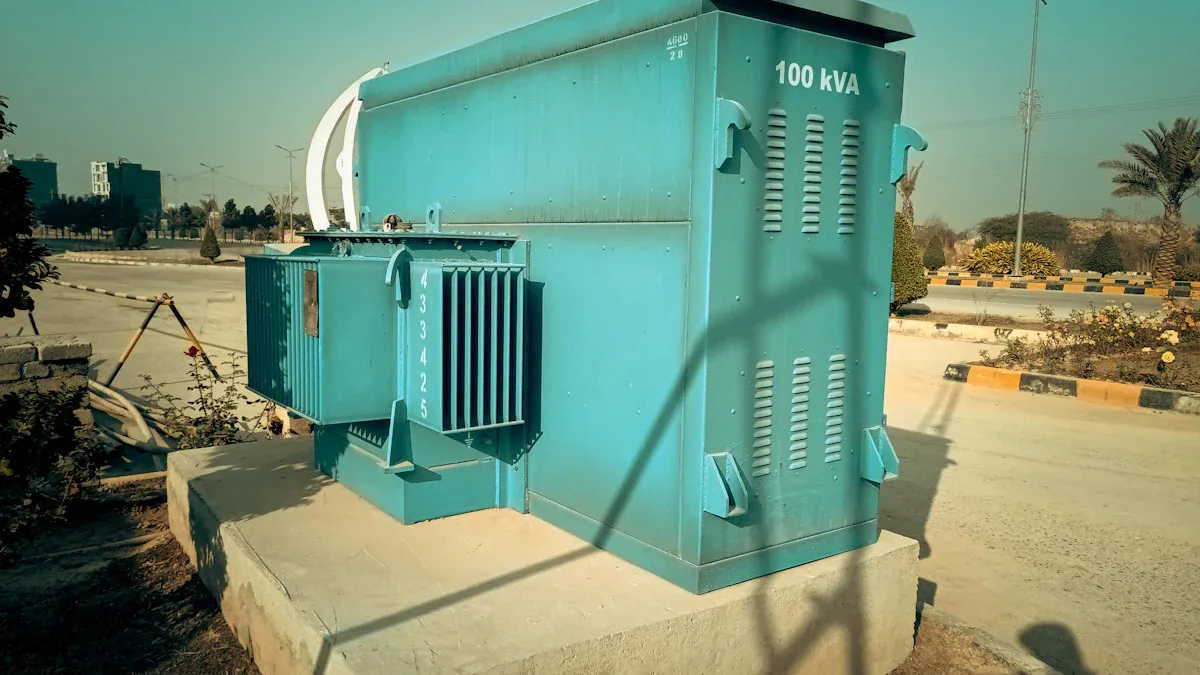
OEM vs Aftermarket Generator Parts Comparison
1. What Are OEM Parts?
OEM parts, or Original Equipment Manufacturer parts, come directly from the company that built your generator. You get parts designed to fit and function exactly like the originals. These parts meet strict quality standards and go through extensive testing. When you choose OEM parts, you know you are getting components that match your generator’s specifications.
2. What Are Aftermarket Parts?
Aftermarket parts are made by third-party companies. These parts are designed to replace OEM components and often offer more choices. Some aftermarket parts match or even improve upon the original design. High-quality aftermarket options use strong materials and precise engineering. This can lead to better durability and efficiency for your generator.
3. Key Differences
You may wonder how OEM and aftermarket parts compare. The following table highlights the main differences in manufacturing standards:
| Feature | OEM Parts | Aftermarket Parts |
| Origin | Produced by the original manufacturer, designed as exact replacements. | Produced by third-party companies, may vary in design and fit. |
| Quality Assurance | Undergo rigorous testing and quality control, perceived as higher quality. | Quality can vary widely; some may meet or exceed OEM standards, others may not. |
Some aftermarket parts use stronger materials and tighter engineering tolerances. This means you can sometimes find aftermarket parts that last longer or perform better than the originals. When you look at the OEM vs Aftermarket Generator Parts Comparison, you see that both options have strengths. Your choice depends on your needs, budget, and the level of assurance you want for your home backup generator.
Reliability and Performance
1. OEM Parts Reliability
When you choose OEM parts for your home backup generator, you invest in reliability. OEM parts come from the original manufacturer, so you know they match your generator’s specifications. These parts undergo strict quality control and testing. You get a warranty with most OEM parts, which gives you extra peace of mind. The precise fit of OEM parts helps prevent performance issues and reduces the risk of damage. Take a look at the table below to see how OEM parts deliver reliability:
| Evidence | Description |
| Quality | OEM parts are made by the original manufacturer, ensuring they match the generator’s specifications and quality. |
| Warranty | Many OEM parts come with a warranty, providing assurance of their reliability and performance. |
| Fit | OEM parts are designed for precise fit, reducing the risk of performance issues and potential damage. |
OEM vs Aftermarket Generator Parts Comparison often shows that OEM parts have lower failure rates. Manufacturers test these parts under real-world conditions to make sure they last. You can trust OEM parts to keep your generator running when you need it most.
2. Aftermarket Parts Reliability
Aftermarket parts offer flexibility and can sometimes improve performance. Some high-quality aftermarket options use strong materials and advanced engineering. You may find aftermarket parts that last longer than the originals. However, not all aftermarket parts go through the same rigorous testing as OEM parts. Some may only meet basic standards, which can lead to unexpected failures in demanding situations. You should check the reputation of the aftermarket brand before making a choice. Reliable aftermarket parts can provide good value, but you need to make sure they meet your generator’s needs.
Tip: Always review product specifications and customer feedback before choosing aftermarket parts for your home backup generator.
Warranty and Support
1. OEM Warranty Coverage
When you choose OEM parts for your generator, you get strong warranty protection. Manufacturers design these parts to match your generator’s original specifications. This coverage ensures you receive a replacement or repair if the part fails. Many competitors offer a 5-year limited warranty, but coverage often decreases after the second year. You may only get parts coverage in the later years, which can lead to unexpected costs. OEM parts protect your investment and give you peace of mind.
- OEM parts usually include a manufacturer’s warranty.
- You get assurance that the part will work as intended.
- Warranty coverage helps you avoid extra expenses.
| Part Type | Warranty Implication |
| OEM Parts | Typically backed by a warranty, protecting your investment |
2. Aftermarket Warranty Issues
Aftermarket parts offer flexibility, but you need to consider warranty risks. Many aftermarket parts do not come with a quality guarantee. Using generic or modified parts can void your generator’s warranty. Manufacturers often limit support for these parts because they may affect performance or cause damage. This lack of coverage can lead to higher costs if something goes wrong. You should always check warranty terms before choosing aftermarket parts.
- Aftermarket parts often lack quality guarantees.
- Using them may void your generator’s warranty.
- You could face unexpected expenses without coverage.
OEM vs Aftermarket Generator Parts Comparison shows that warranty and support play a major role in your decision. Reliable warranty coverage helps you protect your generator and your budget.
Cost and Value
1. OEM Cost Factors
You pay more for OEM generator parts because manufacturers design them to meet strict standards. These parts fit your generator perfectly and deliver reliable performance. OEM parts often come with warranties and support, which add to the overall value. You invest in peace of mind and fewer surprises during maintenance. The higher upfront cost reflects the quality, compatibility, and assurance you receive.
2. Aftermarket Cost Savings
You can save money by choosing aftermarket generator parts. Many aftermarket options sell for up to 50% less than OEM parts. This price difference appeals to budget-conscious homeowners who want to keep expenses low. Consider these points:
- Aftermarket parts often cost significantly less than OEM parts.
- You find a wide range of choices for common replacement items.
- Quality may vary, so you need to check specifications and reviews.
While aftermarket parts provide cost savings, they might not always match the performance or fit of OEM parts. You should weigh the initial savings against possible long-term costs.
3. Long-Term Value
When you look at the OEM vs Aftermarket Generator Parts Comparison, you see that long-term value matters. OEM parts deliver predictable performance and reliability. You spend less on repairs and maintenance over time because these parts fit and function as intended. Aftermarket parts may offer lower prices at first, but if they do not match your generator’s needs, you could face higher maintenance costs. Unplanned repairs and downtime can add up. Choosing the right parts helps you protect your investment and avoid unnecessary expenses.
Choosing the Right Parts for Home Backup Generators
1. When to Choose OEM
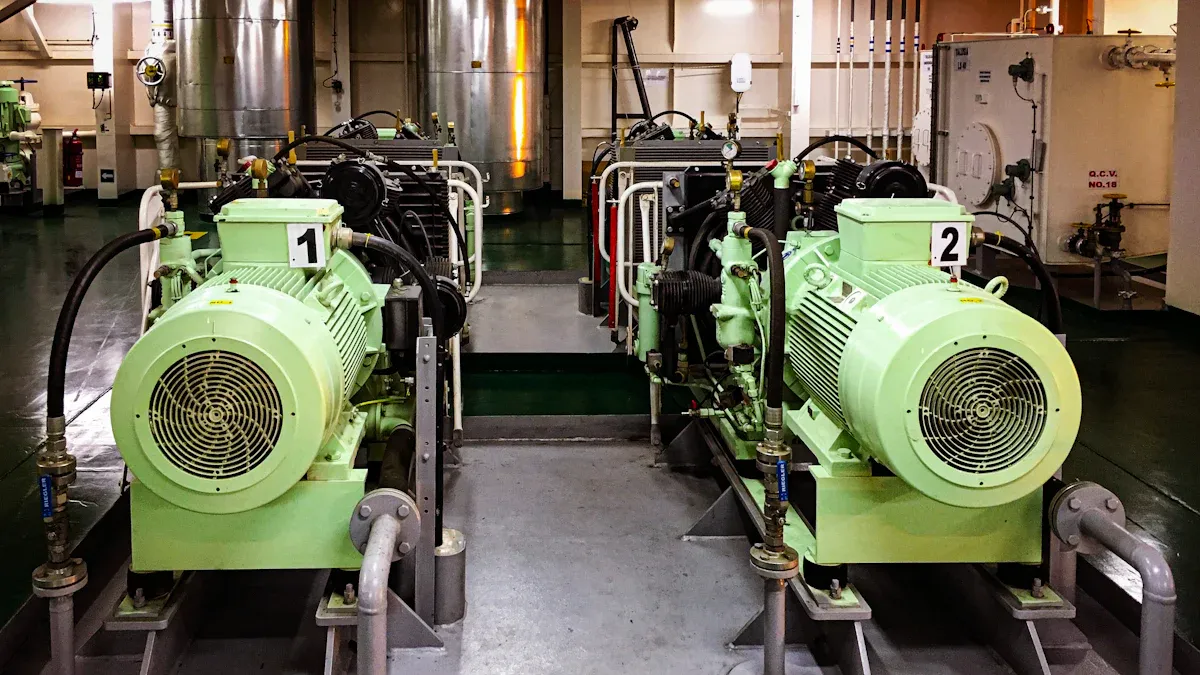
You want your home backup generator to work every time you need it. OEM parts give you the highest level of confidence. These parts come from the original manufacturer, so you know they fit perfectly and meet strict quality standards. You should choose OEM parts in situations where reliability and compatibility matter most. For example, if you need to replace worn parts, upgrade components, or perform regular maintenance, OEM parts help you avoid problems that can come from using off-brand items.
Here is a table that shows when OEM parts are strongly recommended:
| Scenario | Explanation |
| Replacement of worn parts | Using OEM parts ensures compatibility and maintains generator integrity. |
| Upgrading components | Genuine parts are designed to work seamlessly with existing systems. |
| Regular maintenance | OEM parts help prevent issues that arise from using counterfeit or off-brand items. |
You also get warranty protection with OEM parts. This coverage protects your investment and gives you peace of mind. If you want to keep your generator running smoothly for years, OEM parts are the best choice.
Note: OEM parts often come with technical support from the manufacturer. You can get help if you have questions about installation or performance.
2. When Aftermarket Makes Sense
Aftermarket parts can be a smart choice in some situations. You might want to save money or need a quick replacement for a common part. Many aftermarket parts cost less than OEM options. Some high-quality aftermarket brands use strong materials and advanced designs. If you do your research and choose reputable brands, you can find aftermarket parts that work well for your generator.
You may consider aftermarket parts if:
- You have an older generator, and OEM parts are hard to find.
- You want to lower repair costs for non-critical components.
- You need a temporary solution while waiting for OEM parts.
However, you should always check the specifications and reviews before buying. Not all aftermarket parts offer the same quality or fit. Choosing the wrong part can lead to performance issues or even damage your generator.
Tip: Look for aftermarket parts from trusted suppliers who provide clear product information and customer support.
3. Questions to Consider
You face many choices when deciding between OEM and aftermarket parts. To make the best decision, ask yourself these questions:
- How important is warranty protection for your generator?
- Do you need the highest level of reliability and fit?
- Are you comfortable researching aftermarket brands and checking reviews?
- Is cost your main concern, or do you value long-term performance more?
- Can you easily identify the correct part number for your generator?
The following table compares key factors to help you decide:
| Factor | OEM Parts | Aftermarket Parts |
| Quality | Made by the original manufacturer, ensuring high quality and precision. | Often less expensive but may lack quality guarantees. |
| Warranty | Typically backed by a warranty, providing protection for the investment. | Usually do not come with warranties, risking voiding equipment warranties. |
| Selection Precision | Precise and controlled selection based on part numbers. | Can be overwhelming, increasing the risk of choosing incorrect parts. |
The OEM vs Aftermarket Generator Parts Comparison shows that your choice depends on your needs, budget, and comfort with risk. You should weigh the benefits of OEM reliability and warranty against the cost savings and flexibility of aftermarket options. Careful consideration helps you protect your generator and your home.
Why Buy from Megawatt?
1. About Megawatt
You want a reliable source for generator parts. Megawatt specializes in supplying both OEM and high-quality aftermarket parts for home backup generators. The company maintains a user-friendly website at megawattsparts.com where you can browse a wide selection of products. Megawatt focuses on providing genuine solutions for popular brands, ensuring you find the right fit for your generator. You benefit from a team with deep industry knowledge and a commitment to customer satisfaction.
2. Benefits of Shopping at Megawatt
You gain several advantages when you choose Megawatt for your generator parts. The company offers a comprehensive inventory, including OEM and aftermarket options for various generator models. You can easily locate replacement parts for brands like Generac, Cummins, and Kohler. Megawatt’s website features clear product descriptions and part numbers, helping you make informed decisions. The OEM vs Aftermarket Generator Parts Comparison becomes easier when you have access to expert advice and a wide product range.
Tip: Explore Megawatts’s product catalog to find the exact part you need for your home backup generator.
3. Resources for Homeowners
You get more than just parts when you shop at Megawatt. The company provides valuable resources and support for homeowners. You can access technical guides, troubleshooting tips, and installation instructions directly on the website. A vast inventory of common replacement parts is maintained for timely repairs.
You can rely on Megawatt for expert guidance and fast solutions, making it a trusted partner for your home backup generator needs.
Choosing OEM generator parts gives you the best reliability, warranty, and fit, while aftermarket parts may suit budget needs. Use the table below to compare your options:
| Aspect | OEM Parts | Aftermarket Parts |
| Warranty | Protects warranty | May void warranty |
| Reliability | High | Varies |
Consult trusted suppliers like Megawatts for expert advice and quality parts.
FAQ
What is the main benefit of using OEM generator parts?
You get guaranteed compatibility and reliability. OEM parts match your generator’s original specifications, which helps maintain performance and protects your warranty.
Can aftermarket parts void my generator’s warranty?
Yes, using some aftermarket parts may void your generator’s warranty. Always check your manufacturer’s policy before installing non-OEM components.
How do I choose the right part for my home backup generator?
You should check your generator’s model number and review product specifications.
Previous And Next
-
Previous Post:
 BLOG
BLOG Megawatts BlogIntroducing the components of a diesel engineIntroducing the components of a diesel engine A diesel generator set is a type of internal combustion generator set and is currently one of the most widely used power generation devices in the world....
 -
Next Post:
 BLOG
Generator Sets PartsHow to Change a Generator Air Filter at Home (Beginner-Friendly Guide)Your generator is the heart of your power backup system. But just like humans need clean air to breathe, your diesel engine needs clean air to run efficiently. A clogged air filter can "choke" your ge...
BLOG
Generator Sets PartsHow to Change a Generator Air Filter at Home (Beginner-Friendly Guide)Your generator is the heart of your power backup system. But just like humans need clean air to breathe, your diesel engine needs clean air to run efficiently. A clogged air filter can "choke" your ge...
Read More
-
 BLOG
Megawatts BlogStrategic Sourcing: How to Build a Standardized Generator Sets Parts Catalog for Mixed FleetsManaging a mixed fleet of Cummins, Perkins, and Caterpillar generators often creates a hidden financial drain through inventory duplication and fragmented procurement. When different brands use differ...
BLOG
Megawatts BlogStrategic Sourcing: How to Build a Standardized Generator Sets Parts Catalog for Mixed FleetsManaging a mixed fleet of Cummins, Perkins, and Caterpillar generators often creates a hidden financial drain through inventory duplication and fragmented procurement. When different brands use differ... -
 BLOG
Megawatts BlogDiesel Generator Won't Crank: A Step-by-Step Electrical Diagnostic Checklist for MechanicsWhen a diesel generator won't crank, check the electrical system first. Do not chase fuel or mechanical theories yet. Low battery voltage and corroded connections cause most no-start condition calls....
BLOG
Megawatts BlogDiesel Generator Won't Crank: A Step-by-Step Electrical Diagnostic Checklist for MechanicsWhen a diesel generator won't crank, check the electrical system first. Do not chase fuel or mechanical theories yet. Low battery voltage and corroded connections cause most no-start condition calls.... -
 BLOG
Megawatts BlogMagnetic Coil Degradation: Why Your Diesel Engine Stop Solenoid Fails Under Extreme HeatExtreme heat is the primary enemy of a diesel engine stop solenoid. The heat breaks down the electrical insulation inside the magnetic coil. This degradation raises resistance and creates short circui...
BLOG
Megawatts BlogMagnetic Coil Degradation: Why Your Diesel Engine Stop Solenoid Fails Under Extreme HeatExtreme heat is the primary enemy of a diesel engine stop solenoid. The heat breaks down the electrical insulation inside the magnetic coil. This degradation raises resistance and creates short circui... -
 BLOG
Megawatts BlogThe Hidden Cost of Expired Inventory: Shelf Life and Proper Storage of Rubber Gasket Seal KitsA gasket seal kit sits untouched for five years. You paid for it. Now you pay to dispose of it. When a failure occurs, you pay a premium for emergency replacement. These hidden costs accumulate silent...
BLOG
Megawatts BlogThe Hidden Cost of Expired Inventory: Shelf Life and Proper Storage of Rubber Gasket Seal KitsA gasket seal kit sits untouched for five years. You paid for it. Now you pay to dispose of it. When a failure occurs, you pay a premium for emergency replacement. These hidden costs accumulate silent...
Subscribe to enjoy 10% off
Stay informed about new products and sales

-
INFORMATION
Contact Us
-
CHINA SALES OFFICE: No. 2-11, No. 8, Gaotai Road, Gaishan Investment Zone, Cangshan District, Fuzhou, Fujian
-
SAUDI ARABIA FACTORY: 7264 Shakra, Al Faisaliyyah, REFB3035, 3035, Riyadh 12883
-
COLOMBIA SALES OFFICE: 92-32 26th Street, 03-118, Bogota
-
NIGERIA FACTORY: Plot 5 Chivita Avenue Ajao Estate Isolo Lagos
-
Email:sales@megawattsparts.com
Follow Us


Copyright © 2025 Megawatts All Rights Reserved.



Select Previous Button or Search Directly on Search Bar!
Shop All
 English
Currency: <{ pagedata.current_currency }>(<{ pagedata.current_currency_code }>)
Are you in the right place?

You agree to MegaWatts.com's Terms of Use and Privacy Policy by subscribing. You may receive emails with useful tips, promotions, and offerings.
No, thanks. I'd rather pay full price.