



































Radiator Maintenance 101: Signs Your Cooling System Is Choking Your Engine
by Megawatts - Updated At 2026-04-07
Radiator maintenance protects your engine from costly failures. Many drivers underestimate the impact of regular maintenance on the engine cooling system. Industry data shows that nearly half of engine failures result from cooling system issues. Routine radiator maintenance prevents overheating and extends engine life. Ignoring maintenance causes symptoms of a clogged radiator and leads to engine overheating. Early detection of signs of a failing radiator is essential for avoiding severe damage. Always use verified components from trusted sources like Megawatts Parts when performing radiator maintenance. Reliable maintenance practices reduce risk and improve performance.
Cooling System Trouble Signs
Engine Overheating Warning
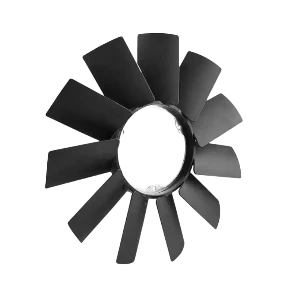
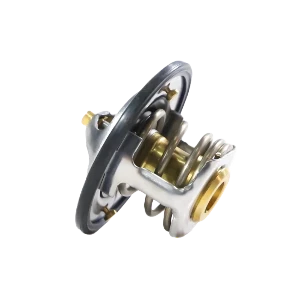
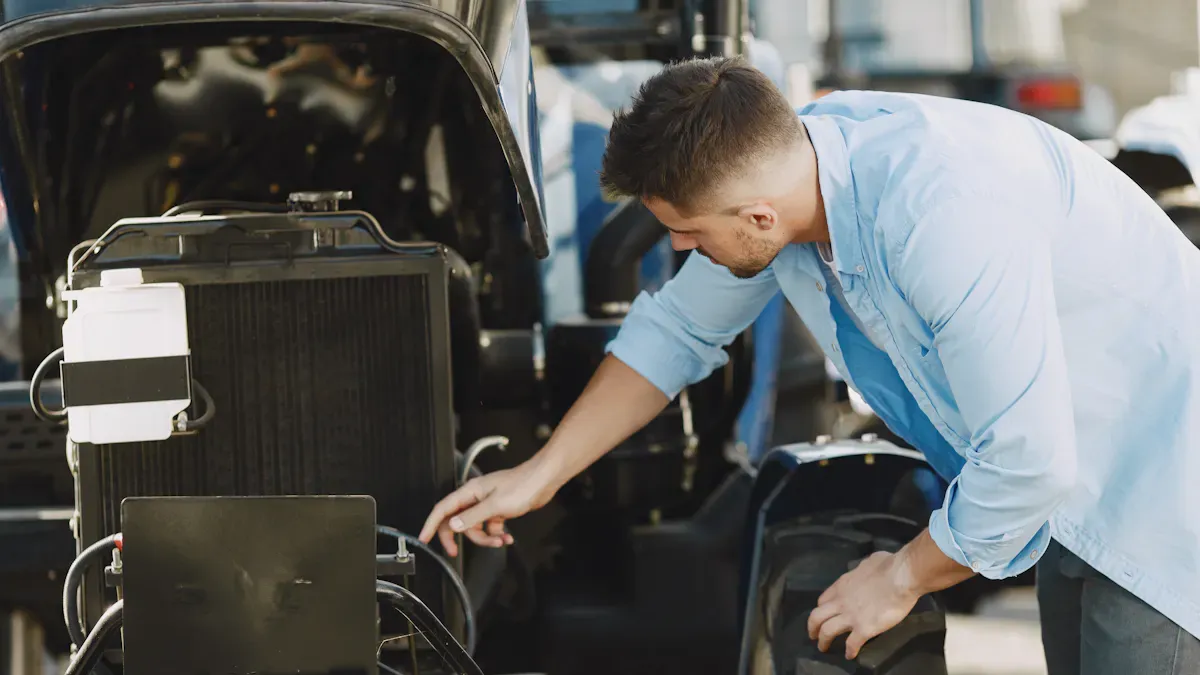
Engine overheating is one of the most critical warning signs of cooling system trouble. Automotive repair shops frequently report overheating as a primary symptom of cooling system failure. A malfunctioning radiator, clogged fins, or leaking hoses can quickly lead to an overheating engine. Cooling fans that fail, especially in slow traffic, prevent effective cooling and raise the risk of engine overheating. A stuck thermostat can halt coolant circulation, causing rapid temperature spikes. Understanding how to choose the right thermostat for diesel engines is essential for preventing overheating and maintaining stable engine performance. causing rapid temperature spikes. Early detection of overheating is essential. Ignoring this warning sign can result in severe internal damage, including head gasket failure and costly repairs.
Tip: If your temperature gauge rises unexpectedly or you notice the engine running hotter than usual, schedule a cooling system inspection immediately.
Rising Temperature Gauge
A rising temperature gauge is a clear indicator of cooling system problems. Drivers often notice the gauge creeping toward the red zone, signaling trouble. The main causes include low coolant levels, cooling system leaks, faulty thermostats, water pump malfunctions, radiator and fan issues, low engine oil, and head gasket failure. Each of these issues can disrupt cooling and lead to overheating. Cooling system inspection should be performed as soon as this warning sign appears.
Common Causes of Rising Temperature Gauge:
- Low coolant levels
- Cooling system leaks
- Faulty thermostat
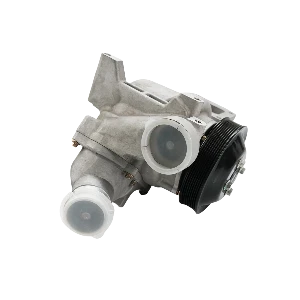
- Water pump malfunction
- Radiator and fan issues
- Low engine oil
- Head gasket failure
Note: Addressing a rising temperature gauge early prevents cooling system failure and protects the engine from overheating.
Coolant Leaks and Puddles
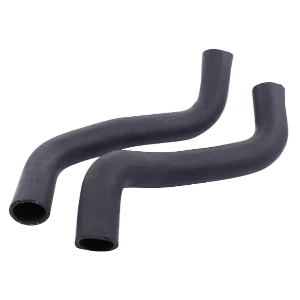
Coolant leaks are a frequent sign of cooling system trouble, especially in vehicles with aging radiators. Leaks can occur at critical points such as hoses, water pumps, thermostat housings, and radiators. Worn or cracked radiator hose for generator engines is one of the most common causes of coolant leaks, especially in aging equipment.The location and color of coolant puddles help diagnose specific cooling system issues. Green, orange, pink, yellow, or blue puddles indicate different types of coolant and potential sources of leaks. Puddles near the front center often point to radiator or lower hose problems. Dampness inside the cabin suggests a heater core leak. Leak patterns, such as drips after driving or constant leaks, provide clues about cooling system failure.
Most Common Coolant Leak Locations:
- Hoses (ends where rubber hardens)
- Water pumps (weep hole)
- Thermostat housings (plastic warping)
- Radiators (end tanks or seams)
- Heater cores (sweet odor in cabin)
- Radiator caps (loss without visible leaks)
Alert: Coolant leaks should never be ignored. Immediate cooling system inspection is necessary to prevent overheating and engine damage.
Steam or White Smoke
Steam or white smoke from the engine bay signals serious cooling system trouble. Steam appears thin and wispy, quickly evaporating, while white smoke is denser and oilier, lingering longer. Steam usually indicates a coolant leak under pressure, while white smoke may suggest internal engine issues. Mechanics recommend consulting a professional if you see steam or smoke. Depending on severity, repair or replacement of the radiator may be required.
Warning: Visible steam or white smoke is a critical warning sign. Stop driving and seek expert cooling system inspection to avoid catastrophic engine failure.
Discolored or Sludgy Coolant
Discolored or sludgy coolant is a sign of internal cooling system problems. Rust and corrosion inside the radiator can cause overheating. Cross-contamination from leaks in head gaskets or oil coolers leads to serious cooling system trouble. Sludge formation from degraded coolant, such as Dex-Cool, creates acidic conditions that accelerate corrosion.
|
Evidence Description |
Explanation |
|
Presence of rust and corrosion |
Indicates serious internal issues within the radiator and engine, leading to potential overheating. |
|
Cross-contamination due to leaks |
Suggests that leaks in head gaskets or oil coolers can cause serious problems in the cooling system. |
|
Sludge formation from degraded coolant |
The degradation of certain coolants, like Dex-Cool, can lead to acidic conditions that cause further corrosion and sludge. |
Tip: Regular cooling system inspection and coolant changes prevent sludge buildup and protect the engine from overheating.
Heater Malfunction
A malfunctioning heater often signals cooling system trouble. The heater relies on hot coolant circulating through the heater core. If the cooling system fails, the heater may blow cold air or not work at all. This warning sign can indicate low coolant, a clogged radiator, or a leak in the heater core. Early detection and cooling system inspection are vital to prevent further engine damage.
Unusual Radiator Noises
Unusual radiator noises are warning signs of cooling system problems. Grinding or whining noises often point to a faulty water pump. Hissing sounds may signal a coolant leak. Gurgling or bubbling noises suggest air in the cooling system, which can lead to overheating. A whining noise from the water pump may indicate a failing bearing or impeller.
Common Radiator Noises:
- Grinding or whining (water pump failure)
- Hissing (coolant leak)
- Gurgling or bubbling (air in the cooling system)
Note: Unusual noises require prompt cooling system inspection to prevent cooling system failure and protect the engine.
Early detection of warning signs is crucial. Ignoring cooling system trouble increases the risk of overheating, cooling system failure, and costly engine repairs. Regular cooling system inspection and maintenance ensure optimal cooling and engine performance.
Why Overheating Matters for Engine Health
Risks of Ignoring Overheating
Overheating is a leading cause of engine failure. Many drivers overlook early warning signs, resulting in severe engine damage and expensive repairs. Technical consultants emphasize that ignoring replacement intervals and maintenance can have devastating effects. Filtration effectiveness drops when filter media collapses, allowing abrasive particles to circulate freely. This process accelerates wear on cylinder walls and piston rings. Oil may enter the combustion chamber, causing blue exhaust smoke and increased oil consumption. In extreme cases, neglecting symptoms of a failing radiator can require complete engine replacement.
- Overheating can lead to significant engine damage and costly repairs.
- Recognizing warning signs and understanding common causes of overheating is crucial for vehicle protection.
- Long-term preventive maintenance habits reduce the likelihood of overheating and ensure reliable vehicle operation.
- Failure to address overheating symptoms increases the risk of catastrophic engine failure.
Note: Consistent radiator maintenance and timely attention to the engine cooling system are essential for preventing failure and extending vehicle lifespan.
How a Clogged Radiator Causes Engine Damage
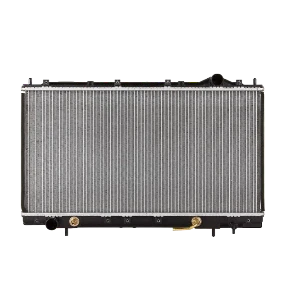
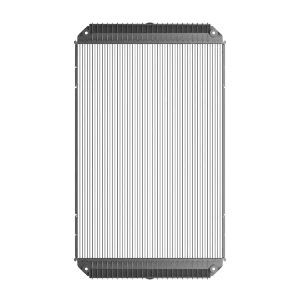
A clogged radiator is a common engine overheating cause. Debris accumulation from external elements blocks airflow, raising engine temperature and increasing the risk of failure. Corrosion and rust create obstructions inside the radiator, impeding coolant flow and causing leaks. Low coolant levels prevent effective heat absorption, resulting in overheating that can warp engine components. A clogged radiator reduces cooling efficiency, leading to permanent internal damage if not addressed.
- Debris and rust block airflow and coolant flow, causing overheating.
- Leaks from corrosion worsen overheating issues and increase the risk of failure.
- Low coolant levels from a clogged radiator prevent proper heat dissipation, leading to engine damage.
- Symptoms of clogged radiator must be addressed promptly to avoid costly repairs.
Tip: Regular inspection and cleaning are vital for maintaining the engine cooling system. Understanding how to clean a clogged radiator helps prevent failure and protects engine health.
What to Do About Cooling System Trouble
Immediate Steps for Overheating
Automotive experts recommend several immediate actions when signs of overheating appear. Drivers should turn off the air conditioning and activate the heater to transfer heat away from the engine cooling system. Pull over safely and quickly, then turn off the engine to prevent further damage. Allow the engine to cool for at least 15–30 minutes before checking anything. Never open the radiator cap while the engine is hot, as this can cause severe burns. After cooling, check the coolant levels in the overflow tank. Inspect for leaks under the vehicle and restart with caution if everything appears normal. If symptoms persist, seek professional service.
Ordered List of Immediate Steps:
- Turn off air conditioning and turn on heater.
- Pull over safely and turn off the engine.
- Allow cooling time for 15–30 minutes.
- Never open the radiator cap while hot.
- Check coolant levels after cooling.
- Inspect for leaks.
- Restart with caution or seek professional service.
Tip: Checking coolant levels helps prevent overheating, which can lead to severe engine damage. Regular coolant system service allows early identification of low coolant levels and timely action.
When to Seek Professional Help
Professional service becomes necessary when the source of overheating or cooling system trouble is unclear or cannot be resolved independently. If you notice persistent symptoms, such as low coolant levels, unexplained leaks, or recurring overheating, schedule a professional cooling system repair. Experienced engineers and technical consultants advise that unresolved issues can escalate quickly, leading to a damaged radiator or engine failure. Do not hesitate to seek professional service if the problem is not obvious or easily fixable.
Criteria for Professional Service:
- Unclear or unresolved cooling system issues.
- Persistent low coolant levels.
- Recurring overheating or leaks.
- Signs of a failing radiator.
Alert: Professional cooling system service ensures accurate diagnosis and repair, reducing the risk of costly engine damage.
How to Clean a Clogged Radiator
Cleaning a clogged radiator requires careful attention to industry standards. In cases where cleaning is not sufficient, replacing worn radiator components for heavy-duty cooling systems becomes necessary to restore proper heat dissipation and prevent recurring overheating issues.Place a shallow pan beneath the radiator to catch draining coolant. Remove the radiator cap and loosen the drain valve to let the coolant drain. Fill the radiator halfway with water, add one gallon of white distilled vinegar, and fill the rest with water. Close the radiator cap and run the car until it reaches room temperature. Leave the car overnight, then drain the radiator and flush it with a hose. Refill the radiator with the proper mixture of coolant and water. Always use quality parts for coolant system service and verify product details on the Megawatts Parts official site.
|
Step |
Description |
|
1 |
Place a pan beneath the radiator to catch coolant. |
|
2 |
Remove radiator cap and drain valve to release coolant. |
|
3 |
Fill halfway with water, add vinegar, then fill with water. |
|
4 |
Close cap and run car to room temperature. |
|
5 |
Leave overnight, drain, and flush with hose. |
|
6 |
Refill with proper coolant mixture. |
Note: Using quality components from Megawatts Parts during coolant system service ensures reliability and performance. Always verify product information on the official site.
Recommended Cooling System Parts:
- Radiators
- Thermostats
- Water Pumps
- Coolant
Explore our full range of cooling system components for generators and heavy-duty engines.
Radiator Maintenance Tips
Regular Checks and Fluid Changes
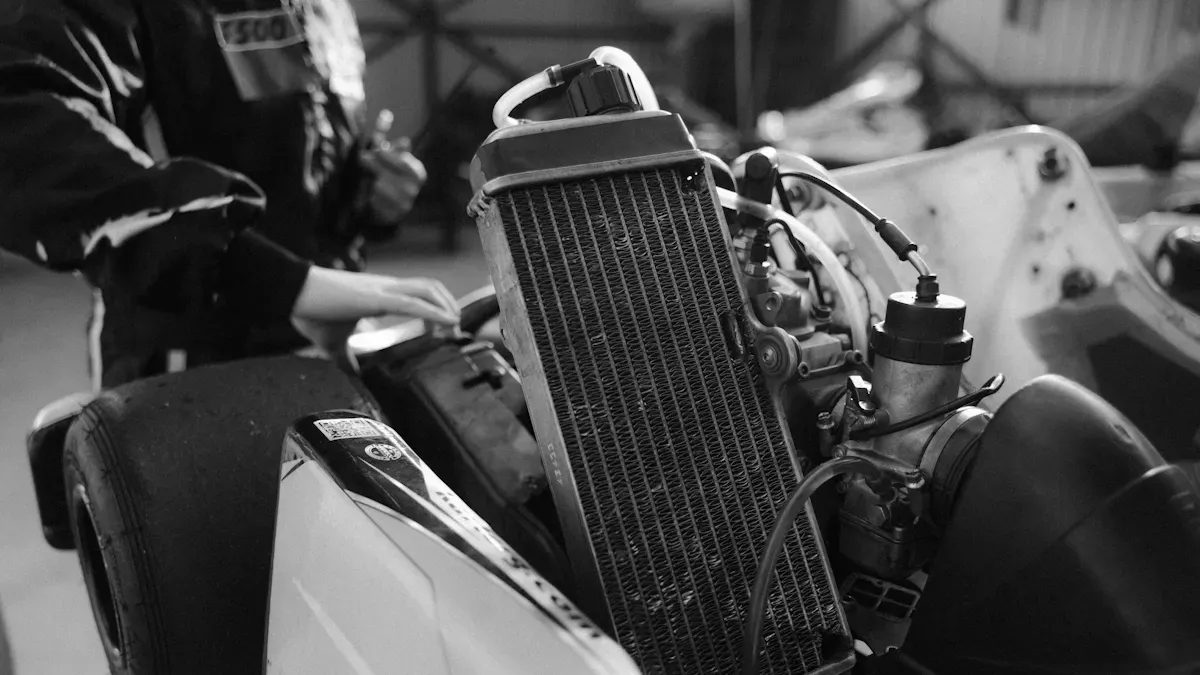
Routine inspection forms the foundation of effective radiator maintenance. Technicians recommend checking the radiator and related components at regular intervals to prevent unexpected failures. The following table outlines manufacturer guidelines for radiator inspection and fluid changes:
|
Service Type |
Recommended Interval |
|
Radiator Check |
|
|
Radiator Fluid Exchange |
Typically every 30,000 miles |
Frequent inspection of hoses, clamps, and the radiator cap helps identify early symptoms of clogged radiator or leaks. Consistent coolant system maintenance, including timely fluid changes, reduces the risk of corrosion and overheating. Always monitor coolant levels and look for discoloration or debris during each inspection.
Choosing Quality Coolant and Parts
Selecting the correct coolant type is essential for optimal engine cooling system performance. The table below compares common coolant types and their impact on radiator longevity:
|
Coolant Type |
Protection Method |
Engine Fit |
Maintenance Impact |
|
Forms a silicate and phosphate layer |
Older cast-iron engines |
Requires additives for liner protection |
|
|
OAT |
Uses organic acids at corrosion sites |
Modern aluminum engines |
Reduces scale and deposit buildup |
|
HOAT |
Combines silicates and organic acids |
Mixed-age fleets |
Extends drain intervals and balances protection |
When replacing parts, source components from reputable suppliers. Megawatts Parts, as verified on their official website, implements a multi-stage quality control process. This includes rigorous sourcing, material and dimensional testing, functional checks, and final inspection. Only parts that meet strict standards reach customers, ensuring reliability for coolant system maintenance.
Expert Advice for Preventing Cooling System Trouble
Experienced engineers recommend frequent inspection of the radiator, hoses, and coolant levels, especially in high-mileage vehicles. Schedule seasonal inspection to catch potential issues before they escalate. Follow manufacturer recommendations for coolant flushes every 30,000 to 60,000 miles. Keep radiator fins clean to maintain efficient airflow. Verify coolant levels regularly and address any drop immediately. Timely service and consistent cooling system maintenance enhance engine performance and fuel efficiency.
Tip: Preventative inspection and maintenance reduce the risk of engine overheating cause and extend the life of your vehicle.
Recognizing symptoms of clogged radiator or other engine cooling system issues early protects your vehicle from severe damage. Radiator maintenance prevents engine overheating and reduces repair costs.
- Keeping the cooling system flushed and tested prevents overheating, which can lead to engine failure.
- Early detection of leaks and clogs reduces costly downtime and expensive repairs.
- Regular radiator maintenance saves money in the long run and preserves vehicle performance.
Act quickly on warning signs and consult trusted experts to avoid costly engine damage.
Looking for reliable cooling system parts for your generator?
Megawatts Parts offers OEM-quality components, bulk supply options, and fast global delivery. Contact us today for pricing and technical support.
Previous And Next
-
Previous Post:
 BLOG
BLOG Megawatts BlogIntroducing the components of a diesel engineIntroducing the components of a diesel engine A diesel generator set is a type of internal combustion generator set and is currently one of the most widely used power generation devices in the world....
 -
Next Post:
 BLOG
Megawatts BlogWF2075 vs WF2076 Coolant Filter: Understanding the Critical DifferencesThe main difference between the WF2075 vs WF2076 coolant filter lies in their engine compatibility, chemical additive form, and shipping logistics. Selecting the right filter is critical for Cummins e...
BLOG
Megawatts BlogWF2075 vs WF2076 Coolant Filter: Understanding the Critical DifferencesThe main difference between the WF2075 vs WF2076 coolant filter lies in their engine compatibility, chemical additive form, and shipping logistics. Selecting the right filter is critical for Cummins e...
Read More
-
 BLOG
Megawatts BlogStrategic Sourcing: How to Build a Standardized Generator Sets Parts Catalog for Mixed FleetsManaging a mixed fleet of Cummins, Perkins, and Caterpillar generators often creates a hidden financial drain through inventory duplication and fragmented procurement. When different brands use differ...
BLOG
Megawatts BlogStrategic Sourcing: How to Build a Standardized Generator Sets Parts Catalog for Mixed FleetsManaging a mixed fleet of Cummins, Perkins, and Caterpillar generators often creates a hidden financial drain through inventory duplication and fragmented procurement. When different brands use differ... -
 BLOG
Megawatts BlogDiesel Generator Won't Crank: A Step-by-Step Electrical Diagnostic Checklist for MechanicsWhen a diesel generator won't crank, check the electrical system first. Do not chase fuel or mechanical theories yet. Low battery voltage and corroded connections cause most no-start condition calls....
BLOG
Megawatts BlogDiesel Generator Won't Crank: A Step-by-Step Electrical Diagnostic Checklist for MechanicsWhen a diesel generator won't crank, check the electrical system first. Do not chase fuel or mechanical theories yet. Low battery voltage and corroded connections cause most no-start condition calls.... -
 BLOG
Megawatts BlogMagnetic Coil Degradation: Why Your Diesel Engine Stop Solenoid Fails Under Extreme HeatExtreme heat is the primary enemy of a diesel engine stop solenoid. The heat breaks down the electrical insulation inside the magnetic coil. This degradation raises resistance and creates short circui...
BLOG
Megawatts BlogMagnetic Coil Degradation: Why Your Diesel Engine Stop Solenoid Fails Under Extreme HeatExtreme heat is the primary enemy of a diesel engine stop solenoid. The heat breaks down the electrical insulation inside the magnetic coil. This degradation raises resistance and creates short circui... -
 BLOG
Megawatts BlogThe Hidden Cost of Expired Inventory: Shelf Life and Proper Storage of Rubber Gasket Seal KitsA gasket seal kit sits untouched for five years. You paid for it. Now you pay to dispose of it. When a failure occurs, you pay a premium for emergency replacement. These hidden costs accumulate silent...
BLOG
Megawatts BlogThe Hidden Cost of Expired Inventory: Shelf Life and Proper Storage of Rubber Gasket Seal KitsA gasket seal kit sits untouched for five years. You paid for it. Now you pay to dispose of it. When a failure occurs, you pay a premium for emergency replacement. These hidden costs accumulate silent...
Subscribe to enjoy 10% off
Stay informed about new products and sales

-
INFORMATION
Contact Us
-
CHINA SALES OFFICE: No. 2-11, No. 8, Gaotai Road, Gaishan Investment Zone, Cangshan District, Fuzhou, Fujian
-
SAUDI ARABIA FACTORY: 7264 Shakra, Al Faisaliyyah, REFB3035, 3035, Riyadh 12883
-
COLOMBIA SALES OFFICE: 92-32 26th Street, 03-118, Bogota
-
NIGERIA FACTORY: Plot 5 Chivita Avenue Ajao Estate Isolo Lagos
-
Email:sales@megawattsparts.com
Follow Us


Copyright © 2025 Megawatts All Rights Reserved.



Select Previous Button or Search Directly on Search Bar!
Shop All
 English
Currency: <{ pagedata.current_currency }>(<{ pagedata.current_currency_code }>)
Are you in the right place?

You agree to MegaWatts.com's Terms of Use and Privacy Policy by subscribing. You may receive emails with useful tips, promotions, and offerings.
No, thanks. I'd rather pay full price.