







































Starter Motor vs Stop Solenoid: Why Your Generator Clicks but Won’t Crank
by Megawatts - Updated At 2026-03-31
Understanding Key Differences in Functionality
If your generator clicks but won’t crank, understanding the difference between a starter motor and a generator stop solenoid is essential for accurate diagnosis. Explore why your generator clicks but won't crank.
|
Features |
Starter Motor |
Stop Solenoid |
|
Primary Function |
Engages starter motor to crank engine |
Controls fuel flow to start/stop engine |
|
Activation Point |
When ignition key is turned to START |
When ignition key is turned to OFF or ON |
|
Typical Failure Symptom |
Single click, engine won’t crank |
Repeated clicking, engine fails to stop/start |
|
Electrical Role |
High-current switch for starter motor |
Electromechanical valve for fuel control |
|
Impact of Failure |
Engine will not crank or start |
Engine may not shut down or may not start |
Imagine turning your generator’s key, only to hear a single click instead of the engine roaring to life. This common issue often points to either the starter motor solenoid or the generator stop solenoid. Many experienced engineers warn that misidentifying these components can lead to wasted time and unnecessary repairs. Approach the situation methodically and remember that proper identification is essential for a safe and effective solution.
What Does the Click Mean?
Starter Solenoid Clicks
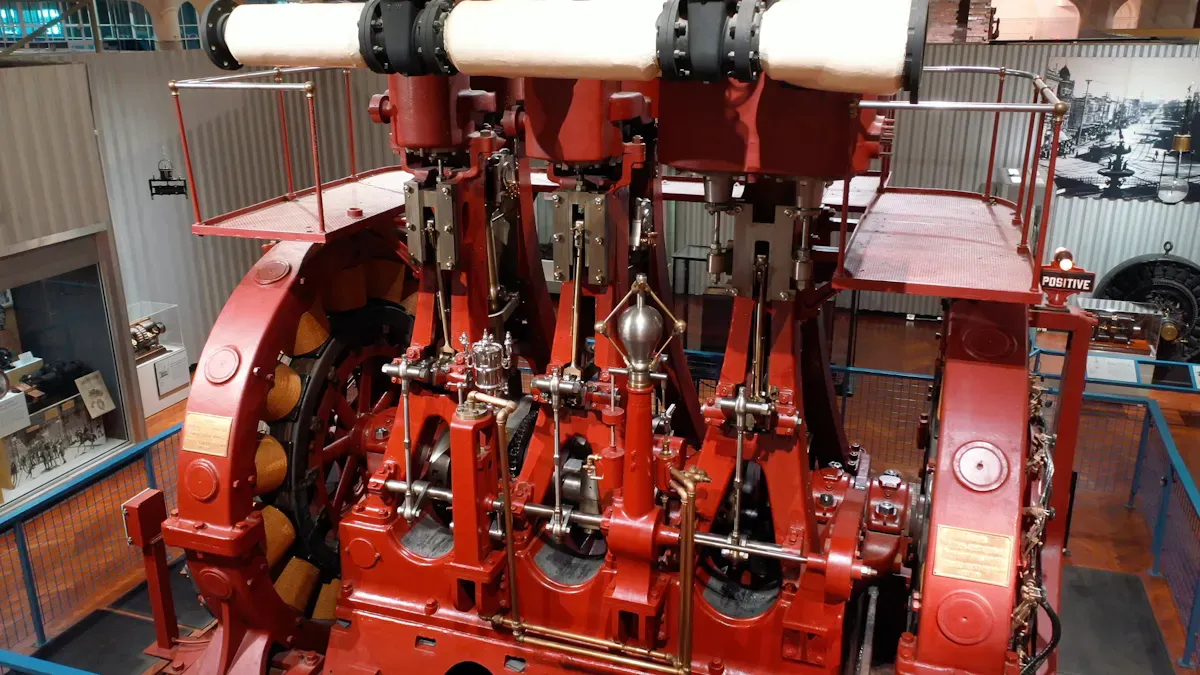
A clicking sound when starting the generator or when turning the key often points to the starter solenoid. This generator component acts as a bridge between the battery and the starter motor. When you turn the key, the solenoid should send power to the starter motor. If you hear a single, solid click but the engine does not crank, the solenoid is trying to engage but cannot deliver enough power. This usually happens because of burned or corroded contacts inside the solenoid. The plunger moves, but the circuit does not complete. Experienced engineers warn that a bad starter relay can mimic these symptoms, so it is important to test both the solenoid and the relay. Ignoring this sign can lead to repeated no-start situations and unnecessary part replacements.
Common causes of starter motor solenoid clicking:
- Insufficient battery voltage
- Rusty or burned electrical contacts
- Faulty wiring or connections
- Bad starter relay
Stop Solenoid Clicks
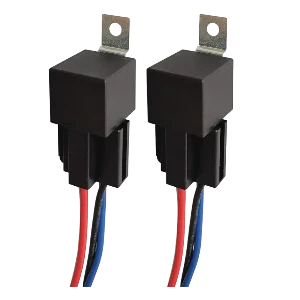
The stop solenoid controls fuel flow to the engine. When it operates, you may hear a click as the solenoid valve opens or closes. This sound can come from the valve itself or from a relay that supplies current. If you notice rapid clicking, such as every second or few seconds, this often signals a problem with the controller or wiring. Fluctuating voltage across the solenoid can also cause irregular clicking. Technicians recommend measuring voltage at the solenoid terminals to confirm stable operation. A persistent clicking from the stop solenoid can prevent the engine from starting or shutting down properly.
Typical sources of stop solenoid clicking:
- Valve movement during normal operation
- Relay activation
- Faulty controller or unstable wiring
Two Types of Clicking Explained
Understanding the difference between these two clicks is crucial for accurate diagnosis. The starter motor solenoid click usually happens once when you turn the key, signaling an attempt to start the engine. In contrast, the stop solenoid may click during both startup and shutdown, or repeatedly if there is a wiring issue. A bad starter relay can cause confusion, as it may produce a similar single click. Always check both solenoids and related wiring before replacing parts. This approach saves time and reduces the risk of misdiagnosis.
Tip: If you hear a single click and the engine won’t crank, focus on the starter circuit. If you hear repeated clicking, inspect the stop solenoid and its wiring.
Starter Solenoid vs Stop Solenoid
Starter Solenoid Function
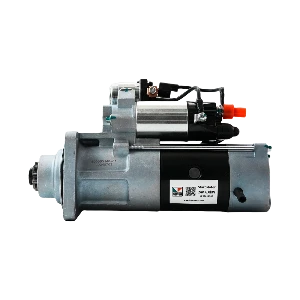
The starter solenoid serves as a critical link in the generator’s starting system. When the operator turns the ignition key, the starter motor solenoid receives an electrical signal. This generator component acts as an electromagnet, pulling a plunger that bridges the connection between the battery and the starter motor. The result is a surge of current that energizes the starter motor, causing it to rotate the engine’s flywheel. The starter solenoid also moves the starter pinion into engagement with the engine’s ring gear, ensuring the engine can begin its combustion cycle.
The starter solenoid performs several essential tasks:
- Engages the starter motor by closing the high-current circuit.
- Moves the starter pinion to mesh with the ring gear.
- Disconnects the starter motor once the engine fires, preventing damage.
Experienced engineers often encounter situations where a faulty starter solenoid produces a single click but fails to crank the engine. This symptom usually points to worn contacts or insufficient battery voltage. Technicians recommend checking all wiring connections and battery health before replacing the starter solenoid. Ignoring these steps can lead to unnecessary downtime and repeated failures.
Stop Solenoid Function
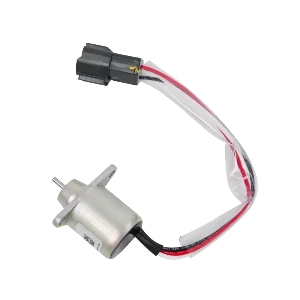
The stop solenoid plays a vital role in engine shutdown and fuel management. In diesel and gasoline generators, the generator stop solenoid controls the flow of fuel to the engine. When the operator turns the key to the OFF position, the generator stop solenoid receives a signal that triggers it to cut off the fuel supply, halting engine operation. The design and operation of the stop solenoid can vary depending on the generator model and year.
|
Solenoid Position |
Action on KEY-OFF |
Action on KEY-ON |
|
|
Older Models (pre-2002) |
Retracted |
Extends to cut fuel |
No action, allows flow |
|
Newer Models (2003+) |
Extended |
Retracts to allow fuel |
Extends to cut fuel |
In newer generator models, the generator stop solenoid remains powered while the engine is running. When the engine is turned off, a +12V signal causes the solenoid to retract, pulling the lever on the injection pump and stopping fuel flow. This mechanism ensures a rapid and reliable shutdown, protecting the engine from potential damage due to uncontrolled operation.
Key operational points for the stop solenoid:
- Requires two supply wires: one for high current (pull-in), one for low current (hold).
- Maintains fuel flow during engine operation by staying energized.
- Cuts fuel supply instantly when de-energized, stopping the engine.
Technicians often see issues where unstable wiring or controller faults cause the generator stop solenoid to click repeatedly, preventing proper engine shutdown. For a deeper analysis of this issue, see our guide: Why Your Generator Won’t Shut Down -Troubleshooting Stop Solenoid Failures. Always verify voltage stability and wiring integrity before replacing the generator stop solenoid.
Key Differences
Understanding the differences between the starter solenoid and the generator stop solenoid is essential for accurate troubleshooting and efficient generator maintenance.
|
Feature |
Starter Solenoid |
generator stop solenoid |
|
Primary Function |
Engages starter motor to crank engine |
Controls fuel flow to start/stop engine |
|
Activation Point |
When ignition key is turned to START |
When ignition key is turned to OFF or ON |
|
Typical Failure Symptom |
Single click, engine won’t crank |
Repeated clicking, engine fails to stop/start |
|
Electrical Role |
High-current switch for starter motor |
Electromechanical valve for fuel control |
|
Impact of Failure |
Engine will not crank or start |
Engine may not shut down or may not start |
The starter solenoid initiates engine operation by delivering power to the starter motor. The generator stop solenoid halts engine operation by cutting off the fuel supply. Confusing these two components can lead to misdiagnosis and wasted repair efforts. For example, replacing a starter solenoid when the real issue lies with the generator stop solenoid will not resolve a no-start condition if fuel is not reaching the engine.
Tip: Always listen carefully to the type and pattern of clicking. A single, solid click usually points to the starter solenoid, while repeated or irregular clicking often indicates a stop solenoid or wiring issue.
Experienced technical consultants advise methodical testing of both solenoids and their circuits. This approach minimizes risk, reduces downtime, and ensures the generator returns to service quickly. Proper identification and understanding of each solenoid’s function build confidence and competence in generator troubleshooting.
Diagnosing a Bad Starter Solenoid
Symptoms of a Bad Starter Solenoid
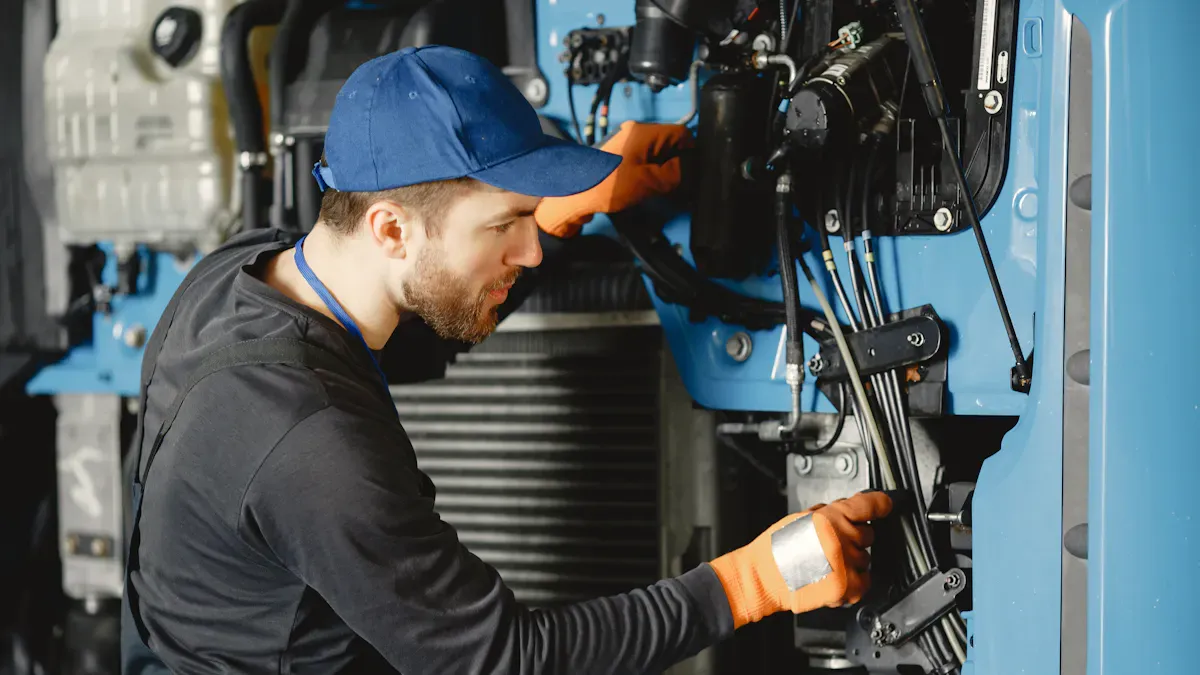
A generator that clicks but will not crank often signals a problem within the starter circuit. Recognizing the symptoms of a failing starter motor solenoid is essential for accurate troubleshooting. Technicians and engineers frequently encounter the following warning signs:
- Grinding sounds when attempting to start the generator
- Clicking noises upon startup, especially a single, solid click
- No response at all when the ignition is turned
A single click without engine rotation usually points to a starter motor solenoid issue, while repeated clicks may indicate a different fault. If the starter motor does not engage, always consider both the solenoid and the starter motor itself. Ignoring these symptoms can lead to unnecessary downtime and costly repairs.
Tip: Experienced engineers recommend listening closely to the type of sound produced. A grinding noise may suggest a mechanical issue with the starter motor, while a single click often implicates the solenoid.
Testing the Starter Solenoid
Proper diagnosis of a failing starter solenoid requires a systematic approach. The following table outlines the recommended diagnostic steps:
|
Step |
Description |
|
1 |
Locate the starter solenoid, typically near the starter motor with three terminals: Battery (B+), Starter (M), and Control (S). |
|
2 |
Check for continuity between the large terminals using a multimeter. No continuity indicates normal operation when the key is off, while continuity suggests a stuck solenoid. |
|
3 |
Test the activation circuit at the control terminal. If nothing happens, the solenoid or starter motor may be defective. |
|
4 |
Test solenoid activation by bridging the control and battery terminals. A click indicates a functional solenoid coil; no click suggests faults. |
|
5 |
Interpret results based on observations, such as engine cranking or clicking sounds, to diagnose issues with the solenoid or starter motor. |
For a more detailed test, follow these steps:
- Ensure the generator is off, keys are removed, and disconnect the negative battery terminal.
- Gather a multimeter, wire brush, wrench set, and screwdriver.
- Locate the starter solenoid near the starter motor.
- Clean all battery and solenoid terminals for optimal contact.
- Set the multimeter to DC voltage, turn the ignition to "Start," and check for 12V at the small wire terminal.
- Switch the multimeter to resistance, disconnect the small wire, and measure resistance across the large terminals; expect less than 1 ohm.
- With the small wire disconnected, set the multimeter to continuity, connect leads between the small terminal and the battery terminal, and have an assistant turn the ignition to "Start." Listen for a click and observe resistance change.
- If the solenoid passes, test the starter motor by checking continuity across its terminals.
A bad starter motor solenoid can mimic starter motor failure. Always verify battery health and wiring before replacing components. This methodical approach reduces misdiagnosis and ensures reliable generator operation.
If your stop solenoid fails, using a reliable replacement such as a high-quality stop solenoid for generators from Megawatts Parts ensures stable fuel control and safe engine shutdown.
Stop Solenoid Issues
Symptoms of Stop Solenoid Failure
When comparing generator faults, stop solenoid issues often present differently than starter solenoid problems. The stop solenoid manages fuel flow, so its failure can disrupt both engine shutdown and startup. Technicians frequently encounter several warning signs that indicate a malfunctioning stop solenoid:
- Engine does not shut off when using the key or switch
- Solenoid produces a clicking sound but fails to actuate
- Shutdown function works only intermittently
- Visible corrosion or heat discoloration on the solenoid body
- Melted wiring or connectors near the solenoid
- Inconsistent rack movement when issuing shutdown commands
- Engine fails to shut downor experiences delayed shutdown
- Generator will not start due to a closed fuel path
A stop solenoid that fails to operate correctly can leave the engine running uncontrollably or prevent it from starting altogether. Experienced engineers warn that ignoring these symptoms may result in fuel wastage, overheating, or even damage to the injection pump. Always compare these symptoms with those of the starter solenoid to avoid misdiagnosis.
Tip: If the engine continues running after turning the key off, focus your troubleshooting on the generator stop solenoid and its wiring.
Testing the Stop Solenoid
Accurate diagnosis of stop solenoid issues requires a systematic approach. Begin by visually inspecting the solenoid for corrosion, discoloration, or damaged connectors. Next, test the solenoid’s function by applying a direct 12V supply from a separate battery. If the stop solenoid actuates, the internal coil is likely functional. If not, replacement may be necessary.
Technicians also recommend checking the relay that supplies power to the stop solenoid. A faulty relay can prevent voltage from reaching the solenoid, causing similar symptoms to a failed unit. Applying 12V directly to the relay’s output terminal can help confirm its operation. Always compare the results of these tests with those for the starter solenoid to ensure an accurate diagnosis.
Note: Consistent testing and comparison between the stop solenoid and starter motor solenoid circuits can prevent unnecessary part replacements and reduce downtime.
Troubleshooting Steps
Checklist for Diagnosis
A systematic approach is essential when comparing faults in the starter circuit and stop solenoid. Begin by tracing the battery cables to the starter motor solenoid. Use a rubber-handled screwdriver to bridge the solenoid terminals. If the generator turns over or starts, the starter motor solenoid is likely faulty and requires replacement. If there is no response, shift focus to the battery. Confirm that the battery supplies adequate voltage to the starting system. Low voltage can prevent the starter circuit from engaging, resulting in a single click.
Continue by inspecting the stop solenoid. Listen for repeated clicking sound when starting generator or inconsistent actuation. Apply a direct 12V supply to the stop solenoid to verify its operation. If the solenoid actuates, the wiring and relays may be at fault. If not, replacement of the stop solenoid is necessary. Compare the symptoms and test results for both components to avoid misdiagnosis.
Tip: Experienced engineers recommend documenting each step and result. This practice helps identify patterns and prevents overlooking critical faults in the starter circuit or fuel control system.
Diagnostic Checklist Table
|
Step |
Starter Circuit Focus |
Stop Solenoid Focus |
|
1 |
Bridge solenoid terminals |
Listen for repeated clicking |
|
2 |
Check battery voltage |
Apply direct 12V to the solenoid |
|
3 |
Inspect wiring and connections |
Test relay and wiring integrity |
|
4 |
Replace faulty solenoid if needed |
Replace faulty solenoid if needed |
Safety Tips
Safety remains a top priority when working on generator electrical systems. Always wear insulated gloves and protective eyewear to guard against electrical shock. Never disconnect the power source while holding a solenoid terminal, as the solenoid’s inductance can generate high voltage and cause injury. Use a switch in series or connect a reverse-biased diode across the solenoid to safely manage voltage spikes.
Note: Technical consultants emphasize that careful handling of the starting system and stop solenoid reduces the risk of accidental shock or equipment damage. Always verify that the generator is off and the battery is disconnected before beginning any diagnostic work.
Comparing the starter circuit and generator stop solenoid troubleshooting processes highlights the importance of methodical testing and adherence to safety protocols. Accurate diagnosis ensures reliable generator performance and minimizes downtime.
Choosing a Stop Solenoid
Buying Standards
Selecting the right stop solenoid for your generator requires attention to both quality and compliance. Industry standards play a critical role in ensuring safety and reliability. Leading suppliers provide stop solenoids that meet certifications such as CE, RoHS, and ISO 9001. These certifications confirm that the components adhere to international safety and environmental guidelines. The following table highlights common certifications among reputable manufacturers:
When evaluating a stop solenoid, always verify that the product meets these standards. Experienced engineers recommend checking for visible certification marks on the generator component or packaging. Failure to use certified parts can result in premature failure, electrical hazards, or non-compliance with workplace safety regulations. For generator owners, investing in a certified stop solenoid reduces risk and ensures consistent engine performance.
Tip: Always match the solenoid’s voltage and pressure ratings to your generator’s specifications to avoid operational faults.
The Megawatts Stop Solenoid stands out for its robust engineering and compatibility with a wide range of generator models. This generator component is designed to control fuel flow with precision, ensuring safe engine shutdowns. Technical consultants emphasize the importance of using genuine, high-quality parts to prevent fuel leaks and ensure long-term reliability. Choosing a Stop Solenoid from Megawatts parts means investing in proven safety and performance for your generator.
Note: Always consult your generator’s manual or a qualified technician before installation to ensure compatibility and proper setup.
Starter solenoids and stop solenoids serve distinct roles in generator systems. Accurate diagnosis prevents on and off generator starting problems and avoids unnecessary solenoid replacement. Regular maintenance, such as cleaning connections and inspecting for carbon buildup, supports reliable engine starts and reduces the risk of no response when starting. If your car won’t start or your vehicle struggles to start, use troubleshooting steps and consult trusted resources for no-start problem guidance. Choose certified stop solenoids like Megawatts for safe operation when you turn the engine on.
- For further support, visit the technician guides and service resources.
- Maintain solenoids to prevent long-term faults.
Previous And Next
-
Previous Post:
 BLOG
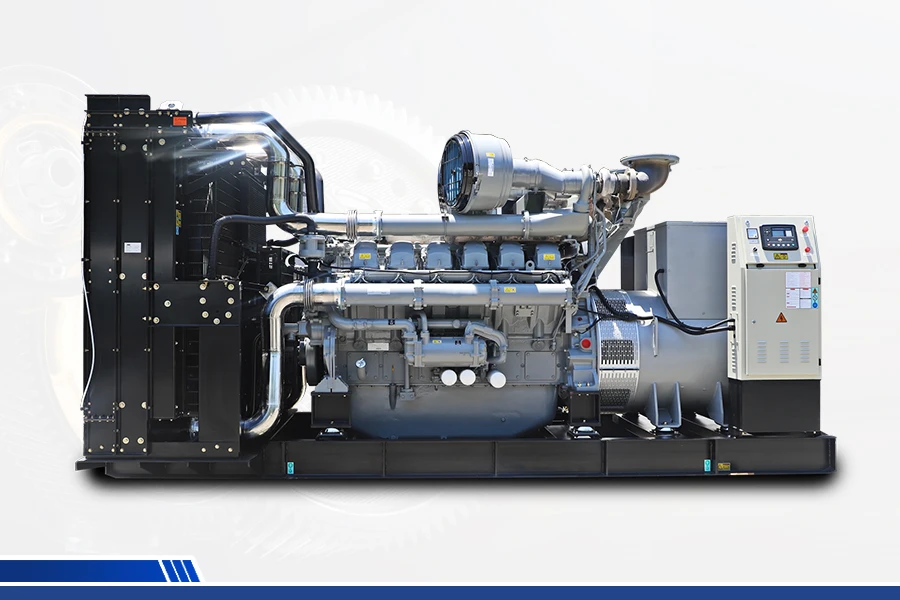
BLOG Megawatts BlogIntroducing the components of a diesel engineIntroducing the components of a diesel engine A diesel generator set is a type of internal combustion generator set and is currently one of the most widely used power generation devices in the world....
 -
Next Post:
 BLOG
Megawatts BlogWeichai 1000428205 vs. Fleetguard LF3345: A Real-World Performance ComparisonWhen comparing the Weichai 1000428205 vs Fleetguard LF3345 oil filters, choosing the right option depends on engine compatibility, filtration efficiency, and maintenance goals. This guide breaks down...
BLOG
Megawatts BlogWeichai 1000428205 vs. Fleetguard LF3345: A Real-World Performance ComparisonWhen comparing the Weichai 1000428205 vs Fleetguard LF3345 oil filters, choosing the right option depends on engine compatibility, filtration efficiency, and maintenance goals. This guide breaks down...
Read More
-
 BLOG
Megawatts BlogStrategic Sourcing: How to Build a Standardized Generator Sets Parts Catalog for Mixed FleetsManaging a mixed fleet of Cummins, Perkins, and Caterpillar generators often creates a hidden financial drain through inventory duplication and fragmented procurement. When different brands use differ...
BLOG
Megawatts BlogStrategic Sourcing: How to Build a Standardized Generator Sets Parts Catalog for Mixed FleetsManaging a mixed fleet of Cummins, Perkins, and Caterpillar generators often creates a hidden financial drain through inventory duplication and fragmented procurement. When different brands use differ... -
 BLOG
Megawatts BlogDiesel Generator Won't Crank: A Step-by-Step Electrical Diagnostic Checklist for MechanicsWhen a diesel generator won't crank, check the electrical system first. Do not chase fuel or mechanical theories yet. Low battery voltage and corroded connections cause most no-start condition calls....
BLOG
Megawatts BlogDiesel Generator Won't Crank: A Step-by-Step Electrical Diagnostic Checklist for MechanicsWhen a diesel generator won't crank, check the electrical system first. Do not chase fuel or mechanical theories yet. Low battery voltage and corroded connections cause most no-start condition calls.... -
 BLOG
Megawatts BlogMagnetic Coil Degradation: Why Your Diesel Engine Stop Solenoid Fails Under Extreme HeatExtreme heat is the primary enemy of a diesel engine stop solenoid. The heat breaks down the electrical insulation inside the magnetic coil. This degradation raises resistance and creates short circui...
BLOG
Megawatts BlogMagnetic Coil Degradation: Why Your Diesel Engine Stop Solenoid Fails Under Extreme HeatExtreme heat is the primary enemy of a diesel engine stop solenoid. The heat breaks down the electrical insulation inside the magnetic coil. This degradation raises resistance and creates short circui... -
 BLOG
Megawatts BlogThe Hidden Cost of Expired Inventory: Shelf Life and Proper Storage of Rubber Gasket Seal KitsA gasket seal kit sits untouched for five years. You paid for it. Now you pay to dispose of it. When a failure occurs, you pay a premium for emergency replacement. These hidden costs accumulate silent...
BLOG
Megawatts BlogThe Hidden Cost of Expired Inventory: Shelf Life and Proper Storage of Rubber Gasket Seal KitsA gasket seal kit sits untouched for five years. You paid for it. Now you pay to dispose of it. When a failure occurs, you pay a premium for emergency replacement. These hidden costs accumulate silent...
Subscribe to enjoy 10% off
Stay informed about new products and sales

-
INFORMATION
Contact Us
-
CHINA SALES OFFICE: No. 2-11, No. 8, Gaotai Road, Gaishan Investment Zone, Cangshan District, Fuzhou, Fujian
-
SAUDI ARABIA FACTORY: 7264 Shakra, Al Faisaliyyah, REFB3035, 3035, Riyadh 12883
-
COLOMBIA SALES OFFICE: 92-32 26th Street, 03-118, Bogota
-
NIGERIA FACTORY: Plot 5 Chivita Avenue Ajao Estate Isolo Lagos
-
Email:sales@megawattsparts.com
Follow Us


Copyright © 2025 Megawatts All Rights Reserved.



Select Previous Button or Search Directly on Search Bar!
Shop All
 English
Currency: <{ pagedata.current_currency }>(<{ pagedata.current_currency_code }>)
Are you in the right place?

You agree to MegaWatts.com's Terms of Use and Privacy Policy by subscribing. You may receive emails with useful tips, promotions, and offerings.
No, thanks. I'd rather pay full price.