





































The Danger of Reusing Hardware: Why New Fasteners Are Critical for Cylinder Head Rebuilds
by Megawatts - Updated At 2026-06-18
A successful engine rebuild hinges on one crucial detail: precise clamping force. Reusing old cylinder head fasteners—especially stretched bolts and deformed washers—is a direct ticket to blown head gaskets, compression leaks, and catastrophic engine failure. To avoid the nightmare of doing a costly rebuild twice, replacing your hardware is non-negotiable. Rely on precision-engineered fastener kits from Megawatts Parts to lock in your engine's reliability and performance right from the start.
The Role of Cylinder Head Fasteners
Function in Engine Assembly
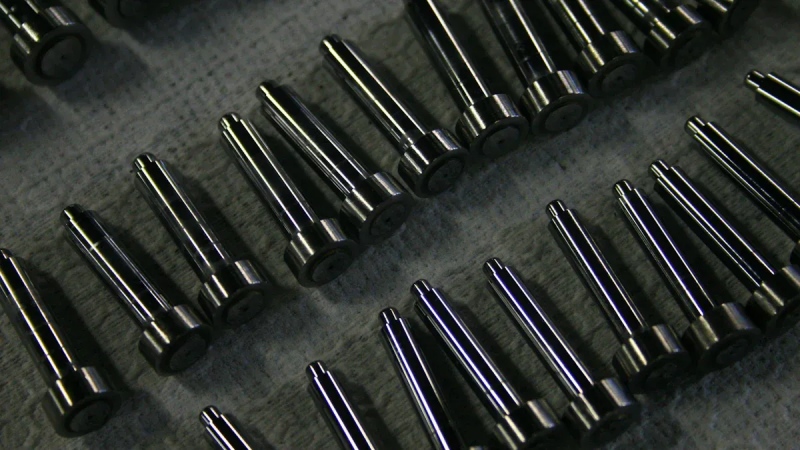
Cylinder head fasteners play a critical role in every performance engine. These components secure the cylinder head to the engine block, forming a tight seal that is essential for proper combustion and compression. The integrity of these fasteners directly affects the engine’s ability to contain the extreme pressures and temperatures generated during operation. Engines can experience pressures exceeding 1,000 psi and temperatures above 2,000°F. Without reliable cylinder head fasteners, the engine may lose compression, leak coolant or oil, and ultimately fail.
Properly torqued cylinder head bolts — tightened exactly to OEM specifications and in the correct sequence — are essential for:
- Leak-free operation
- Engine performance
- Safety at sea
- Long-term reliability
- Avoiding catastrophic failures
Experienced engineers often warn against reusing engine bolts or hardware during a rebuild. Even minor imperfections or stretching in fasteners can compromise the seal, creating uneven clamping force—one of the primary head gasket blowout causes. Using new, high-quality fasteners is a best practice for any performance engine rebuild.
Importance for Performance and Safety
Cylinder head fasteners are not just about holding parts together. They ensure the engine maintains optimal performance and safety under demanding conditions. When fasteners lose their clamping force, the risk of leaks, loss of power, and catastrophic engine failure increases dramatically. This is especially true for torque-to-yield bolts, which are designed for single use and must be replaced to maintain engine reliability.
Cylinder head fasteners:
- Hold the cylinder head firmly against the engine block
- Enable smooth combustion and power delivery
- Prevent coolant and oil leaks
- Eliminate common head gasket blowout causes, such as uneven clamping pressure
Selecting fasteners that meet or exceed OEM standards is crucial. Megawatts Parts supplies cylinder head fasteners that adhere to rigorous international standards, ensuring reliability for every engine rebuild.
|
Standard |
Description |
|
ISO 898-1:2013 |
Mechanical properties of carbon and alloy steel fasteners, including hardness and tensile strength. |
|
DIN EN ISO 4014/4017 |
Dimensional standards for metric hex bolts. |
|
ASTM A354 Grade BD |
American standard for quenched-and-tempered alloy-steel bolts, matching ISO class 10.9. |
|
EN 14399 Parts 1–10 |
European standard for high-strength structural bolting assemblies. |
|
GB/T 1228–1231 |
Chinese national standards for high-strength bolts, Grade 10.9S for infrastructure projects. |
Choosing Megawatts Parts for your engine rebuild hardware ensures you receive fasteners that deliver consistent performance and long-term safety.
Risks of Reusing Cylinder Head Bolts
Metal Fatigue and Stretching
Cylinder head bolts experience intense mechanical stress during every engine cycle. Each time the engine fires, the bolts undergo repeated loading and unloading. Over time, this cyclic stress causes metal fatigue. Fatigue cracks begin to form at the microscopic level, gradually propagating until the bolt loses structural integrity. Stretched bolts, especially torque-to-yield bolts, cannot return to their original length after reaching their yield point. This permanent elongation means the bolts no longer provide the necessary preload for consistent clamping force.
Experienced engineers emphasize the importance of inspecting bolts for signs of stretching or damage. Damaged bolts must be replaced immediately. Standard bolts may be reused only if they have not been stretched past their spring-back point, but this is rare in high-performance or heavily used engines. Torque-to-yield bolts are designed for single use and must always be replaced during head bolt installation.
Common risks associated with reusing cylinder head bolts include:
- Stretched bolts failing to provide proper preload
- Fatigue cracks leading to sudden bolt failure
- Damaged bolts causing cylinder head damage and expensive engine repair
Loss of Clamping Force
The primary function of cylinder head fasteners is to deliver consistent clamping force and maintain the seal between the cylinder head and engine block. When bolts lose preload due to stretching or fatigue, the clamping force drops below the required threshold. This loss compromises the head gasket, allowing leaks and reducing engine performance.
The tightening sequence during head bolt installation is critical. If bolts are reused and have lost their elasticity, even a precise tightening sequence cannot restore proper preload. Over-torquing can stretch bolts beyond their yield point, while under-torquing prevents bolts from reaching the necessary elongation. Both scenarios destroy sealing integrity.
|
Issue |
Explanation |
|
Clamping Force Loss |
Insufficient torque leads to bolts not achieving necessary elongation, compromising sealing integrity. |
|
Gasket Failure |
Inadequate clamping can cause immediate head gasket failure under load. |
|
Engine Damage |
Overstressed bolts can lead to cracked cylinder heads and uneven surface clamping. |
- Reusing old bolts that have been stretched past their limit can result in improper clamping.
- Leaks may develop, allowing coolant to escape and causing further engine issues.
- Failure to maintain torque can blow the head gasket, leading to significant engine damage.
The Hidden Threat of Reused Washers and Spacers
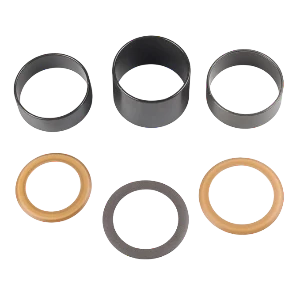
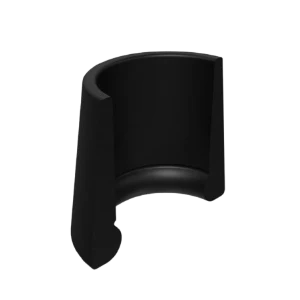
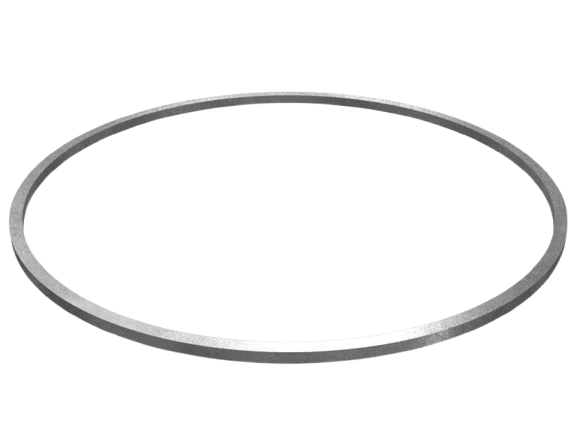
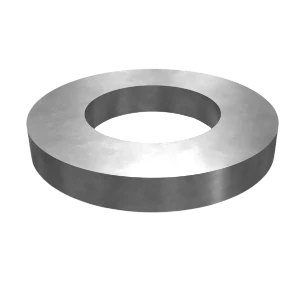
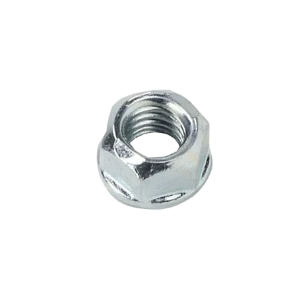
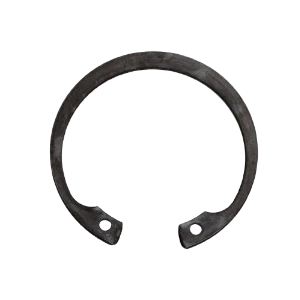
While replacing cylinder head bolts is a recognized priority, many engine builders overlook the critical role of washers and spacers. Washers are designed to distribute the immense clamping force evenly across the aluminum or cast-iron cylinder head. Under extreme torque and thermal cycles, these hardened steel components inevitably compress, dish, or suffer from microscopic surface galling.
If you pair a brand-new bolt with a reused, deformed washer, it introduces unpredictable friction during installation. This means your torque wrench will click before the bolt has actually achieved its required stretch (preload), resulting in insufficient and uneven clamping force. Similarly, worn spacers can alter the precise geometry of the valve train. While the cylinder head is disassembled, it is also the ideal time to inspect and replace fatigued springs to prevent valve float and maintain optimal engine timing.To guarantee true torque readings and perfectly even pressure distribution, replacing the entire hardware set—including bolts, washers, and spacers—is an absolute necessity, not an option.
Catastrophic Engine Failure
Improper preload and loss of clamping force can escalate quickly. The head gasket may fail under boost or high load, resulting in combustion gases escaping into the cooling system or oil passages. This scenario often leads to overheating, loss of compression, and severe engine damage. When coolant intrudes into the combustion chamber, it can quickly wash away lubrication, scoring the cylinder walls and forcing a complete replacement of your cylinder liner and piston kit. In extreme cases, the cylinder head may crack or warp, requiring costly engine repair or replacement.
Industry best practices recommend the following steps to avoid catastrophic failure:
Tips from experienced engineers:
- Inspect bolts thoroughly before reuse.
- Use a calibrated torque wrench for accuracy.
- Follow the specified tightening sequence and stages.
- Allow for settling time between torque stages if required.
- Replace damaged engine bolts immediately.
Bolts must pass length and condition inspection. Engines that have experienced severe overheating or unknown service history should always receive new fasteners. Any sign of damage or stretching means the bolt cannot provide the required preload for consistent clamping force. Reusing engine bolts directly triggers head gasket blowouts and leads to complete engine rebuild hardware failure.
The risks of reusing cylinder head bolts are clear. Metal fatigue, loss of preload, and improper tightening sequence all contribute to engine failure. Always use new fasteners to ensure reliable head bolt installation and protect your engine from costly repairs.
How Fasteners Degrade
Heat Cycles and Torque Effects
Cylinder head fasteners endure extreme conditions during every engine operation. Each cold start contracts the head, while warm-up triggers rapid expansion. Uneven heating causes different areas to expand at varying rates. At operating temperature, maximum expansion occurs. Shutdown initiates contraction, and cool down returns the head to its original state. These repeated heat cycles place significant stress on fastener strength and fatigue strength.
- Cold start: contraction
- Warm-up: rapid expansion
- Uneven heating: variable expansion rates
- Operating temp: maximum expansion
- Shutdown: contraction begins
- Cool down: return to contracted state
Every cycle weakens the fasteners. Progressive loosening occurs when bolts are under- or over-torqued. Uneven load distribution results from incorrect torque specifications, creating stress concentrations across mating surfaces. Secondary components experience abnormal forces due to improperly torqued joints. Repairs may temporarily restore function, but hidden damage persists. Over thousands of cycles, micro-movements amplify, degrading fatigue strength and torsion strength.
Material Fatigue Over Time
Material fatigue accumulates as fasteners repeatedly absorb mechanical and thermal loads. Fatigue strength diminishes, making bolts susceptible to cracks and elongation. Over time, the engine’s vibration and heat cycles accelerate this process. Torque-to-yield bolts are especially vulnerable. These bolts stretch intentionally during installation, achieving precise preload. Once stretched, they cannot reliably reproduce the same preload if reused.
"Once torque-to-yield bolts have been stretched, they cannot reliably reproduce the same preload. Reusing them reduces clamping force and significantly increases the likelihood of joint failure after reassembly."
"Torque-to-yield (TTY) head bolts are designed to stretch when used. Once stretched, they are not as strong as before. Consequently, they cannot provide the same amount of clamping force and may break or shear off if reused."
"If a bolt is overtightened and stretched beyond its yield point, it can never again achieve its full clamping potential, and if reused may break."
Experienced engineers recommend replacing torque-to-yield bolts during every rebuild. This practice addresses root head gasket blowout causes and ensures the new engine rebuild hardware maintains optimal fatigue strength. Using new fasteners preserves fastener strength and protects the engine from costly failures.
Benefits of New Cylinder Head Fasteners
Reliability and Longevity
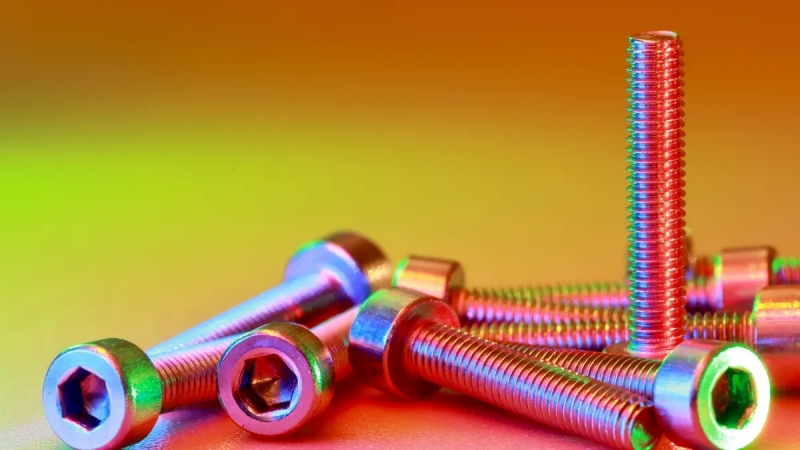
New cylinder head fasteners deliver unmatched reliability for every engine rebuild. Engineers consistently recommend replacing fasteners to maintain optimal clamping force. This practice prevents premature failures and ensures the engine operates at peak performance. Even the highest quality cylinder head can fail if the bolts do not provide precise clamping force. Consistent torque and correct installation are essential for maintaining power and reliability over time. Upgrading to premium fasteners ensures that your cylinder head maintains consistent clamping force throughout the engine’s life cycle.
- New fasteners maintain consistent clamping force throughout the engine’s life cycle.
- Replacement of cylinder head fasteners reduces the risk of fatigue-related failures.
- High-quality aftermarket or OEM-matching fasteners support long-term engine performance.
Repeated studies and industry experience show that engines rebuilt with new fasteners have significantly lower failure rates compared to those using reused hardware. Reusing torque-to-yield bolts increases the risk of engine failure, as these bolts cannot return to their original length after heat cycles. Head gasket manufacturers warn against reusing these bolts, highlighting the importance of new fasteners for reliability.
Tip: Always use new cylinder head fasteners during an engine rebuild. This practice protects against unexpected breakdowns and maximizes the lifespan of your engine.
Proper Sealing and Leak Prevention
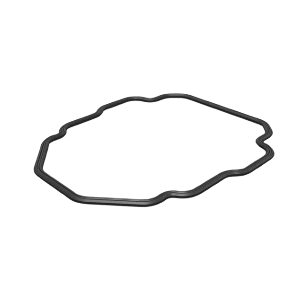
Effective sealing is critical for preventing leaks and maintaining engine integrity. New cylinder head fasteners ensure the head gasket remains tightly compressed, preserving the seal between the cylinder head and engine block. Advanced materials and manufacturing techniques enhance gasket performance under extreme conditions.
|
Evidence Description |
Impact on Sealing and Leak Prevention |
|
Use of advanced polymers and impregnation techniques |
Enhances gasket performance, critical for effective seals under high pressure and temperature conditions. |
|
New saturating materials |
Deliver superior performance at elevated temperatures, enhancing gasket stability. |
|
Improved chemical interaction |
Boosts hydrophobic and anti-adhesive features of the soft material layer, improving sealing efficiency. |
|
Removal of excess saturating agents before polymerization |
Ensures smooth metallic rims, preventing groove formation and preserving optimal sealing performance. |
New fasteners provide uniform clamping force, preventing coolant and oil leaks. Proper sealing reduces the risk of head gasket blowout causes and protects the engine from costly repairs. Engineers emphasize that even minor imperfections in reused fasteners can compromise sealing, leading to leaks and performance loss.
Note: Sourcing cylinder head fasteners from Megawatts Parts ensures you receive products engineered for durability, safety, and optimal clamping force. This investment protects your engine and prevents future failures.
Myths and Best Practices for Fasteners
Common Myths About Reuse
Many engine builders believe that reusing stock fasteners is safe if the bolts appear undamaged. This misconception persists despite clear evidence to the contrary. Some assume that cleaning and retorquing old bolts will restore their original strength. Others think that only high-performance engines require new fasteners. These myths can lead to serious engine problems.
Tip: Even minor stretching or invisible fatigue in reused bolts can compromise the seal, resulting in leaks or catastrophic failure.
Professionals warn that reusing fasteners, especially torque-to-yield bolts, directly contributes to the most common head gasket blowout causes. Bolts designed to stretch during installation cannot provide consistent clamping force after removal. Inferior or mismatched bolts may also cause uneven pressure, leading to gasket failure or head warping.
Manufacturer Recommendations
Engine manufacturers universally recommend replacing cylinder head fasteners during every rebuild. Ignoring these guidelines can result in severe consequences. The following table summarizes the risks of not following manufacturer advice:
|
Risk of Ignoring Recommendations |
Consequence |
|
Blown head gaskets |
Costly repairs and engine failure |
|
Head gasket leaks |
Compression loss |
|
Hot spots between cylinders |
Coolant intrusion into cylinders |
|
Exhaust gases entering cooling system |
Premature head gasket failure |
|
Misalignment between head and block |
Engine damage |
Professionals emphasize that proper maintenance, including fastener replacement, is critical for engine longevity. Cylinder head fasteners, particularly torque-to-yield types, are engineered to stretch within a controlled range. Reusing them can compromise the seal and risk stretching beyond safety limits.
Sourcing Quality Fasteners
Selecting the right supplier for engine rebuild hardware is essential. Megawatts Parts provides fasteners that meet OEM standards, ensuring consistent performance and safety. Customers benefit from rigorous quality control, competitive pricing, and global support. Choosing a trusted source like Megawatts Parts helps prevent costly failures and ensures peace of mind for every rebuild.
Note: Always follow manufacturer recommendations and source quality fasteners from reputable suppliers to protect your engine investment.
New cylinder head fasteners are essential for every engine rebuild. Reusing engine bolts is a primary head gasket blowout cause and often leads to complete engine failure. Consider these critical points:
- Bolts with visible damage can fail and cause significant engine damage.
- Reusing torque-to-yield bolts leads to unreliable clamping and costly repairs.
- Old hardware often results in gasket failure.
Choose Megawatts Parts for quality engine rebuild hardware. Prioritize safety and reliability with every repair.
FAQ
What are the main risks of reusing engine bolts during a cylinder head rebuild?
Reusing engine bolts can lead to loss of clamping force, head gasket blowout causes, and even catastrophic engine failure. Fatigue and stretching compromise the integrity of the fasteners. Always replace bolts to ensure engine rebuild hardware performs reliably.
Why must torque-to-yield bolts be replaced every time?
Torque-to-yield bolts stretch permanently during installation. Reusing them prevents proper preload and can cause leaks or head gasket failure. Expert engineers recommend always installing new torque-to-yield bolts for each rebuild.
How do new cylinder head fasteners prevent leaks?
New cylinder head fasteners provide uniform clamping force. This ensures the head gasket seals correctly, preventing coolant and oil leaks. Proper sealing reduces the risk of engine damage and improves long-term reliability.
Can I visually inspect bolts to decide if they are reusable?
Visual inspection cannot reveal internal fatigue or microscopic stretching. Even bolts that look undamaged may fail under stress. Industry best practice is to replace all cylinder head fasteners during an engine rebuild.
Where can I source reliable engine rebuild hardware?
Megawatts Parts supplies high-quality cylinder head fasteners and engine rebuild hardware. All products meet or exceed OEM standards. Visit Megawatts Parts for trusted solutions and expert support.
Previous And Next
-
Previous Post:
 BLOG
BLOG Megawatts BlogIntroducing the components of a diesel engineIntroducing the components of a diesel engine A diesel generator set is a type of internal combustion generator set and is currently one of the most widely used power generation devices in the world....
 -
Next Post:
 BLOG
Megawatts BlogGenerator hunting and surging: Troubleshooting speed sensors and electronic actuatorsGenerator hunting and surging often result from issues with speed sensors or electronic actuators. These problems can cause the generator to fluctuate in speed or output, leading to unstable operation...
BLOG
Megawatts BlogGenerator hunting and surging: Troubleshooting speed sensors and electronic actuatorsGenerator hunting and surging often result from issues with speed sensors or electronic actuators. These problems can cause the generator to fluctuate in speed or output, leading to unstable operation...
Read More
-
 BLOG
Megawatts BlogThe Hidden Cost of Expired Inventory: Shelf Life and Proper Storage of Rubber Gasket Seal KitsA gasket seal kit sits untouched for five years. You paid for it. Now you pay to dispose of it. When a failure occurs, you pay a premium for emergency replacement. These hidden costs accumulate silent...
BLOG
Megawatts BlogThe Hidden Cost of Expired Inventory: Shelf Life and Proper Storage of Rubber Gasket Seal KitsA gasket seal kit sits untouched for five years. You paid for it. Now you pay to dispose of it. When a failure occurs, you pay a premium for emergency replacement. These hidden costs accumulate silent... -
 BLOG
Megawatts BlogCombating Diesel Bug: How Your Fuel Water Separator Filter Prevents Sludge and Microbial GrowthHave you noticed your engine struggling to start, fuel filters clogging more often, or dark sludge in the fuel system? These symptoms indicate diesel bug—microbial contamination that thrives on...
BLOG
Megawatts BlogCombating Diesel Bug: How Your Fuel Water Separator Filter Prevents Sludge and Microbial GrowthHave you noticed your engine struggling to start, fuel filters clogging more often, or dark sludge in the fuel system? These symptoms indicate diesel bug—microbial contamination that thrives on... -
 BLOG
Megawatts BlogComplete Water Pump Assemblies vs. Pressing Bearings: The Most Cost-Effective Repair StrategyFor most drivers and equipment operators, complete water pump assemblies are the most cost-effective repair for the engine's cooling system. When deciding between a full water pump replacement or pres...
BLOG
Megawatts BlogComplete Water Pump Assemblies vs. Pressing Bearings: The Most Cost-Effective Repair StrategyFor most drivers and equipment operators, complete water pump assemblies are the most cost-effective repair for the engine's cooling system. When deciding between a full water pump replacement or pres... -
 BLOG
Megawatts BlogWinter Emergencies: Why Your Diesel Generator Won't Crank in Sub-Zero TemperaturesDarkness descends as a relentless blizzard knocks out power. You shuffle to the unit, press the start button, and hear a single sluggish click. Your generator won't crank. In sub-zero temperatures, th...
BLOG
Megawatts BlogWinter Emergencies: Why Your Diesel Generator Won't Crank in Sub-Zero TemperaturesDarkness descends as a relentless blizzard knocks out power. You shuffle to the unit, press the start button, and hear a single sluggish click. Your generator won't crank. In sub-zero temperatures, th...
Subscribe to enjoy 10% off
Stay informed about new products and sales

-
INFORMATION
Contact Us
-
CHINA SALES OFFICE: No. 2-11, No. 8, Gaotai Road, Gaishan Investment Zone, Cangshan District, Fuzhou, Fujian
-
SAUDI ARABIA FACTORY: 7264 Shakra, Al Faisaliyyah, REFB3035, 3035, Riyadh 12883
-
COLOMBIA SALES OFFICE: 92-32 26th Street, 03-118, Bogota
-
NIGERIA FACTORY: Plot 5 Chivita Avenue Ajao Estate Isolo Lagos
-
Email:sales@megawattsparts.com
Follow Us


Copyright © 2025 Megawatts All Rights Reserved.



Select Previous Button or Search Directly on Search Bar!
Shop All
 English
Currency: <{ pagedata.current_currency }>(<{ pagedata.current_currency_code }>)
Are you in the right place?

You agree to MegaWatts.com's Terms of Use and Privacy Policy by subscribing. You may receive emails with useful tips, promotions, and offerings.
No, thanks. I'd rather pay full price.