















































Winter Emergencies: Why Your Diesel Generator Won't Crank in Sub-Zero Temperatures
by Megawatts - Updated At 2026-09-08
Darkness descends as a relentless blizzard knocks out power. You shuffle to the unit, press the start button, and hear a single sluggish click. Your generator won't crank. In sub-zero temperatures, the cold attacks three crucial systems simultaneously: the battery, engine oil, and fuel. Understanding these compounding failures is the first step toward true preparedness. In this guide, the engineering team at Megawatts Parts breaks down the science behind cold-weather starting failures, provides immediate restoration steps, and outlines a comprehensive winterization strategy. By equipping your system with the right preventive components—from reliable battery warmers and synthetic engine oil to premium fuel filters and heavy-duty block heaters—you can guarantee reliable cranking when you need it most.
Why Your Generator Won't Crank: The Three Main Culprits
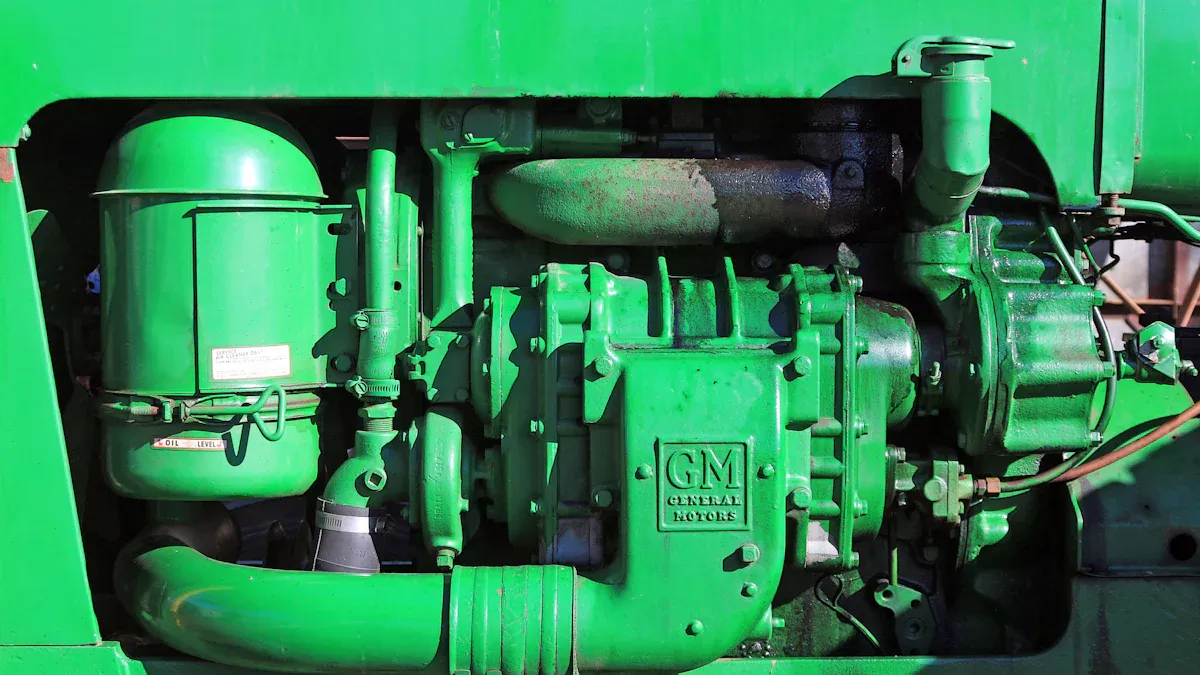
When a generator refuses to start in freezing weather, three distinct problems are almost always at work. These issues do not operate in isolation. A weak battery struggles to deliver enough current. Thickened oil resists movement inside the engine. Gelled fuel clogs the delivery system. Each problem compounds the others. The generator won't crank because three forces combine to stop it. The battery cannot turn an engine filled with thick oil. The starter motor demands extra power it cannot receive. Understanding these compounding failures is the first step toward solving them.
Battery Failure: The Chemistry of Cold Cranking Amps
Cold temperatures fundamentally alter how a lead-acid battery performs. The electrolyte inside the battery becomes more viscous as the mercury drops. This change raises internal impedance significantly. It reduces both the current and voltage the battery can supply. The result is a dramatic loss of available power at the moment the engine needs it most.
The numbers tell a clear story about this failure. At 27°C, a battery delivers 100% of its rated power. The engine requires normal power to turn over. At 0°C, the battery supplies only 65% of its rated capacity, a 35% drop. The engine requires 150% more power to crank because thickened fluids create extra resistance. At -18°C, the battery supplies just 40% of its rated power, a 60% drop. The engine demands 210% more power. At -29°C, the battery delivers only 25% of its rated power, while the engine requires 350% more power to rotate. The gap between available and required power grows as temperature falls. A warm battery delivers full current. A cold battery cannot. This is simple chemistry with real consequences when the lights go out.
This imbalance explains why a battery that starts the unit easily in autumn will fail during a winter storm. The battery cannot supply enough current to meet increased demand. This is a classic battery failure scenario. One experienced technician recommends testing battery condition before winter arrives. A load test reveals the battery's true state. Do not rely on voltage alone.
Oil Thickening: How Viscosity Creates Resistance
Engine oil behaves differently at low temperatures. Lubricants thin as they heat up. They thicken as they cool down. This temperature-viscosity relationship directly impacts starting performance.
When oil viscosity becomes too high during startup, oil resists flowing through narrow galleries. Critical components like main bearings, rod bearings, and turbocharger journals starve for lubrication. Thick oil also increases parasitic drag on the crankshaft. The starter motor and battery must work harder to overcome this resistance. One experienced engineer describes this as trying to spin a paddle through cold honey. Cranking speed slows down. Ignition delays as a result.
The compounding effect is severe. A battery already weakened by cold must supply extra power to turn an engine filled with thick oil. The starter motor struggles against both problems simultaneously. This combined load often prevents the engine from reaching the minimum speed required for ignition.
Cold diesel starts require careful planning. Starting a diesel engine in winter demands attention to oil grade. Many operators switch to a lower-viscosity synthetic oil for winter operation. This change reduces drag and improves flow during startup. The oil still provides adequate protection once the engine reaches operating temperature.
Fuel also plays a role in these failures. The next section covers fuel gelling and ignition problems in detail. For now, remember that battery, oil, and fuel form a chain. A weakness in any link prevents the unit from starting.
Fuel and Ignition: The Hidden Obstacles to Starting
Diesel Fuel Gelling: The Cloud Point and CFPP Problem
Diesel behavior changes dramatically as temperature drops. Paraffin wax crystals form inside the fuel. These crystals block filters and lines. The engine starves for fuel. This is diesel fuel gelling. Two technical terms define the problem. Cloud point marks the temperature where wax crystals first become visible. Cold Filter Plugging Point (CFPP) indicates the temperature where fuel cannot flow through a filter.
|
Parameter |
Description |
|
Cloud Point |
Temperature at which wax crystals become visible, indicating onset of solid formation. |
|
Cold Filter Plugging Point (CFPP) |
Temperature at which fuel can no longer flow through a filter, reflecting actual operability. |
The progression follows a predictable path. Wax crystals form at cloud point. They grow and cluster at CFPP. Filters clog and flow restricts. The fuel becomes gel-like at pour point. Lines fill with solid waxy mass.
Gelled diesel fuel can block filters and lines, which both starves your engine and leads to hard starts, no starts, and operational downtime.
Winter-grade diesel solves this problem. Additives lower the CFPP. Operators must verify fuel ratings before winter. Standard diesel invites fuel gelling and a no-start condition.
Glow Plugs and Control Panels: Critical Failure Points
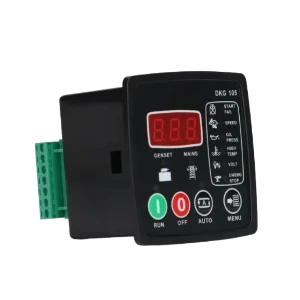
Diesel engines require high compression heat for ignition. Glow plugs provide preheating. These elements reach temperatures around 1,000°C within seconds. Modern engines with functioning glow plugs can start in temperatures as low as -30°F. A failed glow plug causes hard starts. The control panel may fail to send the preheat signal. The indicator light signals the preheating cycle. Waiting for the light to extinguish before cranking is crucial.
Block heaters also play a role. They warm the engine coolant and reduce oil viscosity. A failed block heater means the engine stays cold. The generator won't crank because thick oil and cold combustion chambers combine to stop rotation. Control panel relays or sensors can also fail. The engine never receives the preheat it needs. Regular testing of both glow plugs and block heaters before winter prevents these failures.
Immediate Solutions: Restoring Cold Weather Performance
When your generator won't crank, swift action matters. The right sequence of steps can restore power without causing further damage. Begin with the battery, then address fuel issues. These procedures restore cold weather performance safely.
Step-by-Step: Safely Jumpstarting and Warming the Battery
🚨 CRITICAL SAFETY WARNING: EXPLOSION RISK
Do not attempt to jump-start or charge a battery if the electrolyte is frozen. Ice expansion can crack the case and severely damage internal plates. Attempting to jump-start a frozen battery poses a severe explosion risk. Always physically inspect the battery for a bulging case or visible ice before proceeding with any electrical troubleshooting.
|
State of Charge |
Freezing Point |
|
Fully Charged (12.6V+) |
-76°F |
|
50% Charged (12.2V) |
-10°F |
|
Discharged (11.9V or below) |
20°F |
A discharged battery freezes at much higher temperatures than a charged one. If the case appears swollen, move the battery to a heated location above 40°F and allow 24 hours for thawing.
Follow this sequence for a safe jumpstart:
- Pre-inspection: Examine the battery case for cracks, bulges, or ice formation. If frozen, thaw completely before proceeding.
- Cable connection order: Connect positive clamp to dead battery, positive clamp to donor battery, negative clamp to donor battery, then negative clamp to a metal engine ground on the dead unit. Never connect to the dead battery's negative terminal.
- Warm-up time: Run the donor vehicle at elevated RPM for 10 minutes in extreme cold to transfer sufficient charge.
- Glow plug protocol: Turn the key to ON, not START. Wait for the glow plug light to extinguish, typically 30-60 seconds. Repeat this cycle 2-3 times before cranking.
- Cranking limits: Crank the diesel engine for a maximum of 10 seconds per attempt. Wait 30 seconds between attempts. Do not exceed 3 total attempts.
- Post-start action: Let the engine idle for several minutes to allow oil circulation before applying any load.
A dedicated battery warmer pad reduces strain during cold diesel starts. These devices maintain electrolyte temperature and preserve cranking power.
Quick Fixes: Thawing Fuel Filters and Using Additives
Fuel gelling blocks filters and starves the engine. Emergency additives dissolve wax crystals and restore flow. Products like Diesel Winter Rescue reliquefy gelled fuel and de-ice frozen filters, often allowing starts within 30 minutes.
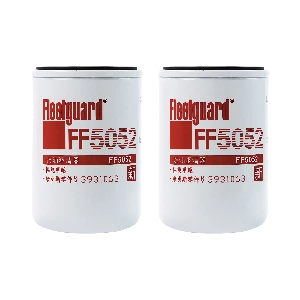
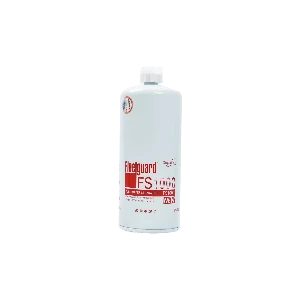
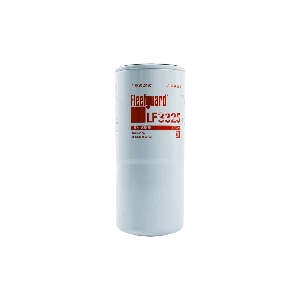
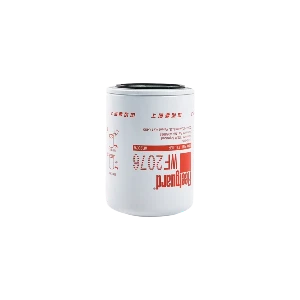
Gently warm the fuel system with a room heater in a warm space to thaw slush, but avoid direct flames near fuel. If filters remain clogged, replace them.If filters remain clogged, replace them immediately with premium fuel filters designed to maintain optimal flow in freezing conditions.
For severe cases, remove the fuel filters and fill each with a 50/50 blend of emergency additive and diesel fuel. Reinstall and wait several minutes for the solution to work through gelled lines. Start the engine and allow full warm-up before normal operation.
Preventive winter fuel additives lower the cold filter plugging point. Anti-gel additives stop clump formation and ensure free flow at low temperatures. Adding treatment before the temperature drops prevents this failure entirely.
Block heaters also deserve attention. A functioning block heater warms the engine coolant, reduces oil viscosity, and eases cranking. Test the heater before winter arrives. This troubleshooting cold start failures approach addresses the root causes: battery weakness, oil thickening, and fuel gelling. Each component plays a role in overall performance. Addressing all three ensures reliable operation when temperatures plummet.
Preventive Maintenance: Ensuring Reliable Starting Diesel Engines
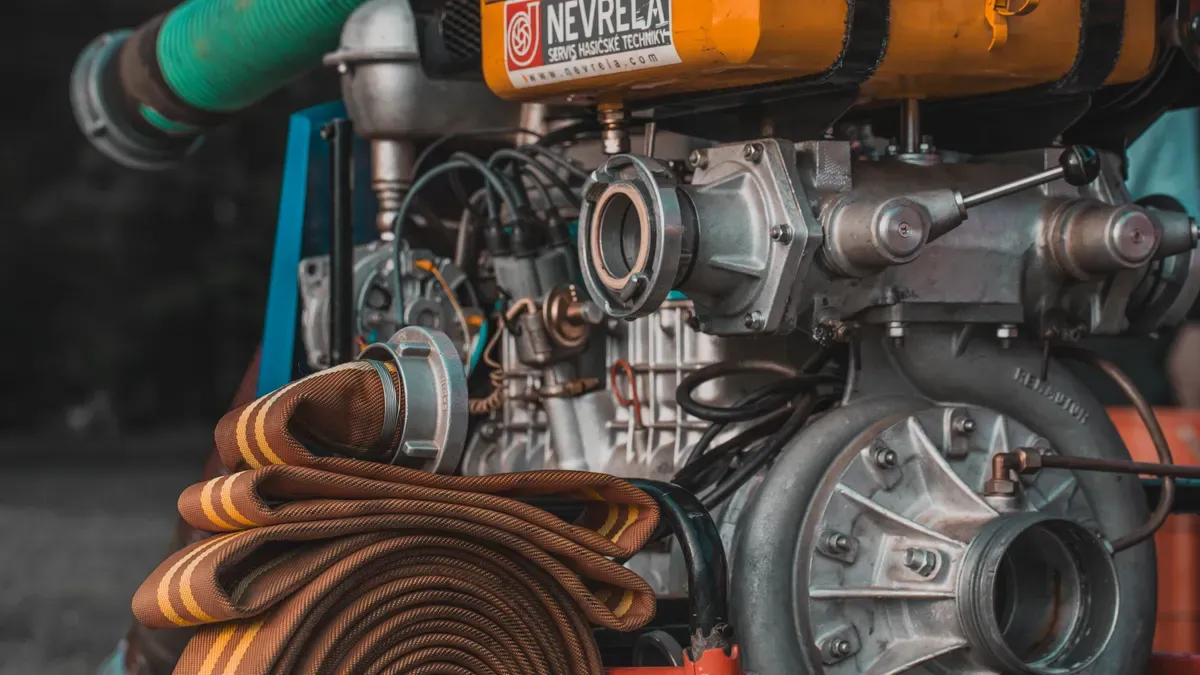
A generator that finally starts after repeated attempts sends a clear warning. The underlying weakness remains. Battery chemistry, oil viscosity, and fuel quality all degrade further with each cold cycle. The next storm will expose the same failure. Proactive preparation prevents this cycle entirely.
Related Reading: Looking for a broader maintenance strategy? Check out our comprehensive guide on winterizing your heavy machinery and the essential parts to check before the cold hits.
The Fall Checklist: Battery, Oil, and Fuel System Checks
Fall maintenance determines winter reliability. Begin with the battery. Cold weather reduces battery capacity by 20% at freezing and 50% at zero degrees Fahrenheit. Replace diesel generator batteries every three years regardless of appearance. Internal capacity degrades silently. Perform a load test during spring maintenance. A healthy 12V battery should read at least 12.6V when off. Conduct a mandatory pre-season test before winter. Replace any battery that tests below 80% of its rated Cold Cranking Amps. Clean terminals with a baking soda solution. Coat them with petroleum jelly to prevent corrosion.
Oil demands equal attention. Switch to a lower-viscosity synthetic oil for winter operation. This change reduces drag during startup. The oil still protects once the engine reaches operating temperature. Check oil level after a 10-minute cool-down period.
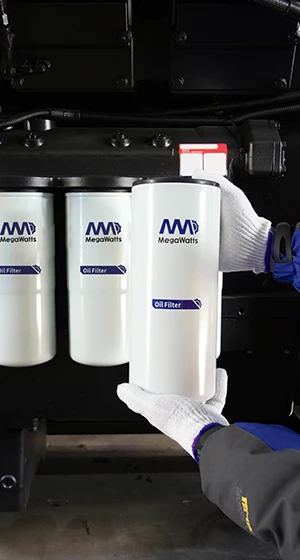
Fuel systems require thorough inspection. Drain water from the tank periodically. Inspect lines for wear. Add a fuel conditioner to disperse water and prevent gelling. Winterized fuel blends and anti-gel additives lower the cold filter plugging point. Exercise the generator monthly for at least 30 minutes, loaded to one-third of the nameplate rating. This practice keeps parts lubricated and fuel fresh. Check coolant levels on a cool engine. Maintain a balanced mixture of water, antifreeze, and additives. Stock up on cold-weather engine filters and fluids before the temperature drops to ensure your system is fully optimized for sub-zero operation.
These critical maintenance steps address the three culprits directly. When replacement parts become necessary, Megawatts Parts offers a comprehensive range of engine components, filters, and electrical systems for major diesel brands. Our extensive inventory ensures you have exactly what you need for a permanent fix to any winter-related failure.
The Best Defense: Installing and Testing Engine Heaters
Block heaters provide the most effective defense against cold starts. NFPA regulations require all standby generators to operate within ten seconds following a power outage. An engine block heater maintains coolant temperature between 100-120°F. This ensures compliance and prevents damage from cold starts.
Pre-warmed oil circulates efficiently. The battery and starter motor face reduced strain. Engines reach optimal operating temperature faster. Fuel consumption drops during warm-up. Emissions decrease because combustion occurs efficiently. Condensation inside the engine sump reduces when the engine stays warmer than ambient air.
Test the block heater before winter arrives. Verify the heating element draws power. Confirm the coolant reaches the target temperature range. A failed heater leaves the engine cold and vulnerable. Regular testing of both glow plugs and block heaters prevents unexpected failures.
Winter-ready diesel generators depend on this preparation. The performance of each component matters. Battery strength, oil flow, and fuel delivery all improve with proper maintenance. Starting diesel engines reliably in sub-zero conditions requires this complete approach. Cold weather performance comes from preparation, not luck.
A frozen diesel engine is rarely the result of a single failure; it is the combined effect of battery strain, thickened oil, and gelled fuel. While emergency triage—such as warming the battery or applying fuel treatments—might force a start during a crisis, surviving a hard start is a warning rather than a permanent fix. The system's underlying vulnerabilities remain. True winter reliability demands proactive preparation before the temperature drops. Upgrading your generator now with high-quality components is a minor investment compared to the massive cost of unexpected downtime. As your dedicated parts supplier, Megawatts Parts provides exactly what you need to winter-proof your equipment. Browse our inventory of heavy-duty engine block heaters, premium fuel filters, and electrical components today to keep your diesel generator running flawlessly through the freeze.
FAQ
How cold does it need to be for diesel fuel to gel?
Diesel fuel begins forming wax crystals at its cloud point, typically around -10°C for winter blends. The Cold Filter Plugging Point, where fuel cannot pass through filters, usually sits several degrees lower. Standard summer diesel can gel at much higher temperatures, making seasonal fuel selection critical.
Can I use starting fluid to help my diesel generator start in extreme cold?
Starting fluid is risky for diesel engines. It ignites prematurely and can damage pistons, rings, and glow plugs. Instead, address the root causes: warm the battery, use a block heater, and treat the fuel with anti-gel additives. These solutions protect the engine while restoring reliable starting.
Why does my generator crank slowly even with a new battery?
A new battery delivers full Cold Cranking Amps at room temperature. At sub-zero temperatures, battery chemistry slows dramatically, reducing available power by up to 60 percent. Simultaneously, thickened oil increases resistance. Together, these factors force the starter to work harder than the battery can support.
How long should I run my diesel generator after a cold start?
Run the engine at low idle for five to ten minutes after a successful cold start. This period allows oil to circulate through bearings and turbochargers before load application. Apply load gradually. Shutting down too quickly traps condensation in the engine, promoting internal corrosion.
What temperature does a block heater maintain for reliable winter starting?
A properly functioning block heater maintains coolant temperature between 100-120°F. This warmth keeps oil fluid and reduces cranking resistance significantly. Test the heater before winter arrives. A failed heater leaves the engine cold, forcing the battery and starter to overcome thick oil resistance alone.
Previous And Next
-
Previous Post:
 BLOG
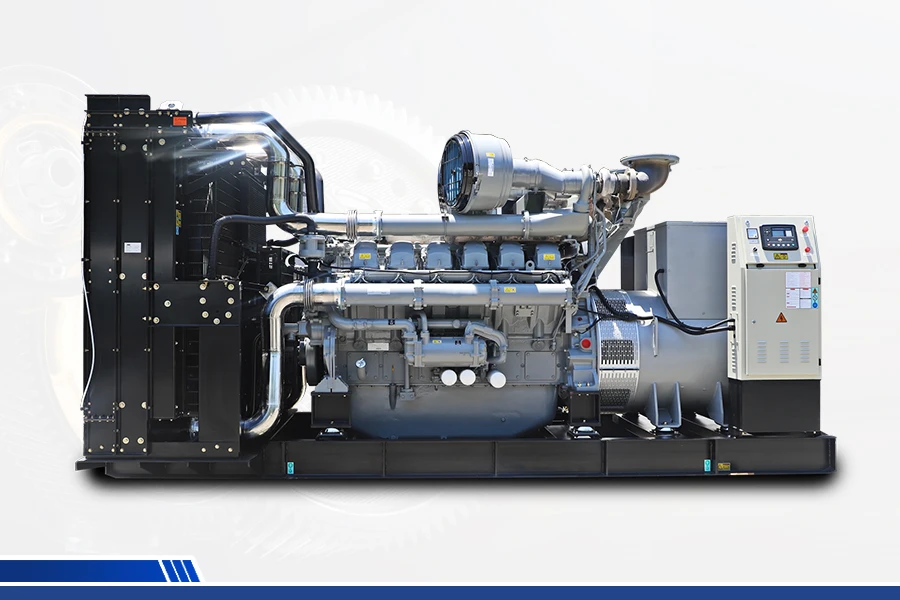
BLOG Megawatts BlogIntroducing the components of a diesel engineIntroducing the components of a diesel engine A diesel generator set is a type of internal combustion generator set and is currently one of the most widely used power generation devices in the world....
 -
Next Post:
 BLOG
Megawatts BlogComplete Water Pump Assemblies vs. Pressing Bearings: The Most Cost-Effective Repair StrategyFor most drivers and equipment operators, complete water pump assemblies are the most cost-effective repair for the engine's cooling system. When deciding between a full water pump replacement or pres...
BLOG
Megawatts BlogComplete Water Pump Assemblies vs. Pressing Bearings: The Most Cost-Effective Repair StrategyFor most drivers and equipment operators, complete water pump assemblies are the most cost-effective repair for the engine's cooling system. When deciding between a full water pump replacement or pres...
Read More
-
 BLOG
Megawatts BlogMagnetic Pickup (MPU) Sensors: How to Diagnose and Adjust Speed Sensor ClearancesMost speed-sensing faults on Magnetic Pickup (MPU) Sensors trace back to one thing: the air gap between the sensor tip and the target tooth. Diagnosis starts with the symptoms — no signal, errat...
BLOG
Megawatts BlogMagnetic Pickup (MPU) Sensors: How to Diagnose and Adjust Speed Sensor ClearancesMost speed-sensing faults on Magnetic Pickup (MPU) Sensors trace back to one thing: the air gap between the sensor tip and the target tooth. Diagnosis starts with the symptoms — no signal, errat... -
 BLOG
Megawatts BlogTier 4 Final & Common Rail Systems: Why Micro-Contamination Destroys Modern Diesel InjectorsMicro-contamination destroys modern diesel injectors because Tier 4 Final common rail systems run at extreme pressure with micron-level tolerances. Debris that bypasses filtration scores precision com...
BLOG
Megawatts BlogTier 4 Final & Common Rail Systems: Why Micro-Contamination Destroys Modern Diesel InjectorsMicro-contamination destroys modern diesel injectors because Tier 4 Final common rail systems run at extreme pressure with micron-level tolerances. Debris that bypasses filtration scores precision com... -
 BLOG
Megawatts BlogJIT Inventory vs. Safety Stock: Balancing Capital and Risk in Generator MaintenanceThe right approach is a deliberate, risk-based balance between JIT inventory and safety stock, not a pure companywide choice. Can you afford to tie up cash in every spare part, or risk a costly outage...
BLOG
Megawatts BlogJIT Inventory vs. Safety Stock: Balancing Capital and Risk in Generator MaintenanceThe right approach is a deliberate, risk-based balance between JIT inventory and safety stock, not a pure companywide choice. Can you afford to tie up cash in every spare part, or risk a costly outage... -
 BLOG
Megawatts BlogTotal Cost of Ownership (TCO) in Fleet Maintenance: Hidden Logistics Costs of Sourcing Multiple OEMsWhat hidden logistics costs emerge when sourcing multiple OEMs? How heavily do they weigh on Total Cost of Ownership (TCO) in Fleet Maintenance? A fleet manager compares two identical parts at differe...
BLOG
Megawatts BlogTotal Cost of Ownership (TCO) in Fleet Maintenance: Hidden Logistics Costs of Sourcing Multiple OEMsWhat hidden logistics costs emerge when sourcing multiple OEMs? How heavily do they weigh on Total Cost of Ownership (TCO) in Fleet Maintenance? A fleet manager compares two identical parts at differe...
Subscribe to enjoy 10% off
Stay informed about new products and sales

-
INFORMATION
Contact Us
-
CHINA SALES OFFICE: No. 2-11, No. 8, Gaotai Road, Gaishan Investment Zone, Cangshan District, Fuzhou, Fujian
-
SAUDI ARABIA FACTORY: 7264 Shakra, Al Faisaliyyah, REFB3035, 3035, Riyadh 12883
-
COLOMBIA SALES OFFICE: 92-32 26th Street, 03-118, Bogota
-
NIGERIA FACTORY: Plot 5 Chivita Avenue Ajao Estate Isolo Lagos
-
Email:sales@megawattsparts.com
Follow Us


Copyright © 2025 Megawatts All Rights Reserved.



Select Previous Button or Search Directly on Search Bar!
Shop All
 English
Currency: <{ pagedata.current_currency }>(<{ pagedata.current_currency_code }>)
Are you in the right place?

You agree to MegaWatts.com's Terms of Use and Privacy Policy by subscribing. You may receive emails with useful tips, promotions, and offerings.
No, thanks. I'd rather pay full price.