
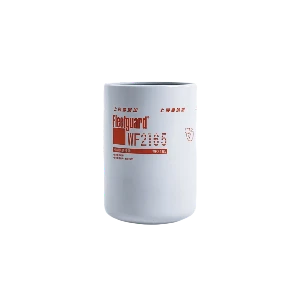
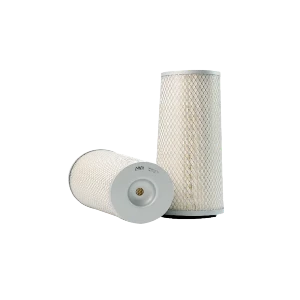
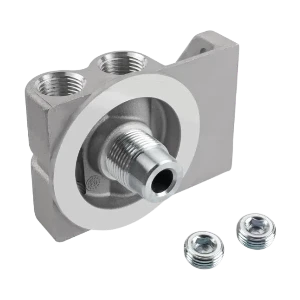
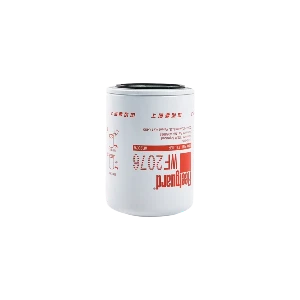







































When to Replace Fuel Water Separator? 5 Signs of Failure & Maintenance Guide
by Megawatts - Updated At 2025-12-16
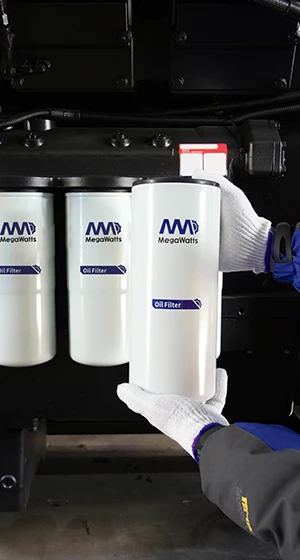
For any heavy machinery operator or fleet manager, water is the silent killer. Whether you are running a Cummins KTA50 generator set, a Komatsu excavator, a Lister Petter engine or a Perkins engine, water in your diesel fuel can lead to catastrophic injector failure and costly downtime.
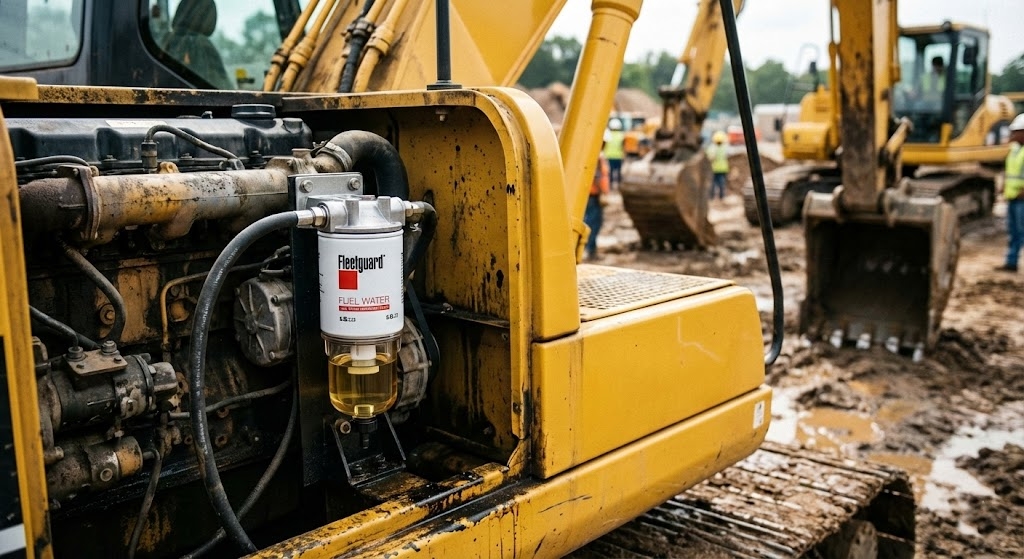
Your first line of defense is the Fuel Water Separator. But how do you know when it’s full, clogged, or failing?
At Megawatts Parts, with our global experience serving clients from our factories in Saudi Arabia to our distribution centers in China, we have seen countless engines destroyed simply because a $30 filter was ignored. In this guide, we break down the critical signs of saturation and the manufacturer-recommended replacement intervals to keep your equipment running at peak performance.
The Short Answer
How often should you replace a fuel water separator? According to most OEM standards (like Cummins and Caterpillar), you should:
- Drain the water from the separator daily (or before every shift).
- Replace the entire filter element every 500 hours of operation or every other oil change (whichever comes first).
- Immediate Action: If the "Water in Fuel" (WIF) light comes on, drain it immediately.
How Water Destroys Diesel Engines
Understanding when to replace a fuel water separator—and how to recognize signs of saturation— can help prevent unexpected downtime, expensive repairs, and long-term engine damage.
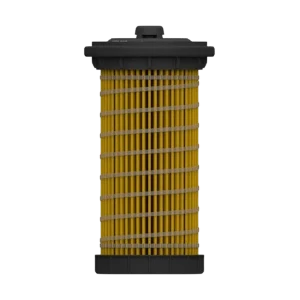
Before diagnosing the problem, it helps to understand the mechanism. Diesel fuel is hygroscopic, meaning it naturally absorbs moisture from the air. A fuel water separator uses specialized hydrophobic media to strip this water out of the fuel before it reaches the sensitive high-pressure fuel pump and injectors.
When the separator works correctly, water settles into a collection bowl. When it becomes saturated (clogged with contaminants or overwhelmed by water), that protection fails, allowing water to pass through to the injectors.
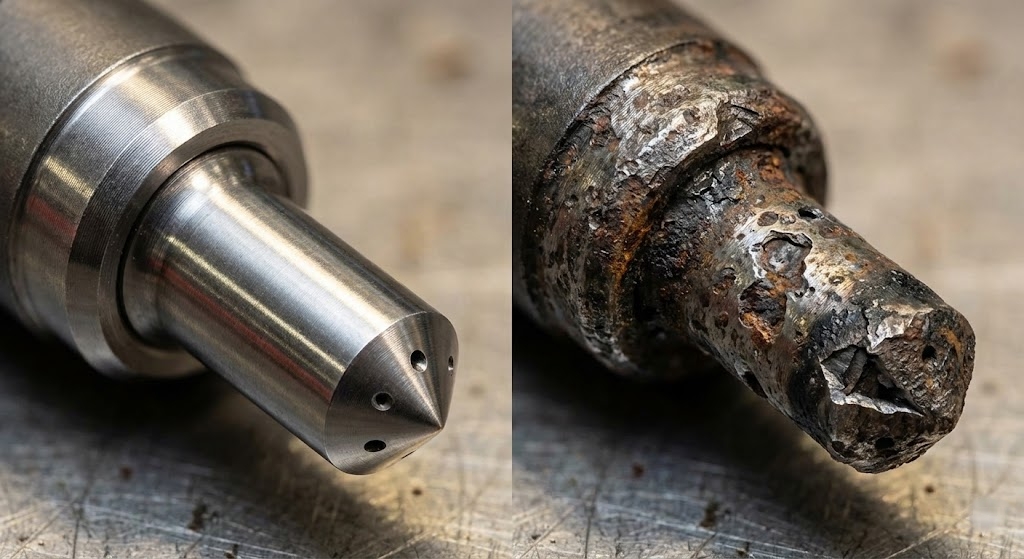
- Micro-Explosions: Water expands rapidly when heated, blowing the tips off fuel injectors.
- Corrosion: Water causes rust inside the fuel pump, leading to metal shavings that clog the entire system.
- Microbial Growth: Water allows "diesel bugs" (bacteria/fungi) to grow, creating a dark sludge that blocks filters instantly.
5 Critical Signs Your Separator is Saturated
If you notice any of the following, your filtration system is failing.
1. The "Water in Fuel" (WIF) Light is On
Most modern generator sets and construction machinery are equipped with electronic sensors in the separator bowl.
What it means: The water level has reached the sensor probe.
Action: Stop immediately. If the light stays on after draining, the sensor may be faulty or the filter media is waterlogged.
2. Engine Sputtering or Rough Idling
Water does not burn. When slugs of water or emulsified fuel reach the combustion chamber, the engine will misfire.
The Symptom: The engine sounds uneven at idle or "stumbles" when you try to accelerate.
3. Significant Loss of Power Under Load
A clogged fuel water separator restricts the flow of diesel. It’s like trying to breathe through a straw while running.
The Scenario: Your excavator works fine at idle, but when you try to lift a heavy load or dig, the engine bogs down.
4. White Exhaust Smoke
While black smoke usually indicates air restriction, white smoke often indicates water in the combustion chamber or unburnt fuel due to incorrect timing.
The Risk: This often means water has already started damaging the injector tips (cavitation).
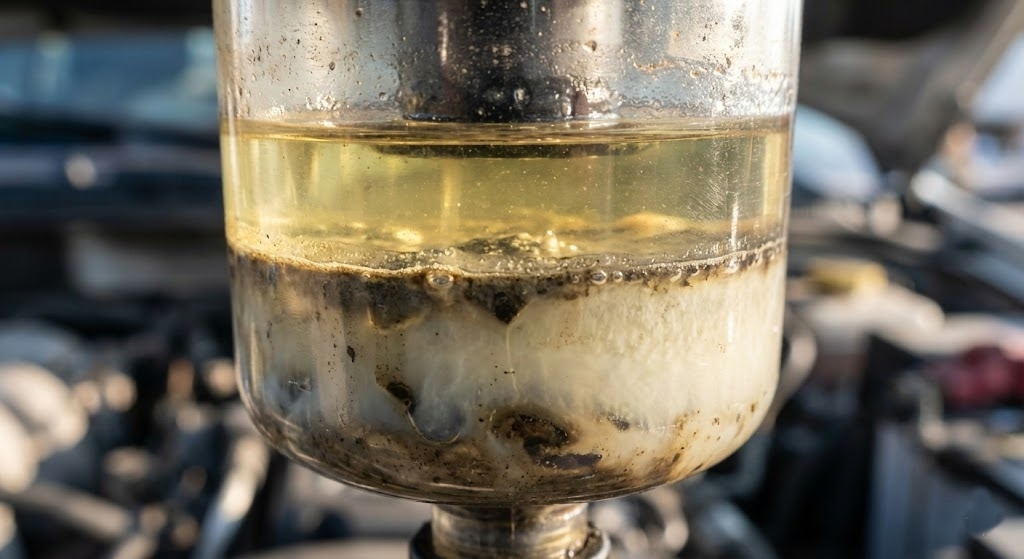
5. Visible Water or Sludge in the Bowl
If your separator has a clear bowl (common on Fleetguard or Racor systems), perform a visual check:
Water: Look for clear bubbles or a distinct separation line at the bottom.
Sludge: Dark, slimy residue indicates algae. This requires a biocide treatment in your fuel tank.
Maintenance Schedule: Drain vs. Replace
To maximize the lifespan of your engine, follow this general schedule:
| Action | Frequency | Notes |
| Visual Check | Daily / Pre-Start | Look for water in the clear bowl. |
| Drain Water | Weekly (or when visible) | Open the valve until clean diesel flows. |
| Replace Element | 500 Hours | Or every 2nd oil change. |
| Sensor Check | Every 1,000 Hours | Ensure the WIF sensor is clean. |
Step-by-Step: How to Drain a Fuel Water Separator
This process should be part of your daily pre-start check.
- Locate the Valve: Find the drain valve at the very bottom of the filter unit.
- Position a Container: Place a clear jar or bucket underneath to catch the fluid. Do not drain onto the ground.
- Open the Valve: Turn the valve (usually by hand, do not use pliers unless necessary) to let fluid flow.
Observe the Fluid:
- The first fluid to come out will likely be water (clear/cloudy).
- Wait until you see clean, colored diesel fuel flowing.
- Close and Prime: Close the valve tightly. You may need to use the hand primer pump to remove air from the system before starting the engine.
The Cost of Ignorance: A Financial Comparison
Why buy a high-quality aftermarket filter from Megawatts Parts? Let’s look at the math.
| Component | Estimated Cost |
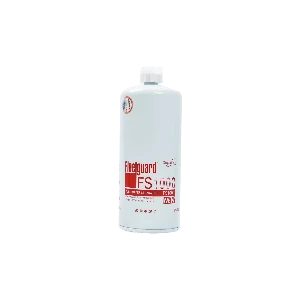
| New Fuel Water Separator (e.g., FS1006) | $20 - $50 |
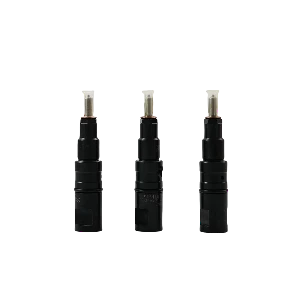
| Set of New Fuel Injectors (6 Cylinders) | $1,500 - $3,000 |
| High-Pressure Fuel Pump | $1,000+ |
| Downtime (Per Day) | $500+ |
The Verdict: Replacing your filter is 0.5% of the cost of repairing the damage caused by bad fuel. It is the cheapest insurance policy you can buy for your machinery.
Frequently Asked Questions (FAQ)
Q: Can I clean and reuse a fuel water separator?
A: No. While you can drain the water out of the bowl, you cannot clean the filter media (paper element). Once the media is clogged with particulates or saturated with water, it must be replaced.
Q: What happens if water freezes in the separator?
A: In winter, trapped water turns to ice, blocking fuel flow completely. This is a common cause of "no-start" conditions in cold climates like Canada. Always drain water before shutting down the engine in freezing temperatures.
Q: OEM vs. Aftermarket: Which is better?
A: You don't always need to pay the premium for a branded box. High-quality aftermarket parts (like those from Megawatts Parts) are manufactured to the same Micron Ratings and specifications as OEM, offering the same protection at a better price.
Why Choose Megawatts Parts for Your Filtration Needs?
Finding the right aftermarket part shouldn't be a gamble. At Megawatts Parts, we combine global manufacturing standards with local service.
- Global Presence, Local Trust: With our own factories in Saudi Arabia (Riyadh) and Nigeria (Lagos), plus sales offices in Colombia, we understand the harsh operating conditions your machinery faces. We don't just sell parts; we manufacture solutions.
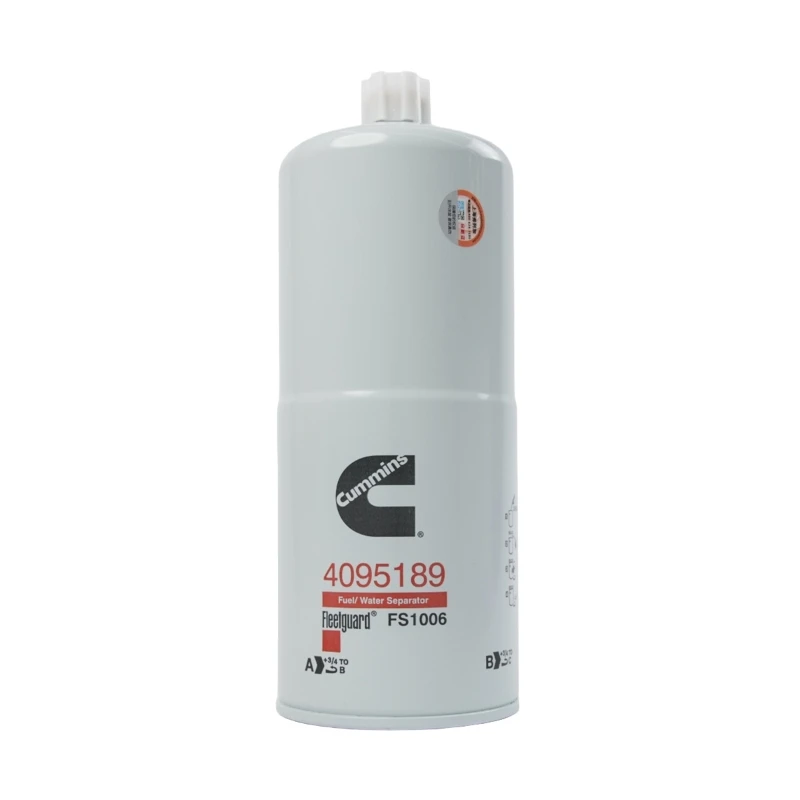
- Guaranteed Fit & Quality: Whether you need a genuine Fleetguard FS1006 or a high-quality aftermarket replacement for a Perkins engine, our parts meet or exceed OEM specifications.
- Risk-Free Purchasing: We offer a 90-Day Return Policy and Live Customer Service. If you aren't sure which filter fits your genset, our team is ready to help.
- Fast Shipping: Downtime costs money. That’s why we dispatch orders within 2 business days, ensuring you get back to work faster.
Recommended Products
For Cummins Engines: Shop Fleetguard FS1006 Fuel/Water Separator (Compatible with QSK78/QSK60).
Browse All: View our complete collection of Fuel Water Separators.
Looking for reliable replacements or upgrades? Contact Us to speak with a parts specialist. Browse our complete product range at www.megawattsparts.com.
Don't wait for the warning light. Protecting your engine is always cheaper than repairing it.
Previous And Next
-
Previous Post:
 BLOG
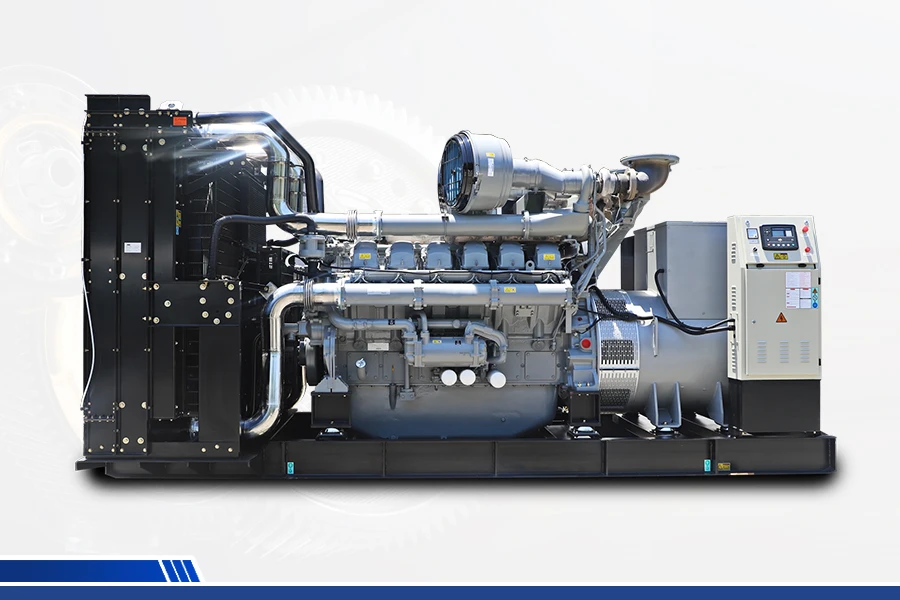
BLOG Megawatts BlogIntroducing the components of a diesel engineIntroducing the components of a diesel engine A diesel generator set is a type of internal combustion generator set and is currently one of the most widely used power generation devices in the world....
 -
Next Post:
 BLOG
Megawatts BlogOEM vs Aftermarket Generator Parts: Which Is Better for Home Backup Generators?When a power outage hits, your home backup generator becomes your first line of defense. But even the most reliable generator depends on the quality of its parts. One common question homeowners face i...
BLOG
Megawatts BlogOEM vs Aftermarket Generator Parts: Which Is Better for Home Backup Generators?When a power outage hits, your home backup generator becomes your first line of defense. But even the most reliable generator depends on the quality of its parts. One common question homeowners face i...
Read More
-
 BLOG
Megawatts BlogStrategic Sourcing: How to Build a Standardized Generator Sets Parts Catalog for Mixed FleetsManaging a mixed fleet of Cummins, Perkins, and Caterpillar generators often creates a hidden financial drain through inventory duplication and fragmented procurement. When different brands use differ...
BLOG
Megawatts BlogStrategic Sourcing: How to Build a Standardized Generator Sets Parts Catalog for Mixed FleetsManaging a mixed fleet of Cummins, Perkins, and Caterpillar generators often creates a hidden financial drain through inventory duplication and fragmented procurement. When different brands use differ... -
 BLOG
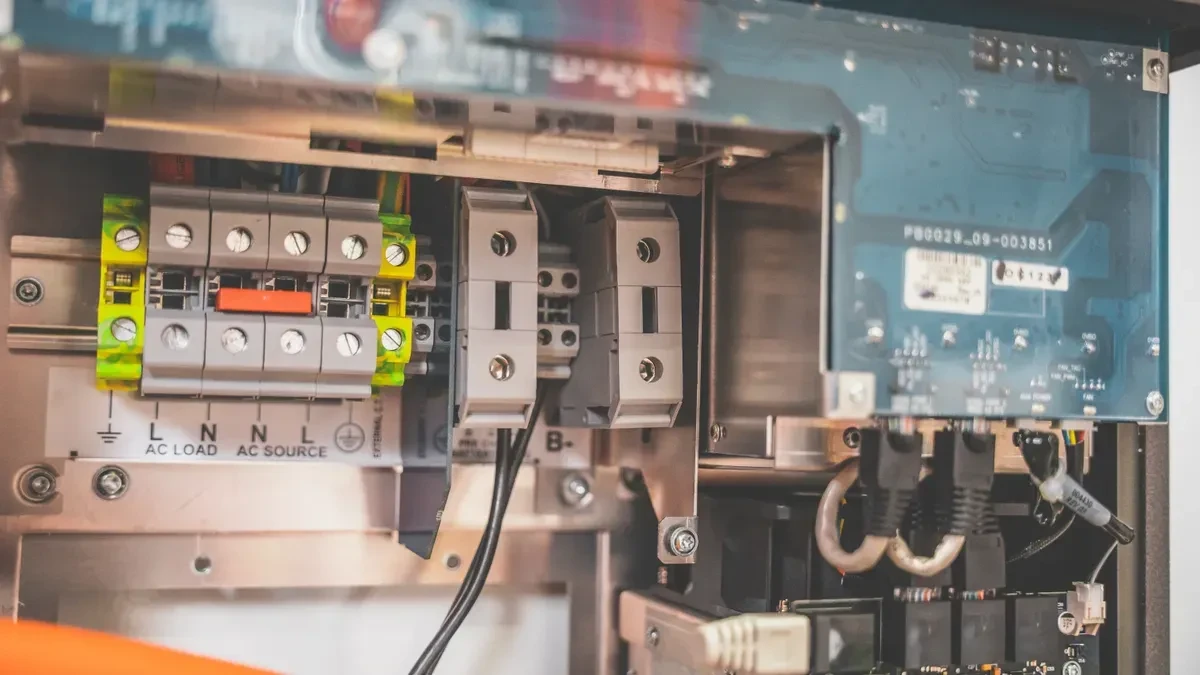
Megawatts BlogDiesel Generator Won't Crank: A Step-by-Step Electrical Diagnostic Checklist for MechanicsWhen a diesel generator won't crank, check the electrical system first. Do not chase fuel or mechanical theories yet. Low battery voltage and corroded connections cause most no-start condition calls....
BLOG
Megawatts BlogDiesel Generator Won't Crank: A Step-by-Step Electrical Diagnostic Checklist for MechanicsWhen a diesel generator won't crank, check the electrical system first. Do not chase fuel or mechanical theories yet. Low battery voltage and corroded connections cause most no-start condition calls.... -
 BLOG
Megawatts BlogMagnetic Coil Degradation: Why Your Diesel Engine Stop Solenoid Fails Under Extreme HeatExtreme heat is the primary enemy of a diesel engine stop solenoid. The heat breaks down the electrical insulation inside the magnetic coil. This degradation raises resistance and creates short circui...
BLOG
Megawatts BlogMagnetic Coil Degradation: Why Your Diesel Engine Stop Solenoid Fails Under Extreme HeatExtreme heat is the primary enemy of a diesel engine stop solenoid. The heat breaks down the electrical insulation inside the magnetic coil. This degradation raises resistance and creates short circui... -
 BLOG
Megawatts BlogThe Hidden Cost of Expired Inventory: Shelf Life and Proper Storage of Rubber Gasket Seal KitsA gasket seal kit sits untouched for five years. You paid for it. Now you pay to dispose of it. When a failure occurs, you pay a premium for emergency replacement. These hidden costs accumulate silent...
BLOG
Megawatts BlogThe Hidden Cost of Expired Inventory: Shelf Life and Proper Storage of Rubber Gasket Seal KitsA gasket seal kit sits untouched for five years. You paid for it. Now you pay to dispose of it. When a failure occurs, you pay a premium for emergency replacement. These hidden costs accumulate silent...
Subscribe to enjoy 10% off
Stay informed about new products and sales

-
INFORMATION
Contact Us
-
CHINA SALES OFFICE: No. 2-11, No. 8, Gaotai Road, Gaishan Investment Zone, Cangshan District, Fuzhou, Fujian
-
SAUDI ARABIA FACTORY: 7264 Shakra, Al Faisaliyyah, REFB3035, 3035, Riyadh 12883
-
COLOMBIA SALES OFFICE: 92-32 26th Street, 03-118, Bogota
-
NIGERIA FACTORY: Plot 5 Chivita Avenue Ajao Estate Isolo Lagos
-
Email:sales@megawattsparts.com
Follow Us


Copyright © 2025 Megawatts All Rights Reserved.



Select Previous Button or Search Directly on Search Bar!
Shop All
 English
Currency: <{ pagedata.current_currency }>(<{ pagedata.current_currency_code }>)
Are you in the right place?

You agree to MegaWatts.com's Terms of Use and Privacy Policy by subscribing. You may receive emails with useful tips, promotions, and offerings.
No, thanks. I'd rather pay full price.