








































Combating Diesel Bug: How Your Fuel Water Separator Filter Prevents Sludge and Microbial Growth
by Megawatts - Updated At 2026-09-15
Have you noticed your engine struggling to start, fuel filters clogging more often, or dark sludge in the fuel system? These symptoms indicate diesel bug—microbial contamination that thrives on water in diesel fuel. The financial toll is enormous: contaminated fuel causes an estimated $2 billion in injector-related repairs annually across the United States. Your fuel water separator filter directly stops this problem by removing water from your diesel fuel. Without water, microbes cannot survive or multiply. The single most effective preventive measure is regularly draining your fuel water separator filter's drain valve. With consistent care, diesel bug is completely preventable. As the engineering team at Megawatts Parts often reminds our clients, with consistent care and premium filtration, diesel bug is completely preventable
What Is Diesel Bug and Why Water Causes It
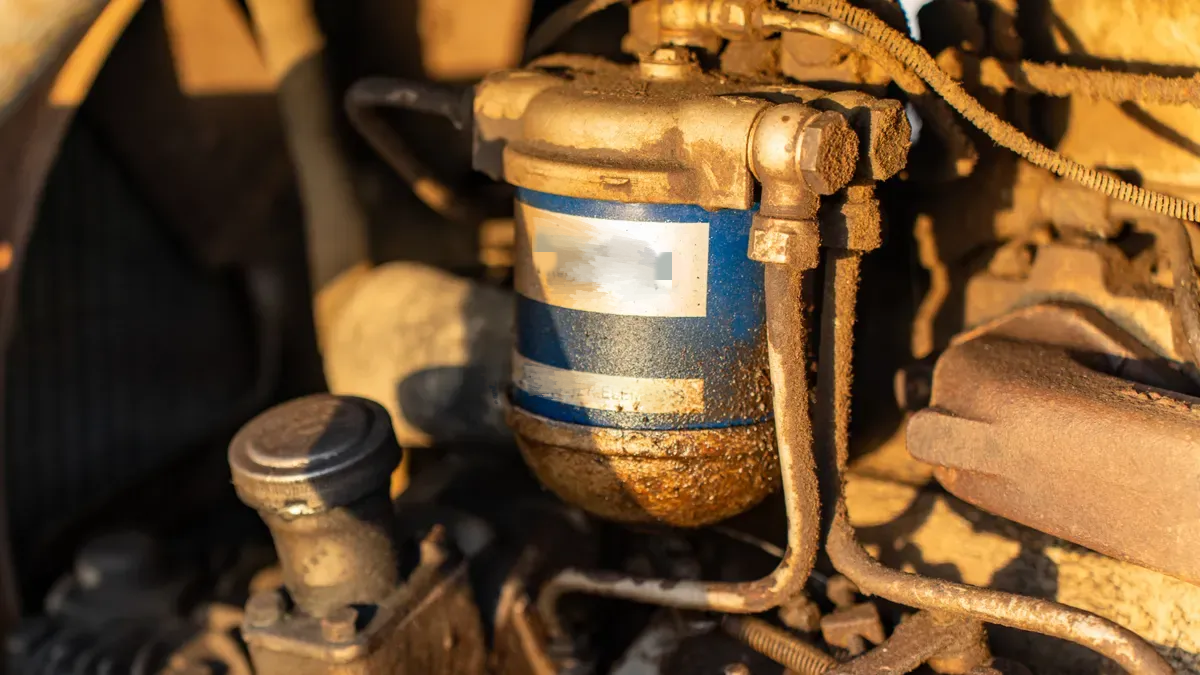
Diesel bug refers to the microbial contamination that grows inside diesel fuel systems. Bacteria, fungi, and yeasts feed on water and hydrocarbons present in the fuel. Water provides the essential environment these organisms need to survive and multiply. Remove the water, and the microbes cannot thrive.
The Science Behind Diesel Bug
Microbial contamination in diesel fuel begins at the water-diesel interface. This boundary layer presents distinct physical properties, including viscosity, density, and gas permeability. These characteristics create a stable environment where microbes form biofilms. Biofilms are three-dimensional structures that protect microbial communities and enhance their ability to degrade hydrocarbons.
The most common bacteria found in contaminated diesel fuel include:
|
Microorganism Type |
Specific Genera |
|
Bacteria |
Pseudomonas, Sphingomonas, Acinetobacter, Desulfovibrio, Clostridium, Staphylococcus, Bacillus, Lactobacillus, Streptococcus, Brevibacterium |
|
Fungi |
Various moulds (genera not specified) |
|
Yeasts |
Various yeasts (genera not specified) |
The growth rate of these organisms is alarming. Once conditions are right, microbial colonies can double roughly every twenty minutes, turning a clean tank into a fuel-polishing emergency within days.
The water-diesel interface plays a central role in sustaining this growth. Biofilms form naturally at this boundary, creating a protective and adaptive environment for the microbial community. This matrix facilitates nutrient availability and shields bacteria from environmental stresses. As the biofilm matures, it produces waste products that form sludge and sediment. These contaminants clog filters, damage injectors, and degrade fuel quality.
How Water Enters Your Fuel Tank
Water enters diesel fuel through three primary pathways. The most common source is condensation. Temperature fluctuations inside the fuel tank cause moisture in the air to condense on the tank walls. This water droplets settle at the bottom of the tank, where the fuel-water interface forms.
Contaminated fuel supplies represent another significant pathway. Fuel purchased from low-volume stations or older storage tanks may already contain water. Even small amounts of water carried into the tank can initiate microbial growth.
Faulty seals and gaskets on fuel caps, filler necks, and tank vents allow rainwater and humidity to enter the fuel system. These entry points are often overlooked during routine maintenance.
Understanding these entry paths is essential. Each pathway deposits water directly where microbes need it to grow. Eliminating water from the fuel system remains the most effective method to prevent diesel bug from taking hold.
How Your Fuel Water Separator Filter Stops Diesel Bug
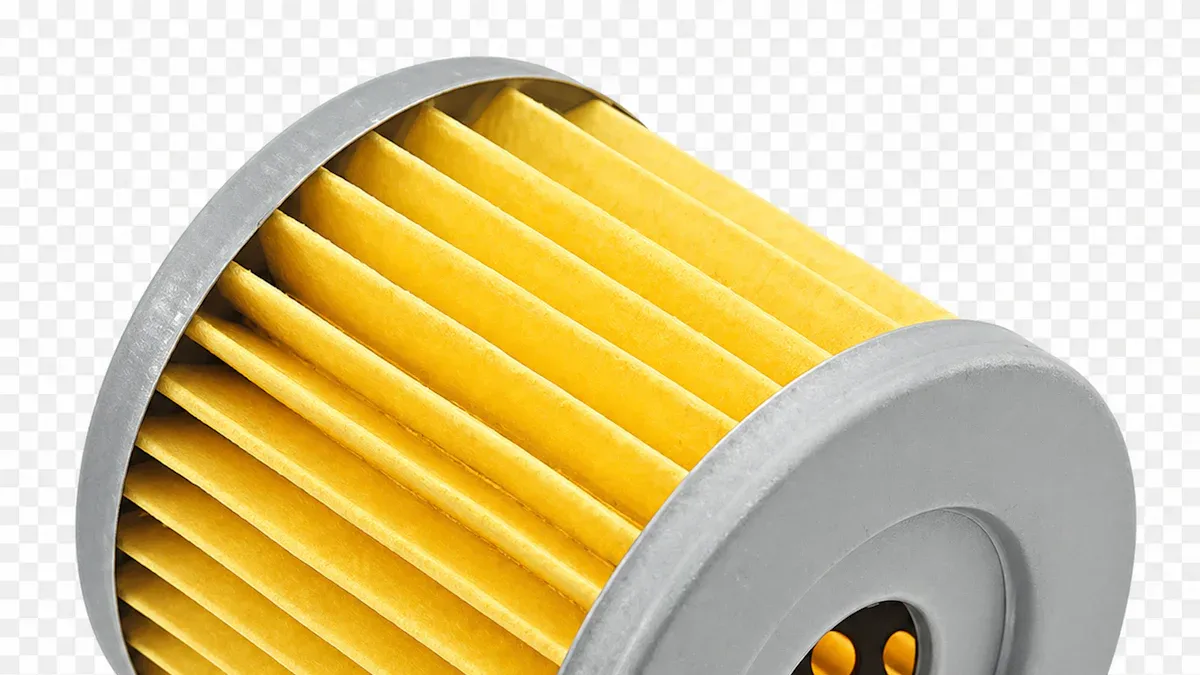
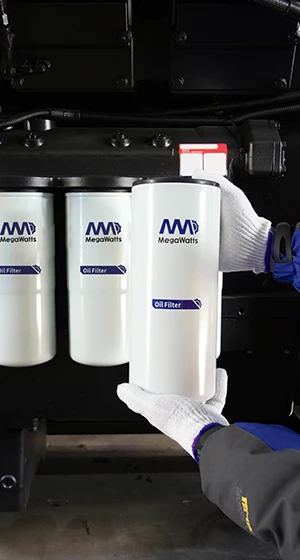
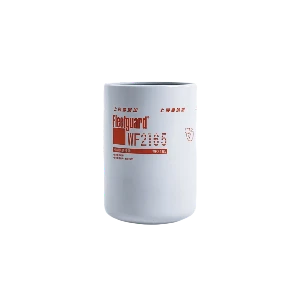
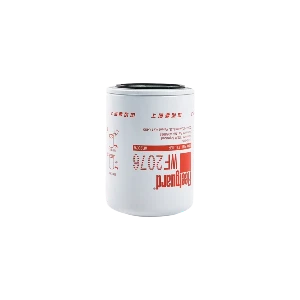
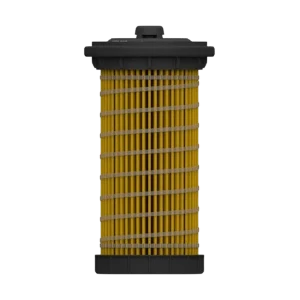
A fuel water separator filter serves as the primary barrier between water contamination and your engine."It removes water, sludge, microbial growth, and particulates before these contaminants reach injectors and pumps. This protection directly eliminates the conditions that allow diesel bug to flourish.
The Filter's Water Removal Process
The water removal process operates through a two-stage mechanism. The filter first coalesces fine water droplets into larger ones. It then separates these larger droplets from the fuel stream completely.
The coalescing stage relies on three physical principles. Inertial impaction occurs when large droplets carry too much momentum to follow the fluid streamlines around fibers. These droplets strike the fiber surface and stick. Direct interception happens when midsize droplets contact fibers as they pass alongside. Brownian diffusion affects submicron aerosols. Constant buffeting by surrounding molecules raises the probability that these tiny droplets will contact and adhere to a fiber.
The filter media contains three distinct layers. A pre-filtration layer intercepts solid particulates like scale and dirt. This layer preserves the delicate fibers of the primary media. The coalescing media layer uses graded borosilicate glass microfiber or specialized synthetic polymers. Microdroplets adhere to these fibers and travel along their length. At junction points with other fibers, they merge into larger drops. A drainage layer prevents the high-velocity fuel stream from re-entraining these drops. Gravity guides the enlarged droplets downward into the collection sump.
The efficiency of this process is remarkable. Fuel water separators achieve up to 99.98% efficiency for fine aerosols. They remove 99.9% or greater of liquid aerosols at 0.1 to 0.3 microns. This performance eliminates the water that diesel bug requires to grow and multiply.
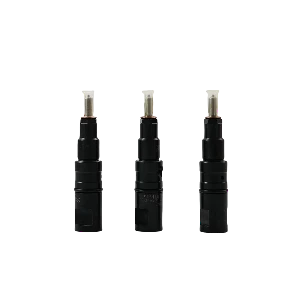
Water contamination damages fuel injectors severely. When water reaches the injector, it corrodes precision-machined surfaces. Pitting on the needle and seat prevents proper sealing. In high-pressure systems, water can flash into steam at the nozzle tip. This action blows the tip off and causes catastrophic injector failure, often forcing operators to purchase a complete fuel injector kit for repairs. A fuel water separator filter prevents this damage by removing water before it reaches these sensitive components.
Why the Drain Valve Matters
The drain valve on a fuel water separator filter performs a critical function. It allows accumulated water to exit the system before it re-enters the fuel stream. Regular draining maintains the separator's ability to protect the engine.
Recommended drain frequency depends on operating conditions. Standard commercial diesel trucks require draining every 15,000 to 25,000 kilometers or every three months. Humid climates and high-condensation environments demand shorter intervals. Operators in these conditions should drain every 10,000 to 15,000 kilometers. Many technical experts recommend daily or weekly draining depending on climate and humidity. Condensation can accumulate quickly in fuel tanks.
Neglecting the drain valve leads to predictable consequences. The filter becomes saturated and can no longer separate water effectively. A water-in-fuel warning alerts the operator that water is reaching the fuel system. Stage one involves reduced performance and slightly lower fuel economy. Stage two brings driveability problems like rough idle, surging, and hard starting. Stage three results in component damage. A restricted filter forces the high-pressure fuel pump to work harder. Water contamination can cause catastrophic injector failure, leading to costly repairs.
Regular draining of the drain valve extends injector life significantly. Diesel fuel injector lifespan can drop to 40,000 to 60,000 miles with poor fuel quality or neglected maintenance. Proper filter maintenance protects this investment. The fuel water separator filter prevents corrosion and reduces failure rates. This simple habit keeps the equipment operating at peak efficiency.
Symptoms and Dangers of Diesel Bug
Warning Signs to Watch For
Diesel bug reveals itself through distinct operational symptoms that experienced technicians recognize immediately. Hard starting and extended cranking indicate fuel delivery problems. Rough or unstable idle suggests inconsistent fuel flow. Loss of engine power under load points to restricted filters. Increased exhaust smoke signals incomplete combustion from contaminated fuel. Fuel filters clog more frequently than maintenance schedules predict. Water accumulates in the fuel-water separator drain. The engine may stall intermittently or enter a derate condition with fault codes displayed. Any combination of these signs warrants immediate investigation.
Visual inspection of the fuel provides additional confirmation of contamination. Clear, amber diesel fuel turns dark brown or black when microbial growth occurs. The fuel appears hazy, cloudy, or milky when water becomes emulsified. A distinct lower layer of free water settles at the bottom of a sample container. Black or brown slime coats the inside of fuel filters. A sour or sulfurous odor indicates an active microbial colony producing waste. The table below summarizes the key visual indicators.
|
Visual Criterion |
What It Indicates |
|
Dark brown or black color |
Oxidation or microbial growth |
|
Hazy, cloudy, or milky appearance |
Emulsified water or fine particulates |
|
Visible lower water layer |
Free water in the tank |
|
Black or brown slime on filters |
Active biological contamination |
|
Sour or sulfurous odor |
Growing microbial colony |
Operators should check the separator drain regularly and inspect drained fluid for signs of contamination. Early detection stops minor issues from becoming major failures that require expensive repairs.
Related Reading: If your fuel appears milky or hazy, your system is already suffering from severe water emulsification. Learn how to protect high-pressure components in our deep dive: Defeating Water Emulsification: How a Premium Fuel Water Separator Filter Protects Common Rail Systems.
The Real Cost of Contamination
Repair costs escalate rapidly with contamination severity. Contaminated fuel causes approximately $2 billion in injector-related repairs annually across the United States. A technician who catches the problem early may only need to drain and flush the tank. More severe contamination can affect the high-pressure fuel system, leading to expensive component failures. Early detection and water removal can prevent these costs entirely.
Operators who drain the separator regularly, inspect fuel for signs of contamination, and replace filter elements on schedule keep diesel bug from gaining a foothold. Water control remains the definitive strategy for protecting both the engine and the operator's wallet.
Treating and Preventing Diesel Bug
Step-by-Step Treatment for Infected Systems
Treating an established diesel bug infection requires a systematic approach. Skipping steps allows surviving microbes to rebound within weeks.
- Drain the contaminated fuel completely by siphoning or pumping into approved sealed containers. Remove all liquid, including the heavy water and sludge layer at the tank's lowest point. Dispose of waste according to local regulations.
- Access the tank interior by removing the fuel sending unit or an existing access port. Small tanks may require complete removal.
- Remove remaining fuel residue and loose debris from the tank bottom using an extraction pump or a hazardous-liquid-rated wet vacuum.
- Physically clean interior surfaces with long-handled brushes or pressurized washing using non-flammable detergent. This step dislodges sludge, microbial mats, and rust scale.
- Apply a chemical flush for severe contamination using a commercial diesel tank cleaner. Ensure compatibility with tank material and coatings.
- Rinse the tank multiple times with clean water to remove all detergent and loosened contaminants.
- Dry the tank completely before refilling to prevent corrosion and new microbial growth.
- Reassemble with new, clean seals to prevent future water ingress.
- Replace all fuel filters in the system. Cleaning agitates contaminants into old filters.
- Refill with fresh diesel.
The fuel water separator filter plays a dual role in treatment and prevention. During treatment, it captures dead microbes and loosened biofilm before they reach injectors. After treatment, it continues removing water that would otherwise feed new growth.
Maintenance Habits That Keep Diesel Bug Away
Prevention costs far less than treatment. Three habits protect the fuel system indefinitely.
Drain the fuel water separator filter's drain valve regularly. Humid climates demand shorter intervals. Check the drained fluid for water and dark discoloration.
Replace the filter element on schedule. A saturated element cannot separate water effectively. Contaminants bypass a spent filter and reach the high-pressure pump.
Inspect for water contamination during every routine service. A water-in-fuel warning indicates the separator has reached capacity. Address the warning immediately.
Water is the enemy, and the fuel water separator filter is the solution. Microbes cannot multiply without moisture, so removing water removes the problem at its source. Regular draining of the drain valve and timely filter replacement remain the most effective prevention strategies. Make filter care a routine habit, not a reaction to failure. Inspect the bowl, drain the valve, and swap the element on schedule. With proper water control and consistent filter maintenance, diesel bug is entirely preventable. This simple discipline protects your engine, your uptime, and your wallet.
Don't wait for a derate condition or a blown injector. If it’s time for your scheduled maintenance, browse the Megawatts Parts inventory today to find the exact heavy-duty fuel water separators.
FAQ
How often should I drain my fuel water separator filter?
Drain frequency depends on climate and operating conditions. Standard commercial trucks need draining every 15,000 to 25,000 kilometers or every three months. Humid environments require shorter intervals of 10,000 to 15,000 kilometers. Many technicians recommend daily or weekly draining in high-humidity conditions.
Can a fuel water separator filter remove existing diesel bug contamination?
The filter captures dead microbes, sludge, and loosened biofilm before they reach injectors. It does not kill living microbes inside the tank. The separator prevents recurring growth by removing the water microbes need.
What happens if I never drain the drain valve?
A neglected drain valve lets the filter become saturated. Water then passes into the fuel system. A water-in-fuel warning may appear. Continued operation can cause rough idle, hard starting, and high-pressure pump failure, which can lead to expensive repairs.
How efficient is a fuel water separator at removing water?
Fuel water separators achieve up to 99.98% efficiency for fine aerosols. They remove 99.9% or greater of liquid aerosols at 0.1 to 0.3 microns. This performance eliminates the moisture that diesel bug requires to survive and multiply.
Where can I buy replacement fuel water separator filters?
Fuel water separator filters are available from most diesel parts suppliers. Check with your equipment dealer or local parts supplier for the correct filter for your engine.Premium replacement units are available directly from Megawatts Parts. We stock a comprehensive range of guaranteed-fit filtration solutions.
Read More
-
 BLOG
BLOG Megawatts BlogComplete Water Pump Assemblies vs. Pressing Bearings: The Most Cost-Effective Repair StrategyFor most drivers and equipment operators, complete water pump assemblies are the most cost-effective repair for the engine's cooling system. When deciding between a full water pump replacement or pres...
 -
 BLOG
Megawatts BlogWinter Emergencies: Why Your Diesel Generator Won't Crank in Sub-Zero TemperaturesDarkness descends as a relentless blizzard knocks out power. You shuffle to the unit, press the start button, and hear a single sluggish click. Your generator won't crank. In sub-zero temperatures, th...
BLOG
Megawatts BlogWinter Emergencies: Why Your Diesel Generator Won't Crank in Sub-Zero TemperaturesDarkness descends as a relentless blizzard knocks out power. You shuffle to the unit, press the start button, and hear a single sluggish click. Your generator won't crank. In sub-zero temperatures, th... -
 BLOG
Megawatts BlogUnderstanding Multi-Layer Steel (MLS): Why Premium Gasket Seal Kits Are Essential for High-Compression DieselsEvery diesel mechanic knows the dread. A blown head gasket on a high-compression diesel engine means catastrophic failure. Repair costs range from $3,000 for simple replacement to over $20,000 for a c...
BLOG
Megawatts BlogUnderstanding Multi-Layer Steel (MLS): Why Premium Gasket Seal Kits Are Essential for High-Compression DieselsEvery diesel mechanic knows the dread. A blown head gasket on a high-compression diesel engine means catastrophic failure. Repair costs range from $3,000 for simple replacement to over $20,000 for a c... -
 BLOG
Megawatts BlogHydraulic Resistance in Cooling Systems: How Engine Driven Water Pumps Handle Thermal StressExtreme heat pushes every cooling system to its limit. When flow diminishes, catastrophic engine damage follows swiftly. Hydraulic resistance—the friction and pressure drop within radiator passa...
BLOG
Megawatts BlogHydraulic Resistance in Cooling Systems: How Engine Driven Water Pumps Handle Thermal StressExtreme heat pushes every cooling system to its limit. When flow diminishes, catastrophic engine damage follows swiftly. Hydraulic resistance—the friction and pressure drop within radiator passa...
Subscribe to enjoy 10% off
Stay informed about new products and sales

-
INFORMATION
Contact Us
-
CHINA SALES OFFICE: No. 2-11, No. 8, Gaotai Road, Gaishan Investment Zone, Cangshan District, Fuzhou, Fujian
-
SAUDI ARABIA FACTORY: 7264 Shakra, Al Faisaliyyah, REFB3035, 3035, Riyadh 12883
-
COLOMBIA SALES OFFICE: 92-32 26th Street, 03-118, Bogota
-
NIGERIA FACTORY: Plot 5 Chivita Avenue Ajao Estate Isolo Lagos
-
Email:sales@megawattsparts.com
Follow Us


Copyright © 2025 Megawatts All Rights Reserved.



Select Previous Button or Search Directly on Search Bar!
Shop All
 English
Currency: <{ pagedata.current_currency }>(<{ pagedata.current_currency_code }>)
Are you in the right place?

You agree to MegaWatts.com's Terms of Use and Privacy Policy by subscribing. You may receive emails with useful tips, promotions, and offerings.
No, thanks. I'd rather pay full price.