









































Engine Compression Loss and Misfires: Signs You Need Valve Guide Replacement
by Megawatts - Updated At 2026-06-16
When a heavy-duty diesel engine experiences unexplained misfires or a sudden drop in compression, the root cause is often hidden deep within the cylinder head. Worn valve guides are silent culprits that allow oil to bypass the seals, leading to contaminated combustion chambers, rough idling, and significant power loss. Ignoring these early warning signs doesn't just reduce fuel efficiency—it paves the way for catastrophic engine failure and costly equipment downtime. In this guide, we will break down the critical symptoms of valve guide wear and explain exactly when a replacement is necessary. When it is time for a rebuild, relying on premium aftermarket components from Megawatts Parts ensures your machinery is restored to peak performance with OEM-level reliability.
Understanding Valve Guide Wear
What Valve Guides Do
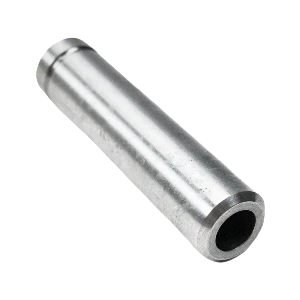
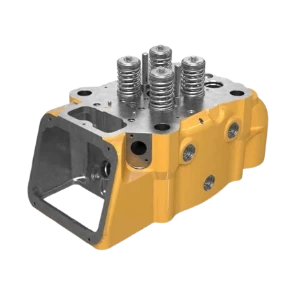
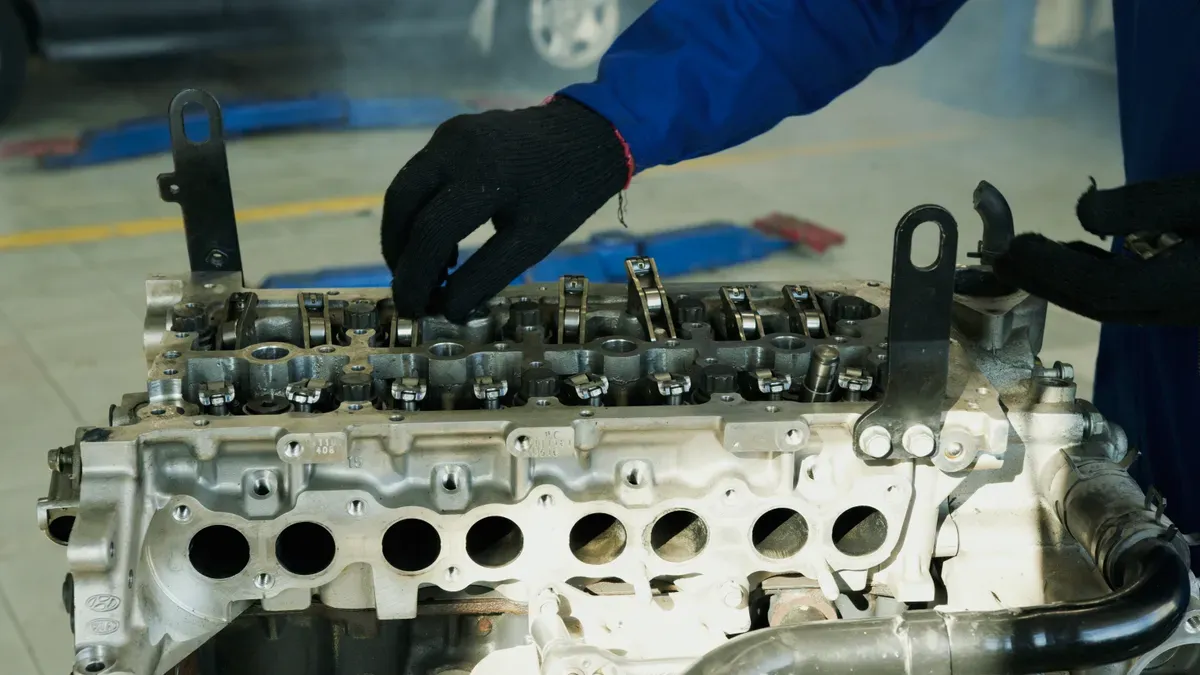
Valve guides play a critical role in every diesel engine. They keep the intake and exhaust valves aligned within the cylinder head, ensuring proper sealing and efficient combustion. This alignment is essential for maintaining proper engine compression and eliminating common engine misfire causes. Valve guides also help transfer heat from the valve stem to the cylinder head, which is vital for cooling. About 25% of valve heat moves through the valve stem into the guide material. Proper lubrication control by valve guides limits oil flow into the combustion chamber, supporting optimal performance and reducing the risk of valve guide replacement. When valve guide wear occurs, the intake and exhaust valves can lose alignment, leading to rough operation and increased emissions.
- Valve guides maintain valve alignment in the cylinder head.
- They facilitate heat transfer from the valve stem to the cylinder head.
- They control lubrication, preventing excess oil from entering the combustion chamber.
Causes of Valve Guide Wear
Valve guide wear develops over time in both gasoline and diesel engine applications. Friction from the constant vertical motion of the valve stem against the guide bore is a primary factor. The quality of lubrication directly affects the rate of valve guide wear. High-mileage diesel engine cycles and repeated exposure to extreme heat accelerate deterioration. Engine design factors, such as lateral forces from valve train geometry, push the valve stem against the guide wall, increasing valve guide wear. Poor maintenance and infrequent cylinder head rebuilds can worsen these issues.
- Friction from valve stem movement causes valve guide wear.
- Lubrication quality impacts valve guide wear in diesel engine operations.
- High thermal demands in diesel engine environments increase valve guide wear.
- Engine design and lateral forces contribute to valve guide wear in the cylinder head.
Effects on Engine Compression
Valve guide wear has a direct impact on low engine compression and overall performance. Misalignment of intake and exhaust valves due to valve guide wear leads to leaks in the cylinder head. Increased oil consumption results from worn guides, causing blue or gray exhaust smoke and higher emissions. Carbon deposits may accumulate, raising the effective compression ratio and creating hot spots that trigger abnormal combustion. These conditions are common engine misfire causes and often require valve guide replacement. Rough engine operation and decreased fuel efficiency signal advanced valve guide wear. Ignoring these signs can result in costly cylinder head rebuilds and severe diesel engine damage.
- Worn valve guides cause low engine compression and misfires.
- Increased oil consumption and emissions result from valve guide wear.
- Carbon deposits and hot spots in the cylinder head lead to abnormal combustion.
- Valve guide wear reduces fuel efficiency and engine reliability in diesel engine applications.
Symptoms of Valve Guide Problems
Engine Misfires and Rough Idle
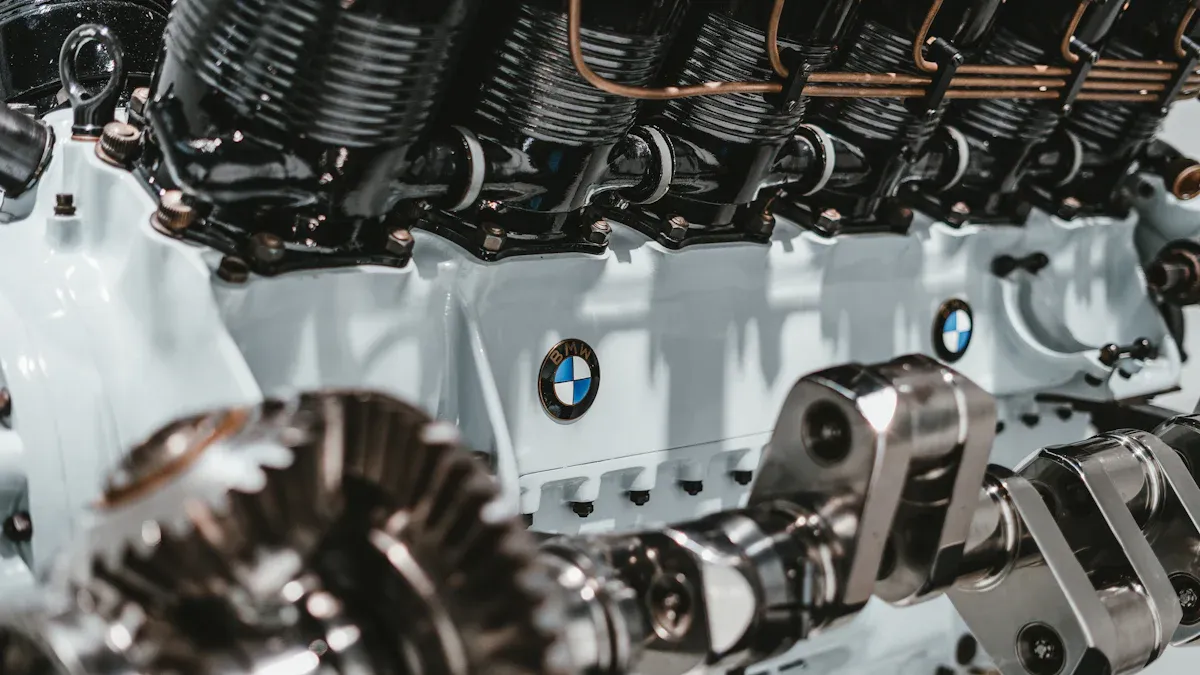
Valve guide wear directly affects engine performance. When the valve guides deteriorate, the intake and exhaust valves lose proper alignment. This misalignment leads to uneven seating, resulting in low engine compression, which is a frequent engine misfire cause. Drivers may notice the engine running rough, especially during idle or acceleration. Power loss becomes evident as the engine struggles to maintain consistent combustion. Severe wear can cause the valve stem to wobble, increasing the risk of catastrophic failures such as valve stem breakage. These failures often require a cylinder head rebuild or complete valve guide replacement.
Common symptoms include:
- Rough engine operation and unstable idle
- Noticeable power loss during acceleration
- Difficulty starting the engine, particularly in cold conditions
- Audible valve train noise or tapping from the cylinder head
Inspecting the entire valve train system can help pinpoint the exact clearance issue before it worsens. Valve misalignment can also mimic other issues, such as injector faults, making diagnosis challenging. Regular inspection of the valve guides and related components is essential to prevent further damage.
Smoke and Oil Consumption
Excessive smoke and unexplained oil loss are classic indicators of valve guide problems. Worn guides allow oil to leak past the valve stem into the combustion chamber. This oil burns during the combustion process, producing blue or gray exhaust smoke. The smoke is most visible during engine startup or when accelerating. While monitoring exhaust output, it is also a good time to check for manifold leaks; you can learn more in our guide to understanding generator exhaust systems and leak prevention. Increased oil consumption between service intervals signals that the guides no longer provide adequate sealing.
|
Visual Sign |
Description |
|
Blue exhaust smoke |
Oil burns in the combustion process, especially noticeable on startup or during acceleration. |
|
Excessive oil consumption |
More than 1 L per 1000 km indicates worn guides allowing oil to leak into the cylinders. |
|
Rough idling |
Uneven combustion due to oil contamination, leading to fouled spark plugs. |
|
Reduced power output |
Compression loss as inadequate guide support prevents valves from seating fully. |
Heavy carbon buildup on valve stems is another consequence of oil entering the combustion chamber. This buildup can cause valves to stick, leading to erratic engine performance and further misfires. A rich fuel mixture and poor ignition exacerbate the formation of carbon deposits, increasing the risk of engine failure.
Diagnosing Valve Guide Wear
Accurate diagnosis of valve guide wear is critical for preventing extensive engine damage. Several methods help identify the extent of wear:
- Rotate the engine until the valve is compressed open. Pry up and down on the valve keeper using your hand or a flat screwdriver. If the valve stem moves up and down, the guide is worn.
- Remove the valve spring with a valve spring tool. Wiggle the valve up and down with your fingers to check for excessive movement.
- Observe smoke patterns. Smoke on deceleration with the throttle closed often points to valve guide wear or seal issues.
- Conduct a compression test. Low engine compression in one or more cylinders may indicate valve guide wear.
- Listen for valve train noise. Tapping sounds from the cylinder head suggest misalignment or excessive clearance.
For precise measurement, use a micrometer and bore gauge to check the clearance between the valve stems and guides. Intake clearance specifications range from 0.0014"-0.0024", while exhaust clearance specifications range from 0.0022"-0.0031". If measurements exceed these values, valve guide replacement is necessary. Specialized reamers may be required for resizing or installing new guides, which is best handled by a professional machinist or head shop.
Tip: Regular checks of valve guides and ignition systems help prevent engine misfires and erratic performance. Early detection of valve guide wear reduces the risk of costly cylinder head rebuilds and ensures reliable operation.
Symptoms of valve guide wear can be mistaken for other engine issues. For example, excessive oil consumption and compression loss might also indicate worn piston rings, a condition discussed in our breakdown of engine blow-by and when to invest in new cylinder liner and piston kits. However, combining visual inspection, compression testing, and careful observation of smoke and oil consumption provides a comprehensive diagnosis. Addressing these problems promptly with quality parts from trusted suppliers like Megawatts Parts restores engine performance and prevents further damage.
Valve Guide Replacement Solutions
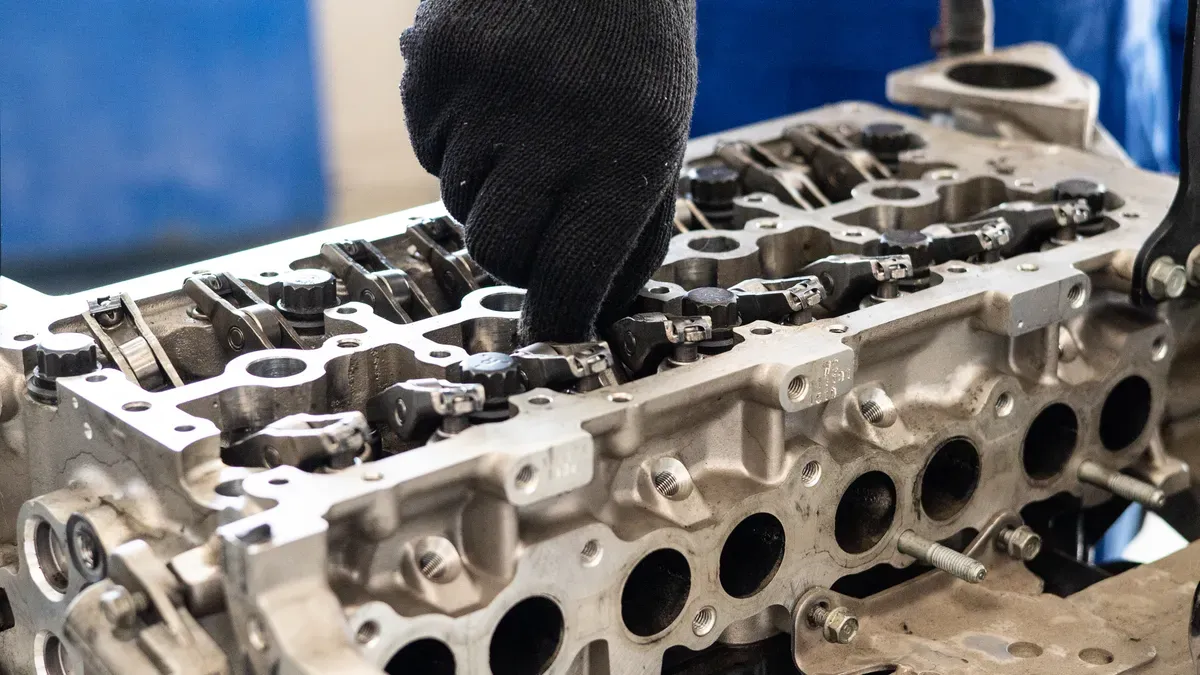
When Replacement Is Needed
Valve guide replacement becomes essential when the valve clearance exceeds manufacturer tolerances or when visible damage appears in the cylinder head. Excessive movement of the valve within the guide leads to power loss, low engine compression, and increased risk of engine misfire causes. The following table outlines when to repair or replace:
|
Condition |
Action |
|
Clearance overage under .006 inches, no bore damage |
Repair (bronze liner or knurling) |
|
Clearance overage beyond .006 inches, out-of-roundness, scoring, or cracking |
Replace outright |
|
Aluminum cylinder heads |
Handle carefully during replacement |
|
Diesel heads in rebuilt engines |
Install new guides or bronze liners |
"Worn guides allow the valve to wobble laterally as it opens. This movement causes the valve face to drift off-center relative to the valve seat. Over time, this misalignment causes uneven seating, loss of compression, and rough running."
Ignoring these signs can result in catastrophic engine failure, requiring a full cylinder head rebuild.
Choosing Quality Parts from Megawatts Parts
Selecting the right parts for valve guide replacement is critical for restoring engine performance. Megawatts Parts supplies high-quality valve guides and related engine components for generator sets and construction machinery. Their inventory includes options for intake and exhaust valves, cylinder head rebuild kits, and other essential engine parts. You can browse our complete selection of cylinder heads & components—including intake and exhaust valves, and comprehensive head rebuild kits—to find precisely matched aftermarket parts for your next project. Customers benefit from products that meet or exceed OEM specifications, ensuring durability and reliability. Aftermarket valve guides from reputable sources like Megawatts Parts often cost 30–50% less than OEM parts while maintaining strict material and dimensional standards. This balance of quality and affordability helps prevent future power loss and addresses root engine misfire causes
Professional vs. DIY Replacement
Valve guide replacement can be performed by skilled technicians or experienced DIYers. Professional service ensures precise installation, especially for aluminum cylinder heads or diesel engines. DIY replacement requires specialized tools, such as locking tools for reinstalling components, and a thorough understanding of engine assembly. Megawatts Parts supports both approaches by offering live customer support, fast shipping, and a comprehensive product range. For those seeking cost-effective solutions, their aftermarket valve guides provide a reliable alternative to OEM parts. Always consult a trusted mechanic or refer to service manuals before attempting replacement to avoid further engine damage.
Recognizing valve guide issues early protects your engine from severe damage. Key signs include:
- Excessive oil consumption without visible leaks
- Blue or gray smoke from the exhaust, especially on cold starts
- Rough idle, misfires, or low engine compression
- Check Engine light with misfire or fuel system codes
Timely diagnosis prevents costly engine repairs and extends engine life. Accurate measurement and regular monitoring of engine components maintain optimal performance. To prevent future valve guide wear:
- Change engine oil consistently using the correct viscosity.
- Replace valve stem seals during any guide service.
- Inspect all intake and exhaust valves for wear.
- Organize valves by cylinder during teardown.
- Limit extended engine idling.
As carbon builds up in the combustion chamber, it can raise the effective compression ratio and create localized hot spots. This may contribute to abnormal or uncontrolled early combustion events that place excessive stress on pistons, valves, and bearings.
Ignoring early signs of engine misfires and compression loss can lead to irreversible cylinder head damage and costly downtime. Timely replacement of worn valve guides is essential to restore your engine's power. When sourcing these critical components, Megawatts Parts offers precision-engineered valve guides and complete rebuild kits that meet OEM specifications—often at 30% to 50% less than dealer prices. Don't let worn guides ground your equipment. Contact our technical team today to find the exact parts you need.
FAQ
What are the main engine misfire causes related to valve guides?
Valve guide wear disrupts the alignment of intake and exhaust valves. This misalignment leads to poor sealing, low engine compression, and frequent misfires. Oil leaks into the combustion chamber, causing rough idle and unstable engine performance.
How does low engine compression signal valve guide problems?
Low engine compression often results from worn valve guides. When guides allow valves to seat improperly, combustion gases escape. This loss of pressure reduces power and efficiency. Persistent low compression may indicate the need for valve guide replacement or a cylinder head rebuild.
When should I consider valve guide replacement?
Consider valve guide replacement if you notice blue smoke, excessive oil consumption, or a rough idle. The compression test results below manufacturer's specifications also suggest worn guides. Early intervention prevents further damage and avoids costly cylinder head rebuilds.
Can I perform valve guide replacement myself?
DIY valve guide replacement is possible with proper tools and experience. However, aluminum cylinder heads and diesel engines require precision. Incorrect installation can introduce new engine misfire causes or lead to severe component damage. Many owners prefer professional service for reliability.
What risks arise from delaying valve guide repairs?
Delaying repairs increases the risk of catastrophic engine failure. Worn guides can cause valves to break or stick, leading to severe cylinder head damage. Ignoring symptoms may result in a full cylinder head rebuild and extended downtime.
Previous And Next
-
Previous Post:
 BLOG
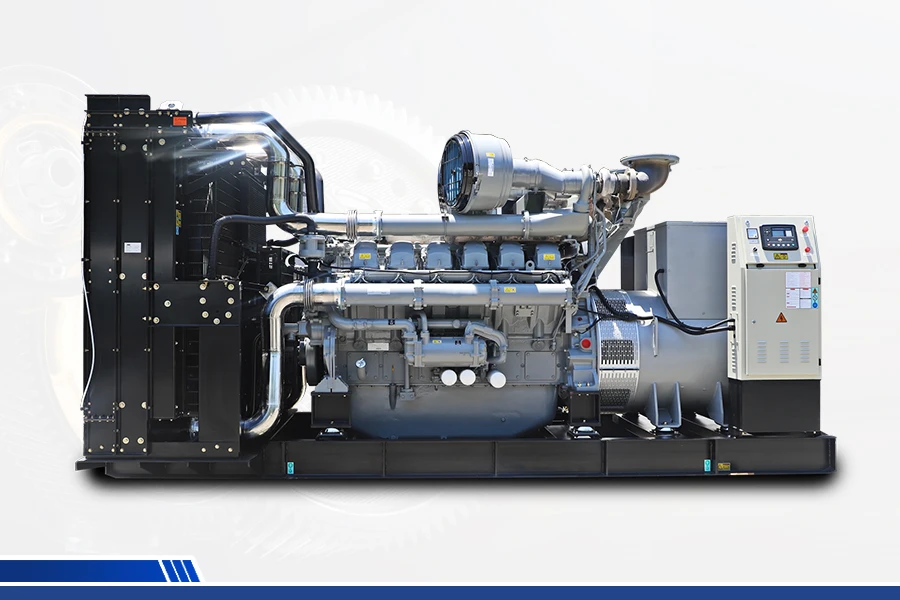
BLOG Megawatts BlogIntroducing the components of a diesel engineIntroducing the components of a diesel engine A diesel generator set is a type of internal combustion generator set and is currently one of the most widely used power generation devices in the world....
 -
Next Post:
 BLOG
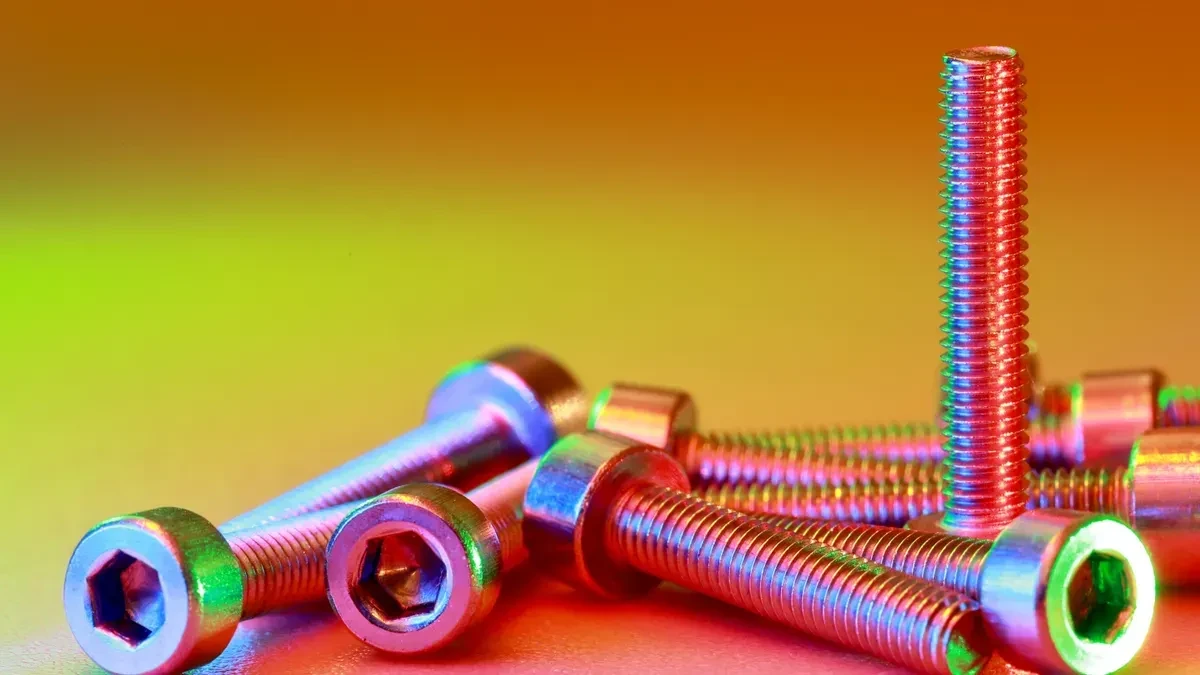
Megawatts BlogThe Danger of Reusing Hardware: Why New Fasteners Are Critical for Cylinder Head RebuildsA successful engine rebuild hinges on one crucial detail: precise clamping force. Reusing old cylinder head fasteners—especially stretched bolts and deformed washers—is a direct ticket to...
BLOG
Megawatts BlogThe Danger of Reusing Hardware: Why New Fasteners Are Critical for Cylinder Head RebuildsA successful engine rebuild hinges on one crucial detail: precise clamping force. Reusing old cylinder head fasteners—especially stretched bolts and deformed washers—is a direct ticket to...
Read More
-
 BLOG
Megawatts BlogThe Hidden Cost of Expired Inventory: Shelf Life and Proper Storage of Rubber Gasket Seal KitsA gasket seal kit sits untouched for five years. You paid for it. Now you pay to dispose of it. When a failure occurs, you pay a premium for emergency replacement. These hidden costs accumulate silent...
BLOG
Megawatts BlogThe Hidden Cost of Expired Inventory: Shelf Life and Proper Storage of Rubber Gasket Seal KitsA gasket seal kit sits untouched for five years. You paid for it. Now you pay to dispose of it. When a failure occurs, you pay a premium for emergency replacement. These hidden costs accumulate silent... -
 BLOG
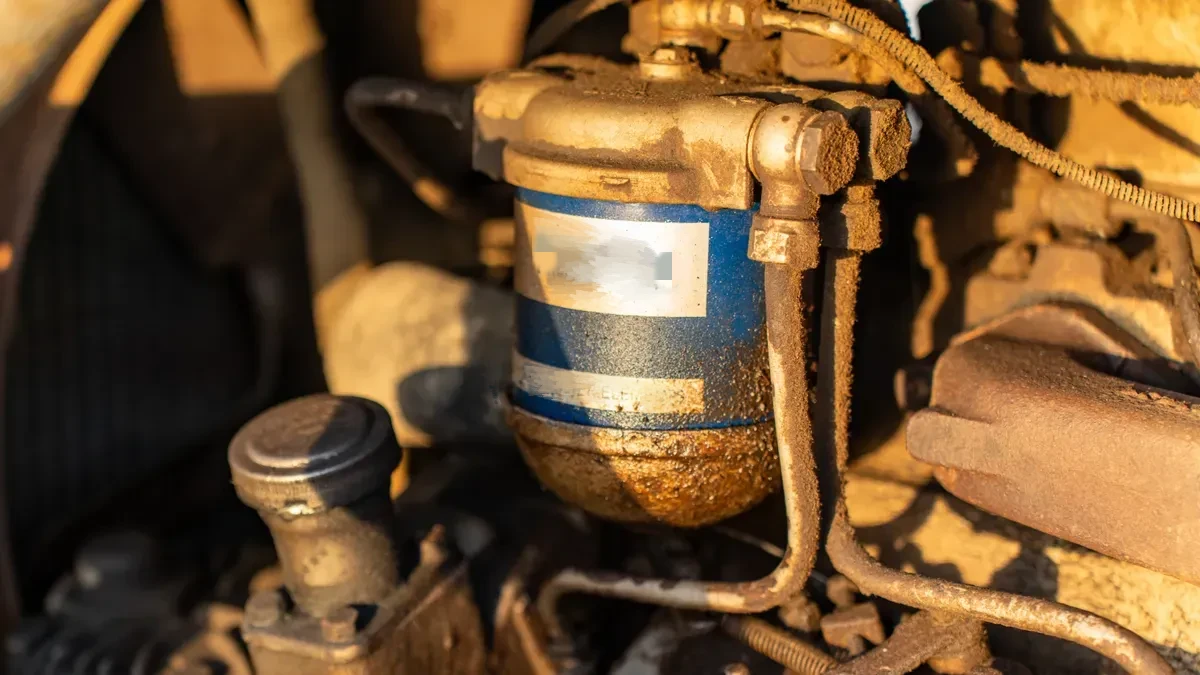
Megawatts BlogCombating Diesel Bug: How Your Fuel Water Separator Filter Prevents Sludge and Microbial GrowthHave you noticed your engine struggling to start, fuel filters clogging more often, or dark sludge in the fuel system? These symptoms indicate diesel bug—microbial contamination that thrives on...
BLOG
Megawatts BlogCombating Diesel Bug: How Your Fuel Water Separator Filter Prevents Sludge and Microbial GrowthHave you noticed your engine struggling to start, fuel filters clogging more often, or dark sludge in the fuel system? These symptoms indicate diesel bug—microbial contamination that thrives on... -
 BLOG
Megawatts BlogComplete Water Pump Assemblies vs. Pressing Bearings: The Most Cost-Effective Repair StrategyFor most drivers and equipment operators, complete water pump assemblies are the most cost-effective repair for the engine's cooling system. When deciding between a full water pump replacement or pres...
BLOG
Megawatts BlogComplete Water Pump Assemblies vs. Pressing Bearings: The Most Cost-Effective Repair StrategyFor most drivers and equipment operators, complete water pump assemblies are the most cost-effective repair for the engine's cooling system. When deciding between a full water pump replacement or pres... -
 BLOG
Megawatts BlogWinter Emergencies: Why Your Diesel Generator Won't Crank in Sub-Zero TemperaturesDarkness descends as a relentless blizzard knocks out power. You shuffle to the unit, press the start button, and hear a single sluggish click. Your generator won't crank. In sub-zero temperatures, th...
BLOG
Megawatts BlogWinter Emergencies: Why Your Diesel Generator Won't Crank in Sub-Zero TemperaturesDarkness descends as a relentless blizzard knocks out power. You shuffle to the unit, press the start button, and hear a single sluggish click. Your generator won't crank. In sub-zero temperatures, th...
Subscribe to enjoy 10% off
Stay informed about new products and sales

-
INFORMATION
Contact Us
-
CHINA SALES OFFICE: No. 2-11, No. 8, Gaotai Road, Gaishan Investment Zone, Cangshan District, Fuzhou, Fujian
-
SAUDI ARABIA FACTORY: 7264 Shakra, Al Faisaliyyah, REFB3035, 3035, Riyadh 12883
-
COLOMBIA SALES OFFICE: 92-32 26th Street, 03-118, Bogota
-
NIGERIA FACTORY: Plot 5 Chivita Avenue Ajao Estate Isolo Lagos
-
Email:sales@megawattsparts.com
Follow Us


Copyright © 2025 Megawatts All Rights Reserved.



Select Previous Button or Search Directly on Search Bar!
Shop All
 English
Currency: <{ pagedata.current_currency }>(<{ pagedata.current_currency_code }>)
Are you in the right place?

You agree to MegaWatts.com's Terms of Use and Privacy Policy by subscribing. You may receive emails with useful tips, promotions, and offerings.
No, thanks. I'd rather pay full price.