

































Preventing Engine Seizure: When to Upgrade to Connecting Rod Bearings for Heavy-Duty Fleets
by Megawatts - Updated At 2026-08-27
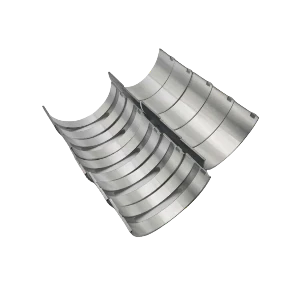
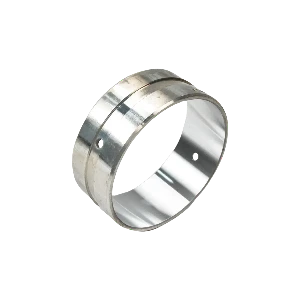
Engine seizure represents one of the most expensive failures a heavy-duty fleet can experience. A single seized engine demands complete overhaul or replacement, costing tens of thousands in parts and downtime. Upgrading to custom connecting rod bearings transforms this risk into manageable prevention. Fleet operators should pursue this upgrade when engines routinely face sustained high-load conditions—climbing steep grades or sudden generator load banks—that push standard bearings past their fatigue limits. These stresses accelerate bearing wear, leading to oil film breakdown and eventual seizure. High-performance bearings resist this degradation through superior materials and precise clearance specifications. Megawatts Parts supplies aftermarket bearing options engineered for these demanding applications, offering durability that outlasts OEM components. Their inventory supports major engine brands with fast shipping and expert guidance.
When Standard Bearings Trigger Engine Seizure

Load Threshold: When to Upgrade
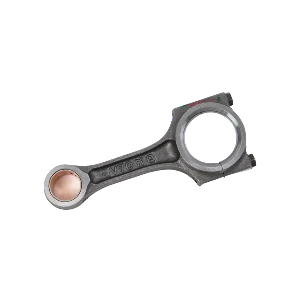
Standard connecting rod bearings operate within a narrow design envelope. Hydrodynamic lubrication functions only when oil viscosity, pressure, and surface speeds remain balanced. Excessive load or dropping oil pressure collapses this film. Overloading the engine at low RPMs creates a specific hazard: metal surfaces contact directly, generating rapid wear, heat buildup, and eventual bearing failure. This progression can culminate in total engine seizure.
Fleet operators must recognize the operational threshold. Sustained heavy acceleration, towing, or mountainous terrain places extreme stress on rod bearings, accelerating wear rates. This accelerated wear leads directly to bearing failure. When a bearing fails entirely, the connecting rod contacts the crankshaft and engine block, causing catastrophic internal damage. Worst-case scenarios produce a seized crankshaft—complete engine destruction.
High engine speeds compound the problem. Elevated RPMs distort the rod bore, altering clearance specifications. Improper bearing clearance accelerates fatigue, especially when combined with sustained load. Experienced technicians recommend upgrading when engines regularly exceed 80% load for extended periods. Sudden generator load banks present identical risks. The standard bearing simply cannot sustain these demands indefinitely.
Signs of Connecting Rod Failures
Early detection prevents catastrophic connecting rod failures. The first and most obvious indicator is a distinct knocking sound. This rhythmic noise intensifies as engine speed increases, reflecting excessive movement between rod and crankshaft. Low oil pressure warnings follow closely. Worn bearings create larger clearances, causing pressure drops that trigger dashboard warnings.
Deep Dive: Is your dashboard warning light flashing? Read our troubleshooting guide on diagnosing worn engine oil pumps vs. failing bearings to pinpoint the exact cause of low oil pressure."
Metal particles in drained oil confirm rod bearing failure. These flakes represent bearing material worn away during operation. Increased engine vibration signals excessive movement in the rotating assembly. Reduced power and performance emerge as failing bearings create drag and inefficiency. A burning oil smell indicates excessive heat from failing components. Advanced stages produce blue or gray exhaust smoke as oil leaks past damaged parts.
|
Symptom |
Diagnostic Verification |
|
Deep metallic knock under load |
Listen during idle and acceleration; note intensity at different speeds |
|
Knock at cold start |
Observe when knock appears; correlate with oil temperature |
|
Knock worsens with throttle |
Accelerate in empty lot; listen for intensification |
|
Rough idle with low oil pressure |
Check gauge or warning light; confirm drop below normal |
|
Metal particles in engine oil |
Inspect dipstick for dark appearance, flakes, or burnt smell |
|
Check engine light with misfire codes |
Connect code reader; identify specific cylinders |
Oil analysis detects early bearing wear by identifying metallic residue circulating through the lubricant. Microscopic copper particles from bearing overlays become suspended in the oil. Spectrochemical analysis quantifies these metals, revealing abnormal wear rates before catastrophic failure. This method serves as standard practice in aviation and heavy equipment programs.
A field example shows that while oil analysis may not always flag a problem, direct inspection at 136k miles revealed significant top bearing wear. Regular sampling combined with periodic physical inspection is recommended.
Loss of lubrication remains the primary trigger for bearing seizure. Fleet managers should implement routine oil sampling every 250 hours of operation. Combined with periodic bearing inspection during scheduled maintenance, this approach catches rod failures before they escalate. Ignoring these warning signs guarantees eventual engine destruction.
Material Science: Custom Connecting Rod Bearings vs. Stock
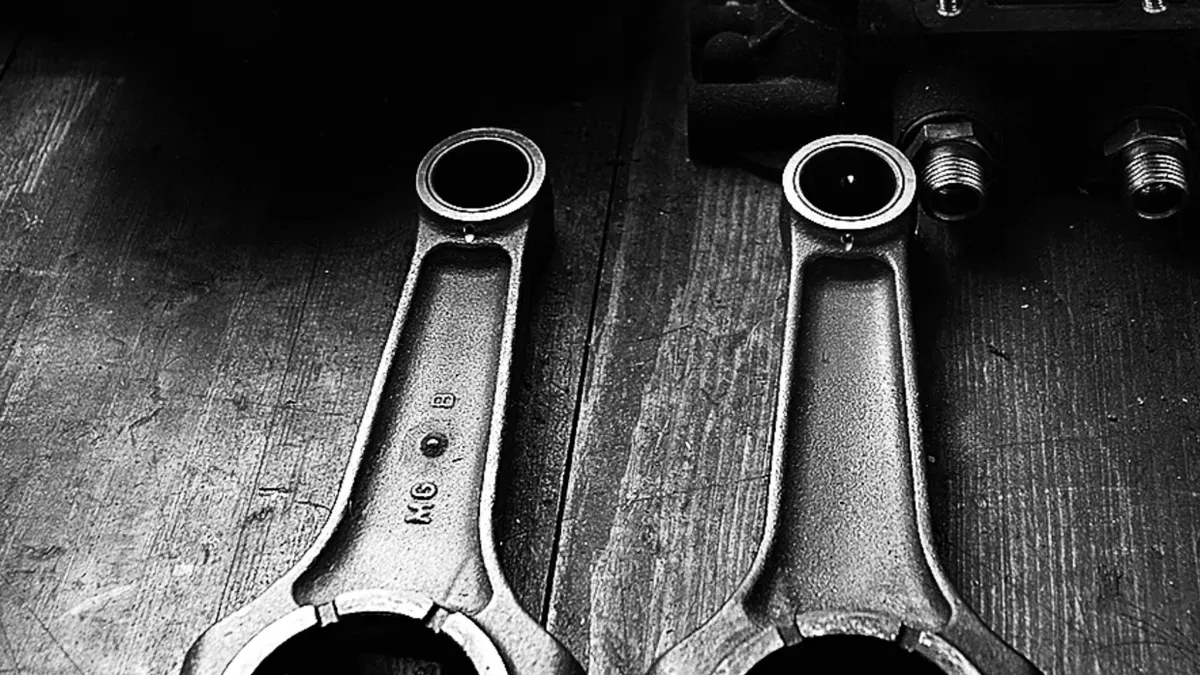
Standard OEM bearings serve adequately under moderate duty cycles. However, fleets pushing equipment into sustained high-load operation need custom connecting rod bearings engineered for the extreme. The material science separating stock components from upgraded alternatives determines whether an engine survives sudden generator load banks or seizes catastrophically.
Copper-Lead Alloys: Benefits and Limits
Copper-lead alloys have powered heavy-duty internal combustion engines for decades. Their thermal conductivity ranges between 200–300 W/m·K, drawing heat away from the bearing surface during sustained operation. Tensile strength reaches 250–400 MPa, with hardness between HV 80–120. Turbocharged diesel applications demand the upper end of that hardness range.
The lead phase provides seizure resistance through a unique mechanism. Under boundary lubrication, lead smears across the surface, forming a low-shear transfer film. This action reduces friction from 0.15–0.20 down to 0.05–0.10 during start-up and shutdown. Nickel additions of 2–10% create a passive layer that cuts sulfur corrosion rates by up to 50%.
These alloys carry a fatigue limit near 60 MPa (8,700 psi). That threshold serves moderate loads well. Yet high-performance engines generating alternating loads of 100–120 MPa will fatigue copper-lead materials rapidly. The babbitt overlay cracks, spalls, and exposes the substrate. This progression leads directly to rod failures and eventual engine seizure.
Engineer's Tip: When specifying copper-lead bearings for turbocharged applications, verify hardness exceeds HV 100. Softer bearings deform under peak combustion pressure, accelerating fatigue and inviting failure.
Sputtered Coatings: Fatigue Resistance Explained
Sputtered coatings represent a fundamental advance in bearing metallurgy. Physical vapor deposition applies an aluminum-tin overlay just a few micrometers thick. This ultra-thin layer reduces stress concentration at the interface, delaying crack initiation. Hardness reaches up to 100 HV, resisting plastic deformation and micro-scuffing under extreme pressure.
The fatigue resistance doubles conventional limits. Sputtered bearings withstand 120 MPa (17,400 psi) of alternating load—twice the copper-lead threshold. The uniform AlSn microstructure distributes stress evenly, preventing localized fatigue points. Wear resistance far exceeds electroplated layers, maintaining surface integrity under mixed-friction conditions.
For fleets operating at sustained high loads, this upgrade transforms durability. The bearing survives combustion pressures that would destroy stock components. Aftermarket suppliers like Megawatts Parts stock sputtered bearings for major engine brands, offering performance applications at a fraction of OEM replacement cost. Their inventory ships within two business days, minimizing downtime.
The choice between copper-lead and sputtered coatings hinges on operational profile. Moderate duty cycles may never stress copper-lead past its limits. High-performance engines facing repeated load spikes demand sputtered technology. Selecting the right material prevents premature failure and extends engine life substantially.
Protocol for Upgrading Connecting Rod Bearings
Selecting Bearings: Clearance, Material, and Application
Selecting custom connecting rod bearings demands a systematic approach. The process begins with clearance calculation, then material selection, and finally application matching. Each decision directly impacts engine reliability and longevity.
Clearance determines the oil film thickness between bearing and journal. The standard formula specifies approximately 0.001-inch of clearance per 1 inch of journal diameter. For a heavy-duty diesel platform like the Cummins ISX15 with a massive rod journal, precision is absolutely critical—even a 0.0005-inch deviation can cause dangerous drops in oil pressure under full commercial load. Measure the rod journal outside diameter with a micrometer. Zero a dial bore gauge to that reading, then measure the bearing inside diameter within the rod big end. Subtract the journal diameter from the bearing diameter to obtain exact clearance.
|
Clearance Approach |
Advantages |
Disadvantages |
|
Loose (high side of spec) |
Lower friction at start-up; lower oil temperature; greater engine longevity |
Excess oil pushed out of bearing sides; increased windage; lower oil pressure |
|
Tight (low side of spec) |
More even and uniform loads on bearings; more uniform oil pressure |
Smaller hydrodynamic wedge; potentially higher friction and oil temperature |
Performance applications generally favor the slightly larger side of the recommended range. This approach ensures optimal oil temperature and sustained performance. Correct clearance reduces excessive friction, prevents seizure at high temperatures, and extends bearing lifespan. Excessive clearance causes vibration, instability, and premature wear. Insufficient clearance triggers bearing seizure as temperatures rise, risking severe structural damage. Improper bearing clearance compromises lubrication and directly jeopardizes the entire upgrade.
Material selection follows clearance determination. In commercial diesel applications, forged steel connecting rods are the undisputed standard. Application type dictates the required bearing overlay: long-haul transportation, continuous-duty generators, and heavy mining equipment impose distinct, severe stress patterns. Massive torque at low RPMs creates extreme compression loads that can easily crush standard babbitt materials. A heavy-duty industrial generator hitting a sudden 100% load bank stresses bearings completely differently than a highway truck cruising at steady speeds. Upgrading to advanced overlays ensures the bearing survives these specific heavy-duty cycles.
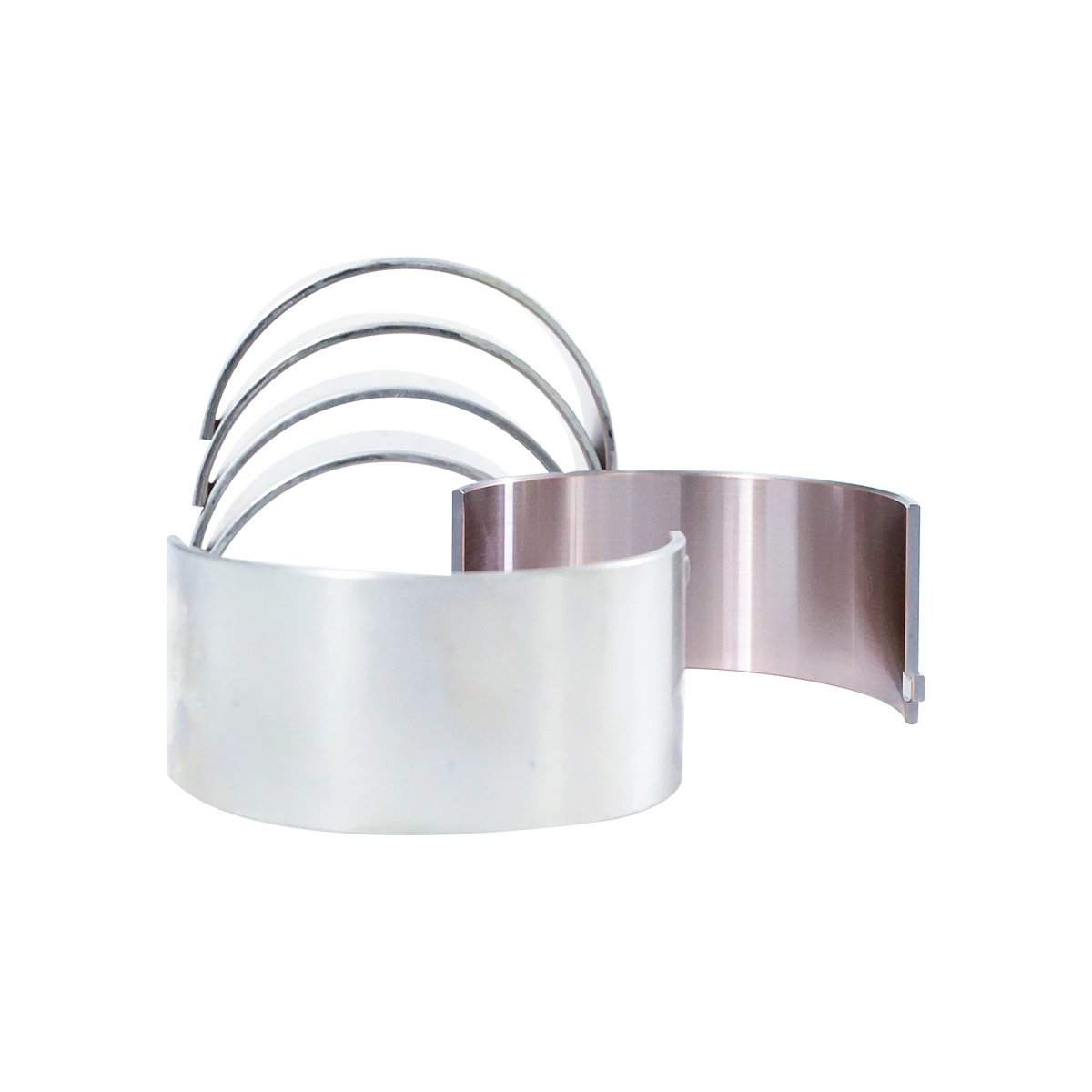
Megawatts Parts maintains an extensive inventory of custom connecting rod bearings for major engine brands. Their catalog includes sputtered and copper-lead options engineered for demanding performance applications. Orders ship within two business days, minimizing fleet downtime.
For operators running specialized industrial equipment, securing exact-match components is non-negotiable. If your fleet relies on Lister Petter power systems, the Genuine Lister Petter LP01-334-45 Connecting Rod Bearing is the ultimate drop-in solution. Engineered specifically to withstand the punishing compression loads of continuous-duty generators, this authentic replacement guarantees precise factory clearances. Securing genuine stock not only restores your rotating assembly to peak resilience but completely eliminates the guesswork from your next heavy-duty rebuild.
Installation and Maintenance: Engine Oil Supply and Break-In
Proper installation prevents rod failures before they begin. Begin with pre-installation inspection of each connecting rod. Examine for surface nicks, burrs, or scratches that create stress points. Steel rods require Magnafluxing to detect cracks; aluminum rods need penetrating dye inspection. Discard any cracked rods immediately.
Measure the big and small end bore diameters, verify rod length, and confirm straightness. Correct any bending or twisting between the big end bore and wrist pin bore. For performance forged steel rods, check for heat discoloration and verify hardness above Rc 42-43. Replace rods falling below this threshold.
Bolt inspection demands equal attention. Stock rebuilds may reuse original bolts only if undamaged and unstretched. Torque-to-yield bolts should never be reused—doing so risks immediate fastener yielding and catastrophic engine failure during operation. Performance builds warrant stronger aftermarket bolts. Use a dial indicator to measure bolt stretch rather than relying solely on a torque wrench, since friction affects torque readings. For heavy-duty diesel rods, target stretch ranges from .0055 to .0075 inches.
Clean all connecting rods thoroughly and dry with compressed air before disassembly. Match laser-etched numbers on each rod's big end side to reassemble the correct cap with the rod body. Never swap caps between rods. Control bearing clearance according to your application manual, checking accurately with a dial bore gauge. Plastigage is not recommended for precision work. Gently tap the conrod cap with a wood or rubber hammer until fully seated. Apply proper fastener lube before torquing bolts to specification. Avoid overtorquing to prevent damage.
Engine oil supply determines bearing survival during break-in. Install bearing backs dry; coat bearing faces with assembly lube. After initial startup, perform more frequent oil changes during the first 100 hours of operation. This practice flushes microscopic wear particles from the break-in process. Regular oil sampling every 250 hours detects early bearing wear through metallic residue analysis. Combined with periodic physical inspection during scheduled maintenance, this protocol catches potential failures before they escalate into catastrophic engine damage.
Ultimately, upgrading to custom connecting rod bearings is a strategic investment that safeguards your entire powerplant against seizure under high-stress operations. The long-term return is measured not just in extended service life, but in the total elimination of devastating fleet downtime. Don't wait for a catastrophic rod failure to destroy your engine block and expose the weakness in your rotating assembly. By proactively equipping your heavy machinery with premium sputtered or copper-lead bearings from Megawatts Parts, you secure maximum reliability and protect your operational continuity. Consult with our heavy-duty parts specialists today to find the exact clearance and material upgrade your fleet demands.
FAQ
What operational conditions signal the need for upgraded bearings?
Sustained loads above 80% capacity, steep grades, or sudden generator load banks push standard bearings past fatigue limits. Knocking sounds, low oil pressure warnings, and metal particles in drained oil confirm the need. Regular oil sampling every 250 hours detects early wear.
How do copper-lead and sputtered bearings compare?
Copper-lead alloys offer thermal conductivity and seizure resistance but fatigue near 60 MPa. Sputtered coatings double that limit to 120 MPa. High-performance engines generating repeated load spikes demand sputtered technology. Moderate duty cycles may never stress copper-lead past its limits.
Professional Insight: For forced-induction heavy-duty engines, always ensure your upgraded bearings feature a hardness rating above HV 100. Bearings falling below this threshold simply cannot withstand the severe cylinder pressures and will succumb to rapid structural deformation.
How frequently should fleets perform oil analysis?
Implement routine oil sampling every 250 hours of operation. Combined with periodic bearing inspection during scheduled maintenance, this approach catches rod failures before they escalate. Spectrochemical analysis quantifies metallic residue, revealing abnormal wear rates before catastrophic failure.
Can connecting rod bolts be reused during bearing replacement?
Stock rebuilds may reuse original bolts only if undamaged and unstretched. Torque-to-yield bolts should never be reused. Performance builds warrant stronger aftermarket bolts. Measure bolt stretch with a dial indicator rather than relying solely on torque readings.
What causes sudden bearing failure despite regular maintenance?
Oil film collapse from excessive load or dropping pressure triggers rapid wear. Improper clearance—too tight or too loose—compromises lubrication. High RPM distorts rod bore, altering clearance specifications. These factors accelerate fatigue, leading to catastrophic engine damage.
Previous And Next
-
Previous Post:
 BLOG
BLOG Megawatts BlogIntroducing the components of a diesel engineIntroducing the components of a diesel engine A diesel generator set is a type of internal combustion generator set and is currently one of the most widely used power generation devices in the world....
 -
Next Post:
 BLOG
Megawatts BlogHydraulic Resistance in Cooling Systems: How Engine Driven Water Pumps Handle Thermal StressExtreme heat pushes every cooling system to its limit. When flow diminishes, catastrophic engine damage follows swiftly. Hydraulic resistance—the friction and pressure drop within radiator passa...
BLOG
Megawatts BlogHydraulic Resistance in Cooling Systems: How Engine Driven Water Pumps Handle Thermal StressExtreme heat pushes every cooling system to its limit. When flow diminishes, catastrophic engine damage follows swiftly. Hydraulic resistance—the friction and pressure drop within radiator passa...
Read More
-
 BLOG
Megawatts BlogTotal Cost of Ownership (TCO) in Fleet Maintenance: Hidden Logistics Costs of Sourcing Multiple OEMsWhat hidden logistics costs emerge when sourcing multiple OEMs? How heavily do they weigh on Total Cost of Ownership (TCO) in Fleet Maintenance? A fleet manager compares two identical parts at differe...
BLOG
Megawatts BlogTotal Cost of Ownership (TCO) in Fleet Maintenance: Hidden Logistics Costs of Sourcing Multiple OEMsWhat hidden logistics costs emerge when sourcing multiple OEMs? How heavily do they weigh on Total Cost of Ownership (TCO) in Fleet Maintenance? A fleet manager compares two identical parts at differe... -
 BLOG
Megawatts BlogAnatomy of a Breakdown: Warning Signs Your Engine Driven Water Pump is Failing Before It LeaksAn engine-driven water pump typically broadcasts failure well before it drips. The pre-leak danger window is that brief period when noise, odor, temperature swings, or residue appear but no puddle for...
BLOG
Megawatts BlogAnatomy of a Breakdown: Warning Signs Your Engine Driven Water Pump is Failing Before It LeaksAn engine-driven water pump typically broadcasts failure well before it drips. The pre-leak danger window is that brief period when noise, odor, temperature swings, or residue appear but no puddle for... -
 BLOG
Megawatts BlogStrategic Sourcing: How to Build a Standardized Generator Sets Parts Catalog for Mixed FleetsManaging a mixed fleet of Cummins, Perkins, and Caterpillar generators often creates a hidden financial drain through inventory duplication and fragmented procurement. When different brands use differ...
BLOG
Megawatts BlogStrategic Sourcing: How to Build a Standardized Generator Sets Parts Catalog for Mixed FleetsManaging a mixed fleet of Cummins, Perkins, and Caterpillar generators often creates a hidden financial drain through inventory duplication and fragmented procurement. When different brands use differ... -
 BLOG
Megawatts BlogDiesel Generator Won't Crank: A Step-by-Step Electrical Diagnostic Checklist for MechanicsWhen a diesel generator won't crank, check the electrical system first. Do not chase fuel or mechanical theories yet. Low battery voltage and corroded connections cause most no-start condition calls....
BLOG
Megawatts BlogDiesel Generator Won't Crank: A Step-by-Step Electrical Diagnostic Checklist for MechanicsWhen a diesel generator won't crank, check the electrical system first. Do not chase fuel or mechanical theories yet. Low battery voltage and corroded connections cause most no-start condition calls....
Subscribe to enjoy 10% off
Stay informed about new products and sales

-
INFORMATION
Contact Us
-
CHINA SALES OFFICE: No. 2-11, No. 8, Gaotai Road, Gaishan Investment Zone, Cangshan District, Fuzhou, Fujian
-
SAUDI ARABIA FACTORY: 7264 Shakra, Al Faisaliyyah, REFB3035, 3035, Riyadh 12883
-
COLOMBIA SALES OFFICE: 92-32 26th Street, 03-118, Bogota
-
NIGERIA FACTORY: Plot 5 Chivita Avenue Ajao Estate Isolo Lagos
-
Email:sales@megawattsparts.com
Follow Us


Copyright © 2025 Megawatts All Rights Reserved.



Select Previous Button or Search Directly on Search Bar!
Shop All
 English
Currency: <{ pagedata.current_currency }>(<{ pagedata.current_currency_code }>)
Are you in the right place?

You agree to MegaWatts.com's Terms of Use and Privacy Policy by subscribing. You may receive emails with useful tips, promotions, and offerings.
No, thanks. I'd rather pay full price.